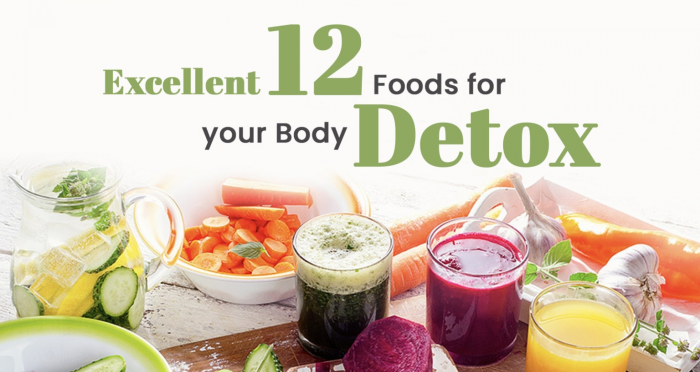
Best foods for a full body detox – Transform Your Health with These Powerful Foods. As Best foods for a full body detox takes center stage, this opening passage beckons readers with casual formal language style into a world crafted with good knowledge, ensuring a reading experience that is both absorbing and distinctly original.
The discussion will delve into various aspects of detoxification, from the importance of wellness programs to the impact on different body systems like skin health, bone density, muscle mass, and more.
Wellness Programs
Wellness programs play a crucial role in promoting overall health and well-being by focusing on preventive measures and lifestyle improvements. These programs aim to enhance physical, mental, and emotional health through a variety of activities and interventions.
Detoxification Programs
Detoxification programs are a specific type of wellness program that focuses on eliminating toxins from the body to improve overall health. These programs often include dietary changes, exercise routines, and alternative therapies to support the body’s natural detox processes.
- Some examples of detoxification programs include juice cleanses, fasting protocols, and herbal supplements designed to support liver function and eliminate toxins.
- Yoga and meditation classes are often incorporated into detox programs to reduce stress levels and promote mental clarity.
- Spa treatments such as saunas, massages, and body wraps can also aid in the detoxification process by supporting the body’s natural elimination pathways.
Improving Mental Clarity and Physical Well-being
Wellness programs, including detoxification programs, can significantly improve mental clarity and physical well-being by reducing inflammation, boosting energy levels, and supporting overall health.
- By eliminating toxins from the body, detox programs can help reduce brain fog, improve cognitive function, and enhance mental clarity.
- Physical well-being is also enhanced through detox programs, as the body is better able to absorb nutrients, regulate hormones, and maintain a healthy balance of gut bacteria.
- Regular participation in wellness programs can lead to increased energy levels, better sleep quality, and a stronger immune system, ultimately improving overall health and quality of life.
Herbal Remedies
Herbal remedies have been used for centuries to support the body’s natural detoxification process. These remedies are known for their ability to help eliminate toxins, improve liver function, boost digestion, and enhance overall health and well-being.
Popular Herbs for Detoxification
- Dandelion: Known for its diuretic properties, dandelion helps the body eliminate excess water and toxins through the urine.
- Milk Thistle: Helps protect the liver from toxins and promotes the regeneration of liver cells.
- Turmeric: Contains curcumin, a powerful antioxidant that helps reduce inflammation and support liver detoxification.
- Nettle: Supports kidney function and helps the body eliminate waste and toxins.
- Burdock Root: Helps purify the blood, improve digestion, and eliminate toxins from the body.
Supporting the Body’s Natural Detox Process
Herbal remedies work in synergy with the body’s natural detoxification systems, such as the liver, kidneys, and lymphatic system. They help enhance the body’s ability to eliminate toxins and waste products more efficiently, leading to improved overall health and vitality.
Skin Health
Detoxifying foods play a crucial role in promoting healthy skin by helping to eliminate toxins from the body that can contribute to skin issues.
Benefits of Detoxifying Foods for Skin Health
- Detoxifying foods are rich in antioxidants, vitamins, and minerals that help protect the skin from oxidative stress and damage.
- These foods can aid in reducing inflammation, which is often linked to skin conditions like acne, eczema, and psoriasis.
- Improved digestion and elimination of waste through detoxification can lead to clearer, more radiant skin.
Foods that Promote Skin Detoxification
- Leafy greens such as spinach, kale, and arugula are packed with chlorophyll, a natural detoxifier that can help cleanse the skin from within.
- Berries like blueberries, strawberries, and raspberries are high in antioxidants that combat free radicals and support skin health.
- Fatty fish like salmon and mackerel provide essential omega-3 fatty acids that help maintain the skin’s barrier function and hydration.
- Lemon water is a simple yet effective way to detoxify the body and promote clear, glowing skin thanks to its vitamin C content.
Bone Density
When it comes to full body detox, many people often overlook the impact it can have on bone density. However, detoxifying the body can actually play a crucial role in maintaining and improving bone health.
Foods for Bone Health
Ensuring proper bone density requires a combination of various nutrients that support bone health. Here are some foods that can help improve bone density:
- Leafy greens like kale, spinach, and collard greens are rich in calcium and vitamin K, essential for bone strength.
- Fatty fish such as salmon and sardines provide vitamin D and omega-3 fatty acids, which promote bone health.
- Dairy products like yogurt and cheese are excellent sources of calcium, crucial for maintaining strong bones.
- Almonds and other nuts offer magnesium, another important mineral for bone density.
Detox Diets and Bone Density
Detox diets can also play a role in supporting bone density by eliminating toxins that may interfere with the absorption of essential nutrients for bone health. These diets often include foods rich in vitamins and minerals necessary for maintaining strong bones, such as:
- Green vegetables like broccoli and Brussels sprouts, which provide calcium and vitamin C for bone health.
- Beans and legumes that offer protein and other nutrients crucial for bone strength.
- Seeds like chia and flaxseeds that are high in omega-3 fatty acids and minerals like phosphorus for bone health.
Muscle Mass
Maintaining muscle mass during a detox is crucial for overall health and wellness. Muscle tissue plays a vital role in metabolism, strength, and mobility, making it essential to preserve muscle mass even when focusing on detoxifying the body.
Foods to Preserve Muscle Mass
- Eggs: Rich in high-quality protein and essential amino acids, eggs are a great food for preserving muscle mass.
- Salmon: Packed with omega-3 fatty acids and protein, salmon can help support muscle health during a detox.
- Greek Yogurt: A good source of protein and probiotics, Greek yogurt can aid in maintaining muscle mass while detoxing.
- Quinoa: Provides a complete source of protein and fiber, making it a valuable addition to a detox diet for muscle preservation.
Role of Protein in Muscle Health
Protein is essential for muscle health as it provides the building blocks (amino acids) needed for muscle repair and growth. During a detox, adequate protein intake is crucial to prevent muscle breakdown and support overall muscle function. Including protein-rich foods in your detox diet can help maintain muscle mass and promote optimal health.
Dental Care
When it comes to detoxifying foods, their benefits extend beyond just improving overall health. These foods can also play a crucial role in maintaining good dental health. By incorporating detoxifying foods into your diet, you can help promote a healthy mouth and prevent various dental issues.
Benefits of Detoxifying Foods for Dental Health
Diet plays a significant role in oral health, and detoxifying foods can have a positive impact on your teeth and gums. These foods are often rich in essential nutrients that support healthy gums, strengthen teeth, and reduce the risk of cavities.
By consuming a diet rich in detoxifying foods, you can help combat harmful bacteria in the mouth and promote a clean, healthy oral environment.
Tips for Maintaining Good Oral Hygiene During a Detox
- Brush your teeth at least twice a day with fluoride toothpaste to remove plaque and food particles.
- Floss daily to clean between teeth and along the gumline, where toothbrush bristles can’t reach.
- Stay hydrated by drinking plenty of water to help flush out toxins and keep your mouth moist.
- Avoid sugary and acidic foods that can erode tooth enamel and contribute to cavities.
- Consider using a natural mouthwash or oil pulling to further cleanse the mouth and promote oral health.
Impact of Diet on Dental Care
Your diet plays a crucial role in your overall dental health. Consuming a diet high in sugary and processed foods can contribute to tooth decay, gum disease, and other oral health issues. On the other hand, a diet rich in detoxifying foods such as fruits, vegetables, nuts, and seeds can help strengthen teeth, promote healthy gums, and reduce the risk of dental problems.
By paying attention to what you eat during a detox and beyond, you can support your dental health and enjoy a beautiful smile for years to come.
Eye Health
Maintaining good eye health is crucial for overall well-being. Detoxification plays a significant role in supporting eye health by getting rid of toxins that can harm the eyes. By consuming foods rich in antioxidants and nutrients, you can protect your eyes from damage and maintain optimal vision.
Foods for Eye Health
- Carrots: Rich in beta-carotene, which is essential for good vision.
- Spinach: Contains lutein and zeaxanthin, antioxidants that protect the eyes from harmful light.
- Blueberries: Packed with anthocyanins, which help improve night vision.
- Fatty Fish: Omega-3 fatty acids found in fish like salmon can reduce the risk of macular degeneration.
Role of Antioxidants
Antioxidants such as vitamin C, vitamin E, and zinc play a crucial role in maintaining good vision. They help combat oxidative stress in the eyes, which can lead to conditions like cataracts and age-related macular degeneration. Including foods rich in antioxidants in your diet can contribute to preserving your eye health for the long term.
Mental Clarity
When it comes to mental clarity, a full body detox can play a crucial role in improving cognitive function and overall brain health. By removing toxins and promoting better nutrient absorption, detoxifying the body can enhance focus, memory, and mental resilience.
Foods to Boost Cognitive Function
Consuming certain foods known for their brain-boosting properties can significantly enhance cognitive function and mental clarity. Incorporate the following foods into your diet to support optimal brain health:
- Fatty fish like salmon, sardines, and mackerel rich in omega-3 fatty acids, essential for brain function.
- Blueberries, packed with antioxidants that have been shown to improve memory and cognitive performance.
- Broccoli, a great source of vitamin K, which is known to enhance cognitive function and improve brainpower.
- Walnuts, almonds, and other nuts rich in antioxidants, healthy fats, and vitamins that support brain health.
The Link Between Diet and Mental Resilience
It’s essential to understand that what we eat directly impacts our mental resilience and ability to cope with stress and challenges. A diet rich in whole foods, antioxidants, and essential nutrients can promote mental clarity and emotional well-being. On the other hand, a diet high in processed foods, sugar, and unhealthy fats can lead to cognitive decline and mental fog.
By choosing nutrient-dense foods and staying hydrated, you can support your brain health and enhance mental resilience.
Joint Flexibility
Detoxifying foods play a crucial role in improving joint flexibility by reducing inflammation and providing essential nutrients to support overall joint health.
Foods that Support Joint Health
- Turmeric: Known for its anti-inflammatory properties, turmeric can help reduce joint pain and stiffness.
- Fatty Fish: Omega-3 fatty acids found in fish like salmon and mackerel can help decrease inflammation in the body, including joints.
- Berries: Berries are rich in antioxidants that can help protect joints from damage caused by free radicals.
- Leafy Greens: Vegetables like spinach and kale are high in vitamins and minerals that support joint health and reduce inflammation.
The Role of Inflammation in Joint Flexibility
Inflammation is a natural response by the body to protect against harmful stimuli and promote healing. However, chronic inflammation can lead to joint pain and stiffness, affecting flexibility. By consuming detoxifying foods that help reduce inflammation, such as the ones mentioned above, you can improve joint flexibility and overall mobility.
Digestive Health
Maintaining good digestive health is crucial during a detox as it helps in the proper absorption of nutrients and elimination of toxins from the body. A healthy digestive system can also boost immunity and overall well-being.
Foods for Gut Health
- Probiotic-rich foods such as yogurt, kefir, and fermented vegetables can help maintain a healthy balance of gut bacteria.
- Fiber-rich foods like fruits, vegetables, whole grains, and legumes support digestion and regular bowel movements.
- Ginger and peppermint are known for their digestive properties and can help soothe the stomach.
- Bone broth is beneficial for gut health as it contains collagen and amino acids that support the intestinal lining.
Detox Diets and Digestion
Detox diets that include foods like leafy greens, berries, and nuts can provide essential nutrients for digestive health while eliminating processed foods and sugars that can negatively impact digestion.
Hydrating with plenty of water and herbal teas during a detox can also support digestion by aiding in the detoxification process and keeping the digestive system functioning optimally.
Detox Process
Detoxification is a natural process in the body that involves eliminating toxins and waste to maintain overall health. Supporting this process through diet can enhance the body’s ability to cleanse and rejuvenate itself.
Stages of a Full Body Detox
- Preparation Phase: This involves eliminating processed foods, sugar, caffeine, and alcohol from the diet to reduce the toxin load on the body.
- Detox Phase: During this phase, the focus is on consuming nutrient-dense foods like fruits, vegetables, whole grains, and lean proteins to support the liver, kidneys, and digestive system in eliminating toxins.
- Reintroduction Phase: After the detox phase, slowly reintroduce foods back into the diet while monitoring how your body reacts to identify any potential food sensitivities.
How the Body Naturally Detoxifies Itself
The body naturally detoxifies itself through organs like the liver, kidneys, skin, lungs, and digestive system. These organs work together to eliminate toxins through processes like sweating, urination, bowel movements, and respiration.
Benefits of Supporting the Body’s Detox Process Through Diet
- Enhanced Energy Levels: By reducing the toxin load on the body, you may experience increased energy and vitality.
- Improved Digestive Health: A healthy diet can support the digestive system in breaking down and eliminating waste more efficiently.
- Clearer Skin: Detoxifying the body can lead to clearer skin and a more radiant complexion.
- Weight Management: Supporting the body’s detox process through diet can aid in weight loss and maintenance.
Blood Pressure

When it comes to regulating blood pressure, certain foods can play a crucial role in maintaining healthy levels and supporting overall cardiovascular health. By incorporating specific foods into your diet, you can help manage your blood pressure and reduce the risk of hypertension.
Foods that Promote Healthy Blood Pressure
Here are some examples of foods that are known to promote healthy blood pressure:
- Fruits and vegetables rich in potassium, such as bananas, spinach, and sweet potatoes.
- Fatty fish high in omega-3 fatty acids, like salmon and mackerel.
- Whole grains, including brown rice, quinoa, and oats.
- Nuts and seeds, such as almonds, flaxseeds, and chia seeds.
Impact of Full Body Detox on Blood Pressure Levels
A full body detox can also have a positive impact on blood pressure levels by eliminating toxins and promoting better circulation. By cleansing the body of impurities and supporting organ function, detox programs can help reduce inflammation and improve cardiovascular health, ultimately leading to more stable blood pressure levels.
Heart Rate
Detoxification plays a crucial role in maintaining a healthy heart rate. By eliminating toxins from the body, the heart can function more efficiently, leading to a more stable heart rate. Incorporating specific foods into your diet can further support heart health during a detox.
Additionally, lifestyle changes made during a detox can impact heart rate positively.
Foods for Heart Health
- Salmon: Rich in omega-3 fatty acids, salmon can help reduce inflammation and lower the risk of heart disease.
- Leafy Greens: Spinach, kale, and other leafy greens are packed with vitamins, minerals, and antioxidants that support heart health.
- Berries: Blueberries, strawberries, and raspberries are high in antioxidants, which can help reduce oxidative stress and inflammation in the body.
- Oats: Oats contain beta-glucans, soluble fibers that can help lower cholesterol levels and improve heart health.
Lifestyle Changes and Heart Rate
- Exercise: Regular physical activity can strengthen the heart muscle, improving heart rate and overall cardiovascular health.
- Stress Management: High stress levels can negatively impact heart rate, so incorporating relaxation techniques like meditation or yoga during a detox can be beneficial.
- Hydration: Proper hydration is essential for maintaining a healthy heart rate, as dehydration can strain the heart and lead to irregularities.
- Sleep: Getting an adequate amount of quality sleep is crucial for heart health, as lack of sleep can contribute to increased heart rate and other cardiovascular issues.
Health Screenings
Regular health screenings play a crucial role in maintaining overall well-being by detecting potential health issues early on. These screenings are essential for adults to stay proactive about their health and address any concerns promptly.
Common Health Screenings Recommended for Adults
- Blood Pressure Monitoring: Regular blood pressure checks can help in identifying hypertension, a common risk factor for heart disease.
- Cholesterol Testing: Screening for cholesterol levels can determine the risk of heart disease and stroke.
- Blood Sugar Tests: Monitoring blood sugar levels is vital for detecting diabetes or pre-diabetes early.
- Colon Cancer Screening: Colorectal cancer screenings are recommended for adults over a certain age to detect any abnormalities in the colon.
- Eye Exams: Regular eye exams can help in detecting vision problems, glaucoma, or other eye conditions.
- Annual Physical Exams: Routine physical exams can help in assessing overall health and identifying any potential issues.
Vaccination Programs
Vaccination programs play a crucial role in preventing the spread of infectious diseases and protecting individuals from potentially serious health complications. By administering vaccines, individuals develop immunity to specific diseases, reducing the risk of outbreaks and safeguarding public health.
Significance of Vaccination Programs
Vaccination programs are essential for maintaining herd immunity within communities, which is particularly important for protecting vulnerable populations who may not be able to receive certain vaccines due to medical reasons. By ensuring a high vaccination rate, the spread of diseases can be effectively controlled, ultimately leading to a healthier population overall.
- Vaccination programs help prevent the resurgence of diseases that were once widespread, such as measles, polio, and diphtheria.
- They are cost-effective measures to reduce healthcare expenditures associated with treating vaccine-preventable diseases.
- Vaccinations contribute to the eradication of certain diseases, as seen with the successful global efforts to eliminate smallpox.
Importance of Staying Up-to-Date with Vaccinations
Staying up-to-date with vaccinations is crucial to ensure continued protection against diseases, as immunity from vaccines can wane over time. By following the recommended vaccination schedule, individuals can maintain their immunity levels and prevent the resurgence of vaccine-preventable diseases within their communities.
- Regularly updated vaccinations are especially important for individuals who travel internationally, as they may be exposed to diseases not commonly found in their home country.
- Adults should consult with their healthcare providers to determine which vaccines are necessary based on their age, occupation, health conditions, and travel plans.
- Keeping vaccination records up-to-date can also facilitate access to certain services and activities that require proof of immunization.
Common Vaccines Recommended for Adults
There are several vaccines recommended for adults to maintain their immunity and protect against various infectious diseases. Some common vaccines include:
- Seasonal Influenza Vaccine:Recommended annually to protect against the flu virus.
- Tdap Vaccine:Protects against tetanus, diphtheria, and pertussis (whooping cough).
- HPV Vaccine:Prevents certain types of human papillomavirus infections that can lead to cervical cancer.
- MMR Vaccine:Protects against measles, mumps, and rubella.
- Pneumococcal Vaccine:Recommended for adults over 65 years old and individuals with certain medical conditions to prevent pneumonia.
Healthy Habits
Maintaining healthy habits is crucial for a full body detox and overall well-being. These habits not only help in the detox process but also have long-term benefits for your health. Establishing and sustaining these routines is key to a healthy lifestyle.
Eating a Balanced Diet
One of the most important healthy habits is to eat a balanced diet rich in fruits, vegetables, whole grains, and lean proteins. Avoiding processed foods and excessive sugar and salt intake can help support your body’s detoxification process.
Staying Hydrated
Drinking an adequate amount of water throughout the day is essential for flushing out toxins from your body. It also helps in maintaining overall health and promoting proper organ function.
Regular Exercise
Incorporating regular physical activity into your routine not only helps in detoxifying the body through sweat but also improves circulation and overall health. Aim for at least 30 minutes of exercise most days of the week.
Getting Sufficient Sleep
Adequate sleep is vital for the body to repair and rejuvenate itself. Aim for 7-8 hours of quality sleep each night to support your body’s detox processes and overall health.
Stress Management
Chronic stress can have a negative impact on your health and hinder the detox process. Practice stress-reducing activities like yoga, meditation, or deep breathing exercises to promote relaxation and overall well-being.
Balanced Hormones
When it comes to hormonal health, maintaining a balance is crucial for overall well-being. A full body detox can play a significant role in helping to balance hormones naturally.
Benefits of a Full Body Detox for Hormonal Health
A full body detox can assist in removing toxins from the body that may disrupt hormonal balance. By eliminating these harmful substances, the body can function more efficiently, leading to improved hormone regulation.
Foods for Hormonal Health
- Leafy greens like spinach and kale are rich in nutrients that support hormonal balance.
- Fatty fish such as salmon and mackerel provide essential omega-3 fatty acids that are beneficial for hormone production.
- Avocados are a great source of healthy fats that can aid in hormone synthesis.
- Berries like blueberries and strawberries are packed with antioxidants that help reduce inflammation and support hormonal health.
- Legumes such as lentils and chickpeas contain plant-based proteins that are important for hormone function.
Impact of Diet on Hormone Regulation
Your diet plays a crucial role in hormone regulation. Consuming a balanced diet rich in whole foods, fruits, vegetables, and lean proteins can help support healthy hormone levels. Avoiding processed foods, sugary drinks, and excessive caffeine can also contribute to hormonal balance.
Health Coaching: Best Foods For A Full Body Detox
Health coaching plays a crucial role in supporting a full body detox by providing personalized guidance, motivation, and accountability throughout the process. A health coach can help individuals set realistic goals, create a tailored detox plan, and address any challenges or setbacks that may arise.
Benefits of Working with a Health Coach During a Detox
- Personalized Support: A health coach can offer individualized guidance based on your specific needs and goals, ensuring a more effective detox experience.
- Accountability: Having a health coach to check in with regularly can help you stay on track and motivated to complete the detox program.
- Educational Resources: Health coaches can provide valuable information on healthy eating, lifestyle changes, and detox techniques to empower you to make lasting changes.
- Motivation and Encouragement: A health coach can offer encouragement and support during challenging times, helping you stay focused and committed to your detox journey.
Tips on Finding a Qualified Health Coach
- Look for Certification: Ensure that the health coach you choose is certified by a reputable organization, such as the International Coach Federation (ICF) or the National Board for Health & Wellness Coaching (NBHWC).
- Experience and Specialization: Consider a health coach with experience in detox programs or a specialization in holistic health and wellness to ensure they have the expertise needed to support you effectively.
- Personal Connection: Choose a health coach with whom you feel comfortable and have a good rapport, as a strong relationship is key to a successful coaching experience.
- References and Reviews: Seek recommendations from trusted sources or read reviews from past clients to ensure the health coach has a track record of helping others achieve their health goals.
Fitness Goals
When it comes to achieving fitness goals, incorporating detoxifying foods into your diet can play a significant role in supporting your overall health and wellness. These foods can help cleanse your body of toxins, improve digestion, boost energy levels, and promote weight loss, all of which are essential for reaching your fitness objectives.
During a detox, it is crucial to maintain an active lifestyle and include regular exercise in your routine. Physical activity not only helps to speed up the detox process by stimulating circulation and sweating but also aids in burning fat and building muscle, contributing to your fitness goals.
Workouts to Complement a Detox Program
- Cardiovascular exercises such as running, cycling, or swimming can help increase your heart rate and improve circulation, facilitating the elimination of toxins from your body.
- Strength training with weights or resistance bands can build muscle mass, boost metabolism, and enhance overall strength and endurance.
- Yoga and Pilates are excellent options for promoting flexibility, balance, and relaxation, which are essential components of a holistic fitness routine.
- High-intensity interval training (HIIT) workouts are effective for burning calories, increasing metabolism, and improving cardiovascular fitness, all of which are beneficial during a detox.
Diet Planning
When it comes to detoxing your body, diet planning plays a crucial role in ensuring success. A well-thought-out detox-friendly diet can help eliminate toxins, boost energy levels, and promote overall health and well-being.
Process of Planning a Detox-Friendly Diet
- Start by eliminating processed foods, sugar, caffeine, and alcohol from your diet.
- Focus on consuming whole, nutrient-dense foods such as fruits, vegetables, lean proteins, and whole grains.
- Drink plenty of water and herbal teas to stay hydrated and aid in flushing out toxins.
- Incorporate detoxifying foods like leafy greens, cruciferous vegetables, and antioxidant-rich berries into your meals.
Tips for Creating a Balanced and Nutritious Detox Meal Plan
- Plan your meals in advance to ensure you have healthy options readily available.
- Include a variety of colors in your meals to ensure you are getting a wide range of nutrients.
- Focus on incorporating lean proteins, healthy fats, and complex carbohydrates into each meal for balanced nutrition.
- Avoid processed foods and opt for whole, natural ingredients whenever possible.
Importance of Meal Prepping During a Detox
- Meal prepping can help you stay on track with your detox goals by having healthy meals and snacks readily available.
- Prepping meals in advance can save time and make it easier to stick to your detox plan, especially on busy days.
- By prepping meals, you can ensure that you are consuming nutritious foods that support your body’s detoxification process.
Health Supplements
Supplements play a crucial role in enhancing the detox process by providing essential nutrients that may be lacking in our regular diet. They can help support the body’s natural detoxification pathways and promote overall health and well-being.
Common Health Supplements for Detox Programs
- Milk Thistle: Known for its liver-protecting properties, milk thistle can aid in detoxifying the liver and promoting optimal liver function.
- Probiotics: These beneficial bacteria help maintain a healthy gut flora, which is essential for proper digestion and elimination of toxins.
- Omega-3 Fatty Acids: Found in fish oil supplements, omega-3s can reduce inflammation and support cardiovascular health during a detox program.
- Vitamin C: A powerful antioxidant, vitamin C can help neutralize free radicals and boost the immune system while detoxifying the body.
Tips for Choosing Quality Supplements
- Look for supplements from reputable brands that undergo third-party testing for quality and purity.
- Check the ingredients list to ensure there are no fillers, additives, or artificial colors in the supplement.
- Consider consulting with a healthcare provider or nutritionist to determine the right supplements for your individual needs and health goals.
Breathing Techniques
Breathing techniques play a vital role in supporting the detox process and enhancing overall well-being. By incorporating specific breathing exercises, you can promote relaxation, detoxification, and mindfulness, leading to a more balanced and rejuvenated body.
Importance of Breathing Techniques
- Deep breathing exercises help eliminate toxins from the body by improving oxygen flow and circulation.
- Proper breathing techniques reduce stress levels, which can contribute to better digestion and overall health.
- Mindful breathing enhances mental clarity and focus, supporting a holistic approach to detoxification.
Breathing Exercises for Detoxification
- Diaphragmatic Breathing: Inhale deeply through your nose, expanding your diaphragm, hold for a few seconds, and exhale slowly through your mouth.
- Alternate Nostril Breathing: Close one nostril with your thumb, inhale through the other nostril, switch sides, and exhale through the alternate nostril.
- Box Breathing: Inhale for a count of four, hold for four, exhale for four, and hold for four, creating a square pattern.
Mindful Breathing for Well-Being
- Practice deep breathing exercises regularly to reduce stress, anxiety, and promote relaxation throughout the day.
- Focus on your breath during meditation or yoga sessions to enhance mindfulness and connect with your body’s detoxification process.
- Combine breathing techniques with other wellness practices to create a comprehensive approach to supporting your overall health and detox goals.
Disease Prevention
When it comes to disease prevention, a full body detox plays a crucial role in helping the body eliminate toxins and harmful substances that can contribute to various health issues. By incorporating detoxifying foods into your diet, you can support your body’s natural detoxification processes and reduce the risk of developing chronic diseases.
Role of Detoxifying Foods in Strengthening the Immune System
Detoxifying foods such as leafy greens, berries, garlic, and turmeric are rich in antioxidants and nutrients that can help boost the immune system. These foods help neutralize free radicals and reduce inflammation, which are key factors in preventing diseases such as cancer, heart disease, and autoimmune disorders.
Tips for Maintaining a Healthy Lifestyle to Prevent Diseases
- Aim to eat a balanced diet rich in fruits, vegetables, whole grains, and lean proteins to provide essential nutrients for overall health and disease prevention.
- Stay hydrated by drinking an adequate amount of water daily to support detoxification processes and ensure proper functioning of bodily systems.
- Engage in regular physical activity to strengthen your immune system, improve cardiovascular health, and maintain a healthy weight.
- Get enough quality sleep to allow your body to repair and regenerate, promoting optimal immune function and overall well-being.
- Avoid smoking, limit alcohol consumption, and manage stress levels to reduce the risk of developing chronic conditions such as heart disease, respiratory disorders, and mental health issues.
Pain Management
Detoxifying foods play a crucial role in managing pain by reducing inflammation and promoting overall healing within the body. When toxins are eliminated through a detox process, the body can function more efficiently, leading to a decrease in pain levels.
Impact of Inflammation on Pain Levels
Inflammation is a natural response by the body to protect itself from harmful stimuli and initiate the healing process. However, chronic inflammation can lead to increased pain sensitivity and discomfort. By consuming foods rich in antioxidants and anti-inflammatory properties during a detox, such as berries, leafy greens, and turmeric, individuals can help reduce inflammation and manage pain more effectively.
Natural Remedies for Pain Relief during a Detox
- Incorporating ginger and garlic into meals can help alleviate pain symptoms due to their anti-inflammatory properties.
- Drinking turmeric tea or adding turmeric to dishes can aid in reducing inflammation and easing pain.
- Consuming omega-3 fatty acids found in foods like salmon and chia seeds can help reduce joint pain and inflammation.
- Including cherries or cherry juice in the diet can help reduce muscle soreness and discomfort.
Holistic Treatments
Holistic treatments play a vital role in enhancing the effectiveness of a full body detox program. These treatments focus on the interconnectedness of the mind, body, and spirit, aiming to promote overall health and well-being. By incorporating holistic therapies into a detox regimen, individuals can address not only physical toxins but also emotional and mental stressors, leading to a more comprehensive and balanced approach to detoxification.
Benefits of Holistic Treatments
- Supports the body’s natural healing process
- Promotes relaxation and stress reduction
- Enhances mental clarity and emotional well-being
- Boosts energy levels and vitality
- Strengthens the immune system
Role of Alternative Therapies
- Acupuncture: Stimulates energy flow and promotes detoxification
- Massage Therapy: Improves circulation and aids in toxin elimination
- Yoga and Meditation: Reduces stress, enhances mindfulness, and promotes detox
- Herbal Medicine: Supports liver function and aids in cleansing the body
- Chiropractic Care: Aligns the body for optimal function and detoxification
Mental Resilience
When undergoing a full body detox, mental resilience plays a crucial role in supporting overall well-being. The process of detoxification can sometimes be challenging, both physically and mentally, making it essential to focus on building mental strength and resilience.
Connection between Full Body Detox and Mental Resilience, Best foods for a full body detox
A full body detox not only helps to eliminate toxins from the body but also has a direct impact on mental health. By removing harmful substances and promoting overall wellness, a detox can help reduce inflammation, improve mood, and enhance cognitive function.
This, in turn, contributes to a greater sense of mental clarity and emotional stability, key components of mental resilience.
Strategies for Building Mental Resilience During a Detox
- Practice mindfulness and meditation to enhance self-awareness and reduce stress levels.
- Engage in regular physical activity to boost endorphins and improve mood.
- Prioritize adequate sleep to support brain function and emotional regulation.
- Cultivate a strong support system of friends, family, or a therapist to lean on during challenging times.
- Set realistic goals and celebrate small victories to build confidence and resilience.
Importance of Self-Care Practices for Mental Well-being
Self-care practices are essential for maintaining mental well-being during a detox and beyond. Taking time for activities that bring joy, relaxation, and comfort can help reduce feelings of overwhelm and burnout. Whether it’s enjoying a soothing bath, going for a nature walk, or simply practicing deep breathing exercises, self-care nurtures the mind and fosters resilience in the face of adversity.
Final Conclusion
In conclusion, the journey through the best foods for a full body detox unveils a holistic approach to health and well-being. By incorporating these foods into your diet, you can support your body’s natural detox process and achieve optimal health.
Question Bank
Can I do a full body detox with just food?
While food plays a crucial role in detoxification, it is recommended to consult a healthcare provider or nutritionist for a comprehensive detox plan.
Are there specific foods that can help with mental clarity during a detox?
Yes, foods rich in omega-3 fatty acids, antioxidants, and vitamins like blueberries, fatty fish, and nuts can support mental clarity.
How long should a full body detox typically last?
The duration of a detox can vary depending on individual goals and health conditions, but it is generally recommended to be around 7-10 days.
Can detoxifying foods improve joint flexibility?
Yes, certain foods with anti-inflammatory properties can help reduce joint inflammation and improve flexibility.
Is it necessary to take supplements during a full body detox?
Supplements can enhance the detox process, but it’s important to choose them wisely and consult a healthcare professional before adding them to your regimen.


