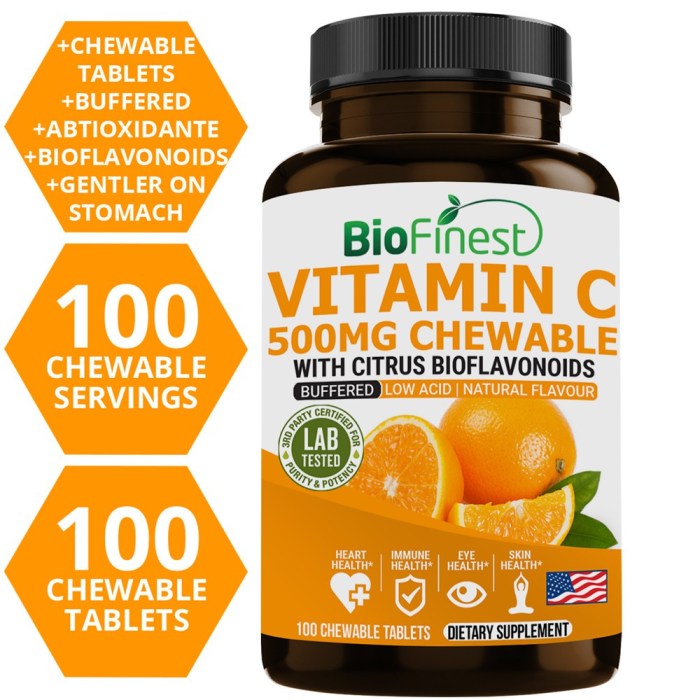
Antioxidant supplements for anti-aging take the spotlight in this comprehensive guide, offering insights and tips that are sure to captivate readers with their relevance and practicality.
Delve into the world of antioxidants and their impact on aging, from skincare to mental clarity, as we explore the plethora of benefits these supplements offer.
Antioxidant Supplements for Anti-Aging
Antioxidants play a crucial role in combating aging by neutralizing free radicals in the body, which are unstable molecules that can cause cellular damage and accelerate the aging process.
Popular Antioxidant Supplements
- Vitamin C: Known for its powerful antioxidant properties, Vitamin C helps boost collagen production, reduce fine lines and wrinkles, and brighten the skin.
- Vitamin E: This antioxidant helps protect the skin from UV damage, promotes skin healing, and maintains skin elasticity.
- Resveratrol: Found in red wine, grapes, and berries, resveratrol has anti-aging benefits by protecting against oxidative stress and inflammation.
Benefits of Antioxidant Supplements
Antioxidant supplements not only promote youthful skin but also contribute to overall health by reducing inflammation, boosting the immune system, and improving heart health. They can help slow down the aging process and enhance the body’s natural defenses against environmental stressors.
Wellness Programs
Wellness programs are comprehensive initiatives designed to promote overall well-being and health through a variety of strategies and interventions. These programs typically focus on preventive measures, lifestyle modifications, and education to improve physical, mental, and emotional health.
Components of a Comprehensive Wellness Program
A comprehensive wellness program may include:
- Health assessments and screenings to identify risk factors
- Physical activity and exercise recommendations
- Nutritional guidance and meal planning
- Stress management techniques
- Mental health support and counseling services
- Employee engagement activities and social support
How Wellness Programs Incorporate Antioxidant Supplements for Anti-Aging Benefits
Wellness programs can integrate antioxidant supplements as part of their nutritional guidance and health promotion efforts. Antioxidants play a crucial role in combating oxidative stress, which is a major contributor to aging and age-related diseases. By including antioxidant-rich foods and supplements in their recommendations, wellness programs can help individuals protect their cells from damage and slow down the aging process.
Impact of Wellness Programs on Overall Health and Longevity
Wellness programs have a significant impact on overall health and longevity by promoting healthy behaviors, reducing the risk of chronic diseases, and enhancing quality of life. By addressing multiple aspects of well-being, such as physical fitness, nutrition, stress management, and mental health, these programs can improve longevity and enhance the overall quality of life for participants.
Herbal Remedies
When it comes to anti-aging, herbal remedies have gained popularity for their natural antioxidant properties. These remedies are derived from plants and have been used for centuries in traditional medicine.
Compared to traditional antioxidant supplements, herbal remedies offer a more holistic approach to anti-aging. They provide a wide range of nutrients, vitamins, and minerals that work synergistically to combat oxidative stress and promote overall health.
Examples of Herbs with Anti-Aging Properties
- Ginseng: Known for its adaptogenic properties, ginseng helps the body adapt to stress and boosts energy levels. It also contains powerful antioxidants that protect the skin from damage caused by free radicals.
- Turmeric: Curcumin, the active compound in turmeric, has potent anti-inflammatory and antioxidant effects. It helps reduce signs of aging by fighting inflammation and oxidative stress.
- Ashwagandha: This adaptogenic herb helps improve the body’s response to stress and supports overall well-being. It also has antioxidant properties that help protect against premature aging.
- Ginkgo Biloba: Known for its cognitive benefits, ginkgo biloba also has antioxidant properties that help improve blood circulation and protect against age-related cognitive decline.
Skin Health
Antioxidant supplements play a crucial role in improving skin health and reducing signs of aging. They help combat oxidative stress and free radicals that can damage skin cells, leading to premature aging.
Importance of Antioxidants for Youthful Skin
- Antioxidants help neutralize free radicals, preventing them from causing damage to skin cells and collagen. This, in turn, helps maintain skin elasticity and firmness, reducing the appearance of fine lines and wrinkles.
- They also help in reducing inflammation and redness, promoting a more even skin tone and a youthful glow.
- Antioxidants like Vitamin C and E can help repair sun damage and protect the skin from harmful UV rays, which are major contributors to skin aging.
Incorporating Antioxidants into Skincare Routines, Antioxidant supplements for anti-aging
- Include antioxidant-rich foods in your diet such as berries, dark leafy greens, nuts, and seeds to boost your skin’s defense against aging.
- Use skincare products containing antioxidants like Vitamin C serums, green tea extracts, and resveratrol to protect and repair the skin.
- Consider taking antioxidant supplements like Coenzyme Q10, Alpha-lipoic acid, or Glutathione to enhance the effects of antioxidants on your skin from within.
Bone Density
Antioxidants play a crucial role in maintaining bone density as we age. As we grow older, our body’s ability to repair and build new bone tissue diminishes, leading to a decrease in bone density. This can result in conditions such as osteoporosis, making bones more fragile and prone to fractures.
Antioxidant Supplements and Bone Health
Antioxidant supplements can support bone health by neutralizing free radicals that can damage bone cells and inhibit the formation of new bone tissue. By reducing oxidative stress in the body, antioxidants help maintain the balance between bone formation and bone resorption, promoting overall bone health.
- Antioxidants like vitamin C, vitamin E, and selenium can help reduce inflammation in the bones, which is essential for preventing bone loss.
- Studies have shown that antioxidants can stimulate osteoblasts, the cells responsible for bone formation, and inhibit osteoclasts, the cells that break down bone tissue.
- Regular intake of antioxidant-rich foods or supplements can help prevent age-related bone loss and maintain bone density over time.
Muscle Mass
Antioxidants play a crucial role in maintaining muscle mass, especially in older adults who may be more susceptible to muscle loss due to aging and other factors. Oxidative stress, caused by an imbalance between free radicals and antioxidants in the body, can lead to muscle damage and loss over time.
Antioxidants help neutralize these harmful free radicals, reducing oxidative stress and protecting muscle health.
Impact of Oxidative Stress on Muscle Health
Oxidative stress can accelerate muscle aging and contribute to conditions like sarcopenia, the loss of muscle mass and strength. This can result in decreased mobility, increased risk of falls, and overall decline in quality of life for older adults. Antioxidants, by combating oxidative stress, can help preserve muscle mass and function, promoting better physical performance and overall well-being.
Strategies for Preserving Muscle Mass
- Include antioxidant-rich foods in your diet, such as berries, nuts, leafy greens, and colorful fruits and vegetables. These foods provide a variety of antioxidants like vitamin C, vitamin E, and beta-carotene.
- Consider taking antioxidant supplements, such as vitamin C, vitamin E, or coenzyme Q10, to further support your body’s defense against oxidative stress and maintain muscle health.
- Engage in regular physical exercise, including strength training and resistance exercises, to help build and maintain muscle mass. Exercise can also enhance the antioxidant defense system in your body.
- Stay hydrated and get enough rest to support muscle recovery and repair processes, allowing your muscles to stay strong and healthy.
Dental Care
Antioxidants play a crucial role in maintaining oral health and preventing age-related dental issues. They can help support gum health and overall dental well-being, making them essential for a comprehensive anti-aging strategy.
Importance of Antioxidants in Dental Care
- Antioxidants help combat free radicals in the mouth, which can contribute to gum disease and other oral health issues.
- They can reduce inflammation in the gums and promote healing, supporting overall gum health.
- Antioxidants like Vitamin C and Vitamin E can help strengthen the immune system in the mouth, protecting against infections.
Incorporating Antioxidants into Oral Care Routines
- Include antioxidant-rich foods in your diet, such as berries, nuts, and leafy greens, to support oral health.
- Choose toothpaste and mouthwash products that contain antioxidants like green tea extract or Coenzyme Q10.
- Consider taking antioxidant supplements specifically formulated for oral health to ensure you’re getting enough of these important nutrients.
Eye Health
Antioxidants play a crucial role in maintaining good eye health, particularly in preventing age-related vision problems. These powerful compounds help protect the eyes from oxidative stress and damage caused by free radicals, which can contribute to conditions such as cataracts, macular degeneration, and other eye diseases.
Benefits of Antioxidant-Rich Foods and Supplements
Consuming antioxidant-rich foods and supplements can provide numerous benefits for maintaining good eyesight. Some of these benefits include:
- Reducing the risk of age-related macular degeneration
- Protecting the eyes from UV damage
- Improving overall eye health and function
- Supporting the health of the retina
Tips for Protecting Eye Health through Antioxidant Intake
Here are some tips to help you protect your eye health through antioxidant intake:
- Include plenty of antioxidant-rich foods in your diet, such as berries, leafy greens, nuts, and seeds.
- Consider taking antioxidant supplements specifically formulated for eye health, such as those containing vitamins C, E, and beta-carotene.
- Avoid smoking and limit your exposure to harmful UV rays to prevent oxidative damage to the eyes.
- Get regular eye check-ups to monitor the health of your eyes and catch any potential issues early.
Mental Clarity
Antioxidants play a crucial role in supporting cognitive function and promoting mental clarity as we age. The brain is highly susceptible to oxidative stress, which can lead to cognitive decline and various neurological disorders. By incorporating antioxidants into our diet and supplementation routine, we can help protect our brain health and maintain mental sharpness.
Impact of Oxidative Stress on Brain Health
Oxidative stress in the brain occurs when there is an imbalance between free radicals and antioxidants, leading to damage to cells and tissues. This damage can affect neurotransmitter function, neuronal communication, and overall cognitive processes. Antioxidants help neutralize free radicals and reduce oxidative damage, thus protecting the brain from age-related decline.
- Free radicals: Unstable molecules that can cause damage to cells and DNA.
- Neurotransmitter function: Chemical messengers that allow communication between neurons in the brain.
- Neuronal communication: Transmission of signals between brain cells for various cognitive functions.
Strategies for Enhancing Mental Clarity
Incorporating antioxidant-rich foods such as berries, nuts, leafy greens, and colorful fruits into your diet can provide a natural source of antioxidants to support brain health. Additionally, antioxidant supplements like vitamin E, vitamin C, and selenium can further enhance cognitive function and promote mental clarity.
Remember, a healthy diet rich in antioxidants combined with regular exercise and adequate sleep can help maintain mental clarity and cognitive function as you age.
Joint Flexibility
Antioxidants play a crucial role in maintaining joint flexibility as individuals age. These powerful compounds help reduce inflammation in the joints, which can lead to improved mobility and overall joint health. By incorporating antioxidant supplements into your daily routine, you can support your joints and reduce the risk of stiffness and discomfort.
Benefits of Antioxidant Supplements for Joint Health
- Antioxidants help reduce inflammation in the joints, which can alleviate pain and discomfort.
- They protect cartilage from damage, preserving joint function and flexibility.
- Antioxidants promote overall joint health by neutralizing harmful free radicals that can contribute to joint degeneration.
Tips for Maintaining Joint Health with Antioxidant-Rich Foods
- Incorporate fruits such as berries, oranges, and cherries into your diet, as they are rich in antioxidants like vitamin C.
- Eat vegetables like spinach, kale, and broccoli, which contain antioxidants such as vitamin E and beta-carotene.
- Include nuts and seeds like almonds, walnuts, and flaxseeds, which are high in antioxidants and healthy fats that support joint health.
Digestive Health
Antioxidants are essential in maintaining digestive health as they help in neutralizing harmful free radicals that can damage the gastrointestinal system and lead to age-related issues. By reducing oxidative stress, antioxidants can play a significant role in preventing conditions such as indigestion, bloating, and inflammation.
Benefits of Antioxidant-Rich Foods for Gut Health
Eating a diet rich in antioxidants can promote gut health by reducing inflammation, supporting the growth of beneficial gut bacteria, and improving overall digestive function. Some antioxidant-rich foods that are beneficial for gut health include berries, nuts, seeds, green leafy vegetables, and fatty fish.
Strategies for Improving Digestion through Antioxidant Supplementation and Dietary Changes
- Include a variety of colorful fruits and vegetables in your diet to ensure a wide range of antioxidants.
- Consider taking antioxidant supplements such as vitamin C, vitamin E, and coenzyme Q10 to boost your antioxidant intake.
- Stay hydrated and consume plenty of fiber-rich foods to support healthy digestion.
- Avoid processed foods, sugary drinks, and excessive alcohol consumption, as they can negatively impact gut health.
- Practice mindful eating habits, chew your food thoroughly, and eat at regular intervals to aid digestion.
Detox Process
Antioxidants play a crucial role in supporting the body’s natural detoxification processes. By neutralizing harmful free radicals and aiding in the elimination of toxins, antioxidants help to cleanse the body and promote overall wellness.
Role of Antioxidants in Detoxification
- Antioxidants help to protect cells from damage caused by toxins and free radicals.
- They support the liver in breaking down and metabolizing harmful substances.
- Antioxidants aid in promoting the excretion of toxins through urine, sweat, and feces.
Enhancing Detoxification with Antioxidants
- Include antioxidant-rich foods in your diet such as berries, leafy greens, and nuts.
- Consider taking antioxidant supplements like vitamin C, vitamin E, and glutathione.
- Stay hydrated to help flush out toxins from the body.
- Engage in regular exercise to support the body’s natural detox processes.
Blood Pressure
Antioxidants play a crucial role in regulating blood pressure and promoting cardiovascular health. These powerful compounds help protect the heart and blood vessels from damage caused by free radicals, reducing the risk of age-related heart issues.
Impact of Antioxidants on Blood Pressure Regulation
Antioxidants help lower blood pressure by reducing inflammation and oxidative stress in the body. They promote the dilation of blood vessels, improving blood flow and lowering the resistance against which the heart pumps. This, in turn, helps maintain healthy blood pressure levels and reduces the risk of hypertension.
Benefits of Antioxidant Supplements for Blood Pressure
- Antioxidant supplements such as vitamin C, vitamin E, and coenzyme Q10 have been shown to help lower blood pressure levels.
- These supplements can also improve endothelial function, which is essential for regulating blood pressure and preventing cardiovascular disease.
- Regular intake of antioxidant-rich foods like berries, leafy greens, and nuts can also contribute to maintaining healthy blood pressure levels.
Tips for Maintaining Healthy Blood Pressure Levels
- Aim to include a variety of antioxidant-rich foods in your diet, such as fruits, vegetables, nuts, and seeds.
- Limit your intake of processed foods, sugary beverages, and foods high in saturated fats, as these can contribute to high blood pressure.
- Engage in regular physical activity to promote heart health and improve blood circulation.
- Manage stress through relaxation techniques like meditation, yoga, or deep breathing exercises, as stress can elevate blood pressure levels.
- Consult with a healthcare professional before starting any new supplement regimen to ensure it is safe and appropriate for your individual health needs.
Heart Rate
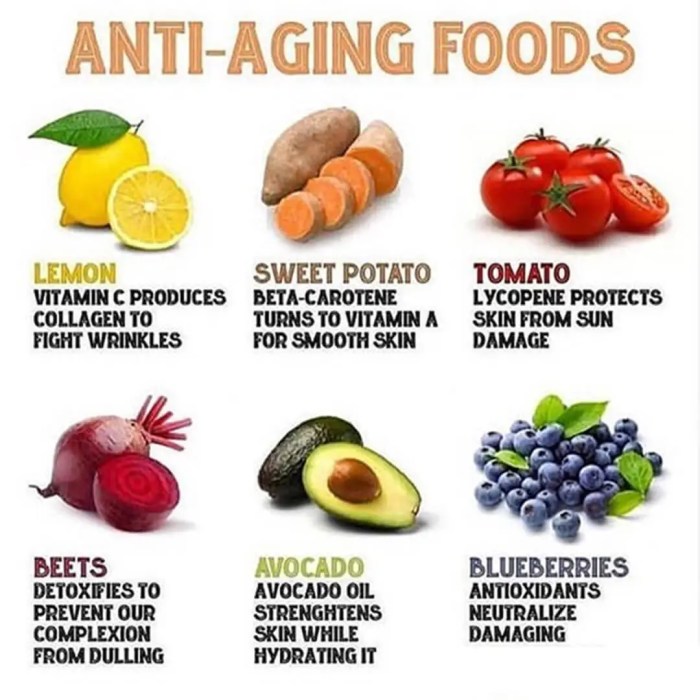
Antioxidants play a crucial role in promoting cardiovascular wellness by supporting heart health and reducing the risk of heart disease. One key aspect of heart health that antioxidants can positively impact is heart rate variability.
Relationship between Antioxidants and Heart Rate Variability
Antioxidants are known for their ability to reduce oxidative stress and inflammation in the body, which can contribute to improved heart rate variability. Heart rate variability refers to the variation in time intervals between heartbeats, and higher variability is associated with better cardiovascular health.
- Antioxidants such as vitamins C and E, beta-carotene, and selenium help protect the heart from oxidative damage and inflammation, which can improve heart rate variability.
- Studies have shown that individuals with higher levels of antioxidants in their diet have better heart rate variability, indicating a lower risk of cardiovascular issues.
- Regular consumption of antioxidant-rich foods like berries, dark leafy greens, nuts, and seeds can help support heart health and improve heart rate variability.
Health Screenings
Regular health screenings play a crucial role in monitoring the effects of antioxidants on overall health. These screenings help in tracking improvements in health due to antioxidant supplementation and provide valuable insights into incorporating antioxidant supplements into a health screening routine.
Importance of Regular Health Screenings
Regular health screenings are essential for detecting any potential health issues early on, allowing for timely intervention and treatment. By undergoing health screenings, individuals can track changes in their health over time and assess the impact of antioxidant supplements on their overall well-being.
- Health screenings can help identify any underlying health conditions that may be affecting the body, such as high blood pressure, cholesterol levels, or blood sugar levels.
- Monitoring health through screenings can provide a baseline for comparison to measure the effectiveness of antioxidant supplements in improving health outcomes.
- Early detection of any health concerns can lead to prompt medical attention and lifestyle modifications, potentially preventing more serious health conditions in the future.
Tracking Improvements in Health
Health screenings serve as a vital tool in tracking improvements in health attributed to the consumption of antioxidant supplements. By regularly monitoring key health indicators, individuals can assess the impact of antioxidants on various aspects of their well-being.
- Screenings can help measure changes in factors such as blood pressure, cholesterol levels, and blood sugar, which are influenced by the consumption of antioxidant-rich foods or supplements.
- Improvements in skin health, cognitive function, and overall vitality can be observed and quantified through health screenings, providing tangible evidence of the benefits of antioxidants.
- Tracking changes in muscle mass, bone density, and joint flexibility can also indicate the positive effects of antioxidant supplementation on physical health and mobility.
Incorporating Antioxidant Supplements into Health Screening Routine
Integrating antioxidant supplements into a regular health screening routine can enhance the comprehensive assessment of overall health and well-being. By strategically incorporating antioxidants into daily nutrition and supplement regimens, individuals can optimize the benefits observed during health screenings.
- Consulting with healthcare professionals to determine the most suitable antioxidant supplements based on individual health needs and goals can ensure targeted support for specific health concerns.
- Establishing a consistent routine for antioxidant supplementation alongside regular health screenings can create a synergistic approach to maintaining optimal health and wellness.
- Tracking changes in health parameters before and after incorporating antioxidant supplements can provide valuable data for adjusting dosage or types of antioxidants to maximize health benefits.
Vaccination Programs
Antioxidants play a crucial role in enhancing the efficacy of vaccination programs, especially in older adults. By supporting the immune system and optimizing its response to vaccinations, antioxidants can help improve overall health outcomes.
Enhancing Vaccine Efficacy
Antioxidants, such as vitamin C and vitamin E, have been shown to boost the immune system’s response to vaccines in older adults. These powerful compounds help reduce oxidative stress and inflammation, allowing the body to mount a more robust immune response to the vaccine.
- Include antioxidant-rich foods in your diet, such as berries, nuts, and leafy greens, to support your immune system before and after vaccination.
- Consider taking antioxidant supplements, under the guidance of a healthcare provider, to ensure you are meeting your body’s specific needs.
- Stay hydrated and maintain a healthy lifestyle to further enhance the benefits of antioxidants on your immune system.
Healthy Habits
Antioxidant supplements play a crucial role in promoting healthy lifestyle habits for anti-aging benefits. These supplements help combat oxidative stress in the body, which is a major contributor to aging and various health issues. By incorporating antioxidant-rich foods and supplements into your daily routine, you can boost your body’s defense against free radicals and support overall wellness.
Examples of Healthy Habits
- Regular Exercise: Engaging in physical activity not only helps improve circulation and overall health but also enhances the effects of antioxidants in the body.
- Healthy Diet: Consuming a balanced diet rich in fruits, vegetables, whole grains, and lean proteins provides essential nutrients and antioxidants for anti-aging benefits.
- Adequate Hydration: Staying hydrated helps flush out toxins from the body and supports the absorption of antioxidants for optimal effectiveness.
- Sleep Hygiene: Getting enough restorative sleep allows the body to repair and regenerate cells, enhancing the impact of antioxidant supplements on anti-aging.
- Stress Management: Practicing relaxation techniques such as meditation, yoga, or deep breathing can reduce oxidative stress and complement the benefits of antioxidants.
Balanced Hormones
As we age, hormonal imbalances can lead to a variety of health issues, including accelerated aging. Antioxidants play a crucial role in maintaining hormone balance and can help slow down the aging process.
Impact of Antioxidants on Hormone Balance
Antioxidants help neutralize free radicals in the body, which can disrupt hormone production and regulation. By reducing oxidative stress, antioxidants promote hormonal balance and support overall health.
How Antioxidant Supplements Can Help Regulate Hormone Levels
- Antioxidant supplements such as vitamin C, vitamin E, and selenium can help support the endocrine system and regulate hormone levels.
- These supplements provide the body with essential nutrients that are needed for hormone synthesis and function.
- Regular intake of antioxidant supplements can help prevent hormonal imbalances that contribute to premature aging.
Tips for Promoting Hormonal Balance Through Antioxidant-Rich Foods and Supplements
- Include a variety of colorful fruits and vegetables in your diet, as they are rich in antioxidants that can support hormone balance.
- Incorporate foods high in omega-3 fatty acids, such as salmon and flaxseeds, to reduce inflammation and support hormonal health.
- Consider adding antioxidant supplements to your daily routine, but always consult with a healthcare provider to determine the right dosage for your needs.
Health Coaching
Health coaching plays a crucial role in guiding individuals on how to effectively incorporate antioxidant supplements into their anti-aging regimen. By working closely with a health coach, individuals can receive personalized guidance and support tailored to their specific health goals and needs.
This personalized approach helps individuals navigate the complexities of selecting the right antioxidant supplements, determining the appropriate dosage, and integrating them into their daily routine.
Benefits of Personalized Health Coaching
- Customized Guidance: Health coaching provides personalized recommendations based on an individual’s unique health profile, ensuring that the antioxidant supplements chosen are aligned with their specific needs.
- Accountability and Support: Health coaches offer ongoing support and accountability, helping individuals stay motivated and committed to their anti-aging regimen involving antioxidant supplements.
- Educational Resources: Health coaches equip individuals with valuable knowledge about the benefits of antioxidants, how they work in the body, and tips for maximizing their effectiveness.
- Behavioral Change: Health coaching focuses on helping individuals make sustainable lifestyle changes that complement the use of antioxidant supplements, promoting long-term health and wellness.
Success Stories
“After working with a health coach and incorporating antioxidant supplements into my daily routine, I noticed significant improvements in my skin health and overall vitality. The personalized guidance I received made all the difference in optimizing the effects of antioxidants for anti-aging.”
“Thanks to health coaching, I was able to establish healthy habits and seamlessly integrate antioxidant supplements into my wellness routine. The positive impact on my energy levels and mental clarity has been truly remarkable.”
Fitness Goals
Antioxidants play a crucial role in supporting fitness goals, especially in older adults looking to enhance their physical performance. By combating oxidative stress and promoting recovery, antioxidants can help individuals achieve better results from their exercise routines.
Antioxidants and Exercise Performance
- A study published in the Journal of the International Society of Sports Nutrition found that antioxidants can help reduce exercise-induced oxidative stress, which can lead to fatigue and muscle damage.
- Antioxidants such as vitamin C, vitamin E, and beta-carotene have been shown to improve endurance, reduce muscle soreness, and enhance overall performance during physical activities.
- By neutralizing free radicals generated during exercise, antioxidants can speed up recovery time and reduce inflammation, allowing individuals to train more efficiently and effectively.
Tips for Integrating Antioxidants into Fitness Routines
- Include antioxidant-rich foods in your pre-workout meal or snack, such as berries, nuts, seeds, and leafy greens, to provide your body with the necessary nutrients to support your workout.
- Consider taking antioxidant supplements, such as vitamin C or green tea extract, before or after your workout to enhance recovery and reduce oxidative stress.
- Stay hydrated throughout your workout to help flush out toxins and support the antioxidant functions in your body.
- Consult with a healthcare provider or nutritionist to determine the right dosage of antioxidants based on your fitness goals and individual needs.
Diet Planning
Antioxidant-rich foods play a crucial role in meal planning for anti-aging purposes. These foods are packed with nutrients that help combat oxidative stress, reduce inflammation, and protect cells from damage, ultimately slowing down the aging process.Incorporating antioxidants into your diet planning can greatly enhance your overall health and vitality.
By including a variety of fruits, vegetables, nuts, seeds, and whole grains rich in antioxidants, you can boost your immune system, improve skin health, and support optimal organ function.
Tips for Creating Antioxidant-Packed Meal Plans
- Start your day with a smoothie or bowl of mixed berries, rich in vitamins C and E, to kickstart your antioxidant intake.
- Include a variety of colorful fruits and vegetables in every meal to ensure you’re getting a wide range of antioxidants.
- Incorporate nuts and seeds, such as almonds, walnuts, and chia seeds, into your snacks and meals for added antioxidant benefits.
- Choose whole grains like quinoa, brown rice, and oats over refined grains to increase your fiber and antioxidant intake.
- Experiment with herbs and spices like turmeric, cinnamon, and oregano to add flavor to your dishes while reaping their antioxidant properties.
- Stay hydrated with antioxidant-rich beverages like green tea, herbal teas, and infused water to support detoxification and overall health.
Health Supplements
Antioxidant supplements are just one type of health supplement that can provide anti-aging benefits. These supplements contain vitamins, minerals, and other nutrients that help protect cells from damage caused by free radicals, which contribute to aging and various diseases. When compared to other health supplements, antioxidants are particularly effective in promoting longevity by reducing oxidative stress and inflammation in the body.
Comparing Antioxidant Supplements to Other Health Supplements
Antioxidant supplements, such as vitamin C, vitamin E, and beta-carotene, are known for their powerful anti-aging properties. They work by neutralizing free radicals and preventing oxidative damage to cells. In contrast, other health supplements may target specific areas of health, such as bone density, muscle mass, or heart health.
While these supplements are beneficial in their own right, antioxidants play a crucial role in overall longevity and well-being.
- Antioxidants vs. Omega-3 Fatty Acids: While omega-3 fatty acids are essential for heart health and brain function, antioxidants provide broader protection against aging and disease by combating oxidative stress.
- Antioxidants vs. Probiotics: Probiotics support gut health and digestion, but antioxidants go a step further by protecting cells throughout the body from damage.
- Antioxidants vs. Multivitamins: Multivitamins offer a comprehensive array of nutrients, but antioxidants specifically target free radicals and inflammation, key drivers of aging.
Recommendations for Incorporating Antioxidant Supplements
To maximize the anti-aging benefits of antioxidant supplements, consider the following tips:
- Choose a variety of antioxidants: Include a mix of vitamins C and E, beta-carotene, selenium, and other antioxidants to cover a broad spectrum of free radicals.
- Consult with a healthcare provider: Get personalized recommendations on the right dosage and combination of antioxidants based on your age, health status, and dietary intake.
- Combine with a healthy diet: Antioxidant supplements work best when paired with a nutrient-rich diet full of fruits, vegetables, whole grains, and lean proteins.
- Monitor your progress: Keep track of how antioxidant supplements are impacting your skin health, energy levels, and overall well-being to determine their effectiveness.
Breathing Techniques
Breathing techniques play a crucial role in reducing oxidative stress and promoting anti-aging benefits. By incorporating specific breathing exercises into your daily routine, you can enhance the body’s antioxidant defenses and support overall well-being.
Connection between Breathing Techniques and Oxidative Stress Reduction
- Deep breathing exercises help increase oxygen flow throughout the body, which can aid in neutralizing free radicals and reducing oxidative stress.
- Practicing mindful breathing techniques can lower cortisol levels, which are known to contribute to oxidative damage and premature aging.
- By improving lung function and promoting better circulation, breathing exercises can support the body’s natural detoxification process, helping to eliminate toxins that may accelerate the aging process.
Specific Breathing Exercises for Antioxidant Defenses
- Diaphragmatic breathing, also known as belly breathing, can help engage the diaphragm and improve oxygen uptake, leading to enhanced antioxidant activity in the body.
- The 4-7-8 breathing technique, where you inhale for 4 seconds, hold for 7 seconds, and exhale for 8 seconds, can promote relaxation and reduce oxidative stress.
- Alternate nostril breathing, a yoga breathing practice, can balance the body’s energy and enhance antioxidant enzyme production, supporting anti-aging benefits.
Breathing Techniques for Relaxation and Well-Being
- Progressive muscle relaxation combined with deep breathing can help release tension in the body and promote a sense of calm, reducing oxidative stress levels.
- Breath-focused meditation, such as mindfulness breathing, can increase self-awareness, reduce anxiety, and support overall mental clarity, contributing to anti-aging efforts.
- The 4-7-8 breathing technique can be used as a quick and effective way to calm the mind, reduce stress, and enhance relaxation, all of which are essential for supporting well-being and anti-aging goals.
Disease Prevention
Antioxidants play a crucial role in preventing age-related diseases by neutralizing free radicals that can damage cells and contribute to the development of various health conditions. Excessive free radicals can lead to oxidative stress, which is linked to chronic illnesses such as heart disease, cancer, diabetes, and neurodegenerative disorders.
By consuming antioxidant-rich foods or supplements, individuals can combat oxidative stress and reduce the risk of these diseases, promoting overall longevity and well-being.
Impact of Antioxidants on Disease Prevention
- Antioxidants help protect cells from damage caused by free radicals, reducing inflammation and lowering the risk of chronic diseases.
- Regular intake of antioxidants can support a strong immune system, enhancing the body’s ability to fight off infections and illnesses.
- Studies have shown that antioxidants may help slow down the aging process and improve overall health span by promoting cellular health and function.
Strategies for Disease Prevention
- Include a variety of antioxidant-rich foods in your diet, such as berries, nuts, leafy greens, and colorful fruits and vegetables.
- Consider taking antioxidant supplements, such as vitamin C, vitamin E, and beta-carotene, to ensure adequate levels of these essential nutrients.
- Engage in regular physical activity to boost antioxidant activity in the body and reduce the risk of chronic diseases associated with sedentary lifestyle.
- Avoid smoking and limit alcohol consumption, as these habits can increase oxidative stress and undermine the benefits of antioxidants.
- Maintain a healthy weight, manage stress levels, and prioritize quality sleep to support overall health and optimize the effectiveness of antioxidant protection.
Pain Management
Antioxidants play a crucial role in alleviating age-related pain and inflammation by neutralizing free radicals that contribute to tissue damage and pain sensation. Incorporating antioxidant supplements into your daily routine can help reduce oxidative stress and inflammation, leading to improved pain management and overall well-being.
Role of Antioxidants in Managing Chronic Pain
- Antioxidants such as vitamin C, vitamin E, and beta-carotene can help reduce inflammation in the body, which is often associated with chronic pain conditions like arthritis and fibromyalgia.
- By combatting oxidative stress, antioxidants protect cells from damage and promote tissue repair, potentially easing pain symptoms and improving quality of life for individuals dealing with chronic pain.
- Including a variety of antioxidant-rich foods and supplements in your diet can provide long-term benefits for managing chronic pain and maintaining a healthy lifestyle.
Tips for Using Antioxidant Supplements for Pain Management
- Consult with a healthcare provider or nutritionist to determine the right antioxidant supplements and dosage for your specific pain management needs.
- Focus on incorporating a rainbow of fruits and vegetables in your diet to ensure a diverse intake of antioxidants that can target different sources of pain and inflammation.
- Combine antioxidant-rich foods with regular physical activity and stress-reducing practices like meditation or yoga to enhance the effectiveness of antioxidant supplements in managing pain.
- Stay consistent with your antioxidant regimen to experience long-term benefits for pain management and overall health.
Holistic Treatments
Antioxidant supplements play a crucial role in holistic treatments for anti-aging, as they work to combat oxidative stress and inflammation in the body. By integrating antioxidants into holistic approaches, individuals can experience amplified benefits on their overall health and well-being.
Incorporating Antioxidants into Holistic Treatments
When it comes to holistic treatments, antioxidants are often used in conjunction with other natural therapies to address the root causes of aging and promote longevity. Some examples of holistic treatments that incorporate antioxidant therapy include:
- Acupuncture: This traditional Chinese medicine practice can help improve circulation and stimulate the body’s natural antioxidant defenses, enhancing the effects of antioxidant supplements.
- Yoga and Meditation: These mind-body practices not only reduce stress and promote relaxation but also support cellular health and boost the immune system, working synergistically with antioxidants.
- Herbal Medicine: Certain herbs and botanicals are rich in antioxidants and can be used in holistic treatments to target specific health concerns and promote anti-aging benefits.
- Aromatherapy: Essential oils with antioxidant properties can be used in aromatherapy sessions to enhance mood, reduce inflammation, and support overall health and well-being.
- Massage Therapy: By improving circulation, reducing muscle tension, and promoting detoxification, massage therapy complements the effects of antioxidants in the body, aiding in anti-aging efforts.
Mental Resilience: Antioxidant Supplements For Anti-aging
Antioxidants play a crucial role in promoting mental resilience by protecting the brain from oxidative stress, which is linked to both stress and aging. Oxidative stress can lead to cognitive decline and emotional instability, making it essential to incorporate antioxidant-rich interventions into our daily routines.
Connection Between Antioxidants and Mental Resilience
Antioxidants help combat oxidative stress, which can damage brain cells and impair cognitive function. By neutralizing free radicals and reducing inflammation, antioxidants support the brain’s ability to adapt and respond to stressors, enhancing mental resilience in the face of challenges.
- Antioxidants such as vitamin C, vitamin E, and beta-carotene protect brain cells from damage caused by free radicals, promoting overall cognitive function and emotional well-being.
- Polyphenols found in green tea, berries, and dark chocolate have been shown to improve memory, focus, and mood by reducing oxidative stress in the brain.
- Omega-3 fatty acids, known for their anti-inflammatory properties, support brain health and emotional stability, contributing to enhanced mental resilience.
Techniques for Enhancing Mental Resilience with Antioxidant-Rich Interventions
Incorporating antioxidant-rich foods and supplements into your diet is a great way to support mental resilience and overall brain health. Additionally, practicing mindfulness, stress-reducing activities, and staying physically active can further enhance your ability to cope with stress and age-related cognitive decline.
Remember, a healthy body leads to a healthy mind. By prioritizing antioxidant-rich interventions and adopting healthy lifestyle habits, you can boost your mental resilience and thrive in the face of challenges.
Wrap-Up
With a treasure trove of information at your fingertips, the journey through the realm of antioxidant supplements for anti-aging concludes, leaving you equipped with the knowledge to enhance your well-being and vitality.
FAQ Insights
How do antioxidants combat aging?
Antioxidants fight off free radicals that contribute to aging, promoting youthful skin and overall health.
What are some popular antioxidant supplements for anti-aging?
Popular examples include Vitamin C, Vitamin E, and Coenzyme Q10, known for their anti-aging properties.
How can antioxidant supplements improve skin health?
Antioxidant supplements enhance skin health by reducing signs of aging and maintaining a youthful appearance.
Do antioxidants play a role in joint flexibility?
Absolutely, antioxidants can help reduce joint inflammation and support mobility, crucial for maintaining joint health.
Can antioxidants support mental clarity?
Yes, antioxidants promote cognitive function and mental clarity, aiding in overall brain health as we age.


