
Delving into How to prevent osteoporosis through diet and exercise, this guide provides valuable insights on maintaining bone health through lifestyle choices. Learn how simple adjustments in your diet and exercise routine can make a significant impact on preventing osteoporosis.
From the role of wellness programs to the significance of muscle mass, explore various aspects that contribute to stronger bones and overall well-being.
Wellness Programs
Wellness programs play a crucial role in promoting bone health by educating individuals on the importance of a healthy lifestyle, including proper nutrition and regular exercise.
Examples of Wellness Programs for Osteoporosis Prevention
- Bone Builders: This program focuses on strength training exercises specifically designed to improve bone density and reduce the risk of fractures.
- Healthy Bones, Healthy You: A wellness program that combines nutrition counseling with weight-bearing exercises to support overall bone health.
- Strong Women, Strong Bones: Targeted towards women, this program emphasizes the importance of calcium-rich foods and weight-bearing activities to prevent osteoporosis.
Incorporating Diet and Exercise in Wellness Programs
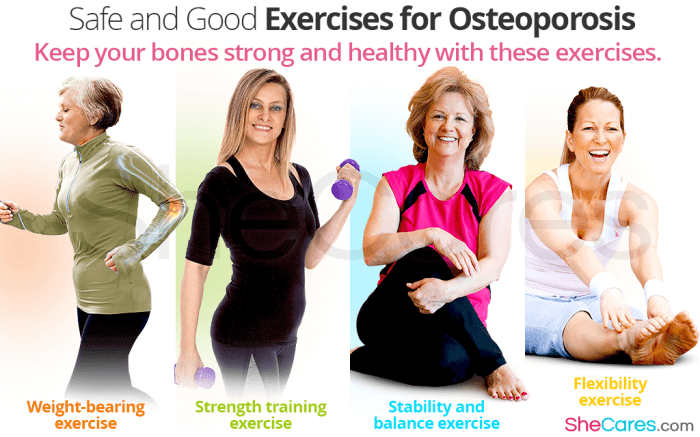
Wellness programs can incorporate both diet and exercise by providing personalized meal plans that are rich in calcium, vitamin D, and other nutrients essential for bone health. Additionally, incorporating weight-bearing exercises such as walking, jogging, or strength training can further enhance bone density and reduce the risk of osteoporosis.
Herbal Remedies
When it comes to preventing osteoporosis, herbal remedies can be a natural and effective way to support bone health. These remedies have been used for centuries and are known for their potential benefits in strengthening bones and reducing the risk of fractures.
Common Herbal Remedies for Osteoporosis
- Nettle: Nettle is rich in minerals like calcium, magnesium, and silica, which are essential for bone health. It can help improve bone density and prevent bone loss.
- Horsetail: Horsetail is a herb that contains silica, a mineral important for collagen production and bone strength. It can help enhance bone density and reduce the risk of fractures.
- Red Clover: Red clover is a source of isoflavones, compounds that may have estrogen-like effects in the body. These can help maintain bone density and reduce the risk of osteoporosis.
Scientific Evidence on Herbal Remedies for Bone Health
Several studies have shown the potential benefits of herbal remedies in supporting bone health. For example, a study published in the Journal of Ethnopharmacology found that nettle extract could improve bone mineral density in postmenopausal women.
It is important to note that while herbal remedies can be beneficial, they should not replace conventional treatments for osteoporosis. Always consult with a healthcare provider before incorporating herbal remedies into your routine, especially if you are taking medications for osteoporosis.
Potential Risks and Interactions
- Interactions with Medications: Some herbal remedies may interact with medications used to treat osteoporosis, potentially affecting their effectiveness. It is crucial to discuss any herbal supplements with your healthcare provider to avoid adverse interactions.
- Risks of Herbal Remedies: Certain herbal remedies may have side effects or risks, especially if taken in large amounts or for extended periods. Staying informed and using these remedies cautiously is essential for maintaining overall health.
Skin Health
Maintaining healthy skin is not only crucial for appearance but also plays a significant role in overall bone health. The connection between skin health and bone density lies in the production of vitamin D, which is essential for strong bones.
Importance of Healthy Skin for Bone Health
Healthy skin serves as a barrier against infections and harmful UV rays, preventing damage that could lead to inflammation and affect bone health. When the skin is in good condition, it can efficiently absorb sunlight to produce vitamin D, a key nutrient for bone density.
- Moisturize regularly to keep the skin hydrated and supple, allowing for optimal absorption of sunlight for vitamin D production.
- Protect your skin from excessive sun exposure by using sunscreen to prevent damage that could hinder vitamin D synthesis.
- Eat a well-balanced diet rich in antioxidants and essential nutrients to promote skin health and support overall bone health.
Role of Vitamin D in Skin Health and Bone Density
Vitamin D is produced in the skin when exposed to sunlight and plays a crucial role in calcium absorption, which is essential for bone strength and density. Inadequate levels of vitamin D can lead to weak bones and increased risk of osteoporosis.
Vitamin D is often referred to as the “sunshine vitamin” because exposure to sunlight triggers its production in the skin.
- Include vitamin D-rich foods in your diet, such as fatty fish, fortified dairy products, and egg yolks, to support both skin health and bone density.
- Consider taking vitamin D supplements if you have limited sun exposure or are unable to meet your daily requirements through diet alone.
- Consult with a healthcare provider to determine the appropriate level of vitamin D supplementation based on your individual needs and health status.
Bone Density: How To Prevent Osteoporosis Through Diet And Exercise
Bone density refers to the amount of mineral content present in bone tissue, indicating the strength and health of the bones. It is a crucial factor in determining the risk of osteoporosis, a condition characterized by weak and brittle bones that are more prone to fractures.
Low bone density is a significant risk factor for osteoporosis, making it essential to focus on improving and maintaining bone density to prevent this condition.
Factors Affecting Bone Density
Several factors can influence bone density, including:
- Age: Bone density typically decreases with age, especially in postmenopausal women.
- Gender: Women are at a higher risk of developing osteoporosis due to lower peak bone mass and hormonal changes.
- Diet: Inadequate intake of calcium, vitamin D, and other essential nutrients can lead to decreased bone density.
- Physical Activity: Lack of weight-bearing exercises and sedentary lifestyle can negatively impact bone density.
Measuring and Improving Bone Density
Methods to measure and enhance bone density include:
- Bone Density Tests: Dual-energy X-ray absorptiometry (DEXA) scans are commonly used to measure bone density and assess the risk of osteoporosis.
- Calcium and Vitamin D Intake: Consuming foods rich in calcium, vitamin D, and other nutrients essential for bone health can help improve bone density.
- Weight-Bearing Exercises: Engaging in activities like walking, jogging, dancing, and weightlifting can strengthen bones and increase bone density.
- Resistance Training: Incorporating resistance exercises using weights or resistance bands can also promote bone health and density.
Muscle Mass
Muscle mass plays a crucial role in preventing osteoporosis as it helps support and protect our bones. Strong muscles provide stability and reduce the risk of falls, which can lead to fractures, especially in individuals with low bone density. In addition, when muscles are regularly engaged through exercise, they stimulate bone growth and improve overall bone health.
Exercises to Increase Muscle Mass and Improve Bone Health
Strength training exercises are particularly effective in building muscle mass and enhancing bone density. Here are some exercises that can help achieve these benefits:
- Weightlifting: Incorporating weightlifting exercises into your routine can help increase muscle mass and strengthen bones. Focus on exercises that target major muscle groups such as squats, deadlifts, and bench presses.
- Bodyweight exercises: Bodyweight exercises like push-ups, pull-ups, and lunges are great for building muscle mass without the need for equipment. These exercises also help improve balance and coordination, reducing the risk of falls.
- Resistance band workouts: Using resistance bands can provide a challenging workout that targets muscles throughout the body. Resistance band exercises are versatile and can be adapted to different fitness levels.
Role of Strength Training in Muscle Mass and Bone Density, How to prevent osteoporosis through diet and exercise
Strength training plays a crucial role in maintaining muscle mass and bone density as we age. By engaging in regular strength training sessions, individuals can preserve muscle mass, prevent muscle loss, and improve bone strength. Strength training exercises create stress on the bones, prompting them to become stronger and denser over time.
Incorporating strength training into your fitness routine can help reduce the risk of osteoporosis and fractures, promoting overall bone health and well-being.
End of Discussion
By making informed decisions about your diet and exercise regimen, you can proactively reduce the risk of osteoporosis and enjoy better bone health for years to come. Remember, small changes today can lead to significant benefits in the future.
FAQ Section
Can osteoporosis be completely prevented through diet and exercise?
Osteoporosis can’t be completely prevented, but a healthy diet rich in calcium and vitamin D, along with regular weight-bearing exercises, can significantly reduce the risk.
Are there specific foods that are more beneficial for bone health?
Foods high in calcium like dairy products, leafy greens, and fortified foods are excellent for bone health. Additionally, foods rich in vitamin K, magnesium, and zinc also play a crucial role.
How often should one engage in weight-bearing exercises?
Experts recommend at least 30 minutes of weight-bearing exercises like walking, jogging, or dancing most days of the week to maintain bone density and prevent osteoporosis.


