
Acupuncture for arthritis pain relief: Natural Relief for Joint Pain offers a comprehensive look at how acupuncture can effectively manage arthritis pain, providing insights into various techniques and benefits compared to traditional methods. Dive into this informative guide to discover the transformative power of acupuncture in alleviating arthritis discomfort.
Acupuncture for Arthritis Pain Relief
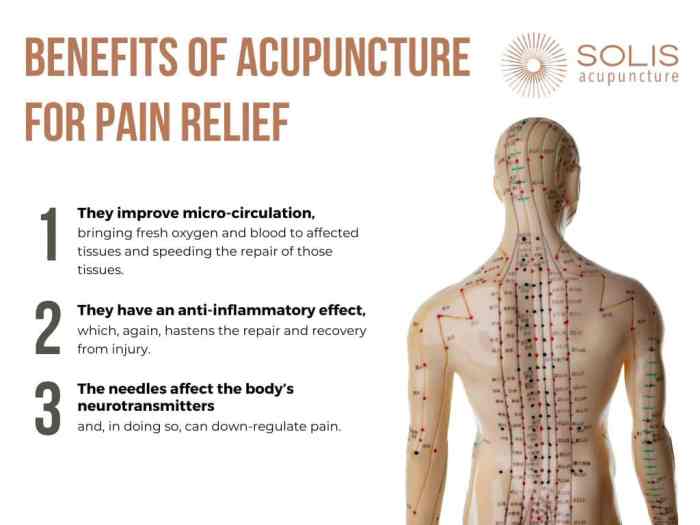
Acupuncture is a traditional Chinese medicine technique that involves inserting thin needles into specific points on the body to help relieve pain and promote healing. When it comes to managing arthritis pain, acupuncture can be a beneficial alternative or complementary therapy to traditional pain management methods.
Acupuncture Techniques for Arthritis Pain Relief
- Traditional Chinese Acupuncture: This technique involves inserting thin needles into specific points along the body’s meridians to restore the flow of energy and relieve pain associated with arthritis.
- Electroacupuncture: By using a small electric current through the needles, this technique can help stimulate the muscles and nerves, providing relief from arthritis pain.
- Auricular Acupuncture: This technique focuses on specific points on the ear that correspond to different parts of the body, including those affected by arthritis, to alleviate pain and inflammation.
Benefits of Acupuncture Compared to Traditional Pain Management Methods for Arthritis
- Non-invasive: Acupuncture does not involve the use of medications or surgery, making it a non-invasive option for managing arthritis pain.
- Minimal Side Effects: Unlike many medications, acupuncture is generally well-tolerated and has minimal side effects, making it a safer choice for some individuals.
- Holistic Approach: Acupuncture aims to address the underlying imbalances in the body that may contribute to arthritis pain, taking a holistic approach to healing.
- Long-lasting Relief: Some individuals may experience long-lasting relief from arthritis pain with regular acupuncture sessions, providing sustained benefits over time.
Wellness Programs
Wellness programs are comprehensive plans designed to promote overall health and well-being by addressing physical, mental, and emotional aspects of an individual’s health. These programs often include strategies such as exercise, nutrition, stress management, and alternative therapies to improve quality of life.
Components of a Comprehensive Wellness Program
- Physical Activity: Regular exercise and movement to improve flexibility, strength, and overall health.
- Nutrition: Healthy eating habits to provide essential nutrients and support overall well-being.
- Stress Management: Techniques such as meditation, yoga, and deep breathing to reduce stress levels.
- Alternative Therapies: Incorporating practices like acupuncture, massage therapy, and chiropractic care for holistic healing.
Incorporating Acupuncture for Arthritis Pain Relief in Wellness Programs
Acupuncture is a key component of wellness programs for arthritis pain relief due to its effectiveness in reducing inflammation, alleviating pain, and improving joint function. By including acupuncture sessions in a wellness program, individuals with arthritis can experience relief from symptoms and improve their overall quality of life.
Importance of Wellness Programs in Managing Chronic Conditions like Arthritis
- Preventative Approach: Wellness programs focus on prevention and management of chronic conditions like arthritis through lifestyle changes and holistic treatments.
- Improving Quality of Life: By addressing physical, mental, and emotional health, wellness programs help individuals with arthritis live healthier and more fulfilling lives.
- Personalized Care: Wellness programs can be tailored to meet the specific needs and goals of individuals with arthritis, providing personalized support and guidance.
Herbal Remedies
Acupuncture is often complemented by the use of herbal remedies to enhance the effectiveness of arthritis pain relief treatments. These natural remedies can play a significant role in reducing inflammation and alleviating the pain associated with arthritis.
Popular Herbal Remedies
- Turmeric: Known for its anti-inflammatory properties, turmeric can help reduce swelling and pain in arthritis patients. It contains curcumin, which is a powerful antioxidant that fights inflammation.
- Ginger: Ginger is another herb with strong anti-inflammatory properties. It can help relieve joint pain and stiffness, making it a popular choice for arthritis sufferers.
- Boswellia: Also known as Indian frankincense, Boswellia has been used for centuries to treat inflammatory conditions like arthritis. It works by inhibiting the production of inflammatory chemicals in the body.
- Devil’s Claw: This herb is commonly used to reduce pain and inflammation in arthritis patients. It can help improve mobility and reduce stiffness in affected joints.
Potential Interactions
It is important to consult with a qualified practitioner before combining herbal remedies with acupuncture treatments, as there may be potential interactions between the two. Some herbs may enhance the effects of acupuncture, while others could have conflicting effects. Additionally, certain herbal remedies may have side effects or contraindications that need to be considered when used alongside acupuncture for arthritis pain relief.
Skin Health
Acupuncture for arthritis pain relief can have a positive impact on skin health. The treatment helps reduce inflammation in the body, which can also benefit the skin by improving overall circulation and promoting healing.Arthritis is a condition characterized by inflammation in the joints, which can lead to pain and stiffness.
This inflammation can also manifest on the skin, causing conditions like psoriasis or eczema. Acupuncture can help reduce inflammation in the body, which in turn may alleviate skin issues associated with arthritis.
Maintaining Skin Health during Acupuncture Treatment for Arthritis
- Avoid harsh chemicals: Opt for gentle, natural skincare products to prevent irritation during acupuncture treatment.
- Stay hydrated: Drinking plenty of water can help keep the skin hydrated and healthy.
- Protect your skin: Use sunscreen and protective clothing to shield your skin from potential side effects of acupuncture or sun exposure.
- Communicate with your acupuncturist: Inform your practitioner about any skin sensitivities or reactions during treatment to ensure adjustments can be made.
Bone Density
Acupuncture has shown promising effects on bone density in arthritis patients. By stimulating specific points in the body, acupuncture can help improve bone health and strength, which is crucial for arthritis patients who may experience bone density issues.
Acupuncture Points for Bone Density
Acupuncture points such as ST36 (Zusanli) and GB39 (Xuanzhong) are known to target bone density issues related to arthritis. These points are believed to enhance circulation, promote Qi flow, and strengthen bones, ultimately contributing to improved bone density in arthritis patients.
Muscle Mass
Acupuncture for arthritis pain relief can have a positive impact on muscle mass in patients undergoing treatment. By targeting specific points in the body, acupuncture can help improve blood flow and stimulate the muscles, which can aid in preventing muscle loss commonly associated with arthritis.
Relationship Between Acupuncture and Muscle Mass
- Acupuncture treatments can help increase the production of endorphins, which are natural painkillers that can reduce discomfort in muscles affected by arthritis.
- Improved blood circulation from acupuncture can also deliver essential nutrients to the muscles, promoting their health and strength.
- By reducing inflammation and promoting relaxation, acupuncture can help prevent muscle tension and stiffness, allowing for better mobility and function.
Importance of Maintaining Muscle Mass
- Maintaining muscle mass is crucial for arthritis patients as it can help support and protect the joints affected by the condition.
- Stronger muscles can help improve balance and stability, reducing the risk of falls and injuries for arthritis patients.
- Preserving muscle mass through acupuncture therapy can also enhance overall physical function and quality of life for individuals living with arthritis.
Dental Care
Arthritis pain relief through acupuncture can have a significant impact on dental health. Many arthritis patients may overlook the connection between their oral health and their condition, but the benefits of acupuncture on oral health cannot be ignored. Here are some tips on managing dental care while undergoing acupuncture treatment for arthritis:
Benefits of Acupuncture on Oral Health for Arthritis Patients
- Acupuncture can help reduce inflammation in the body, which can also benefit the gums and overall oral health.
- Improved blood circulation from acupuncture can promote healthier gums and faster healing after dental procedures.
- Reduced stress and anxiety from acupuncture can lead to a decreased risk of teeth grinding and jaw clenching, which can damage the teeth and jaw joints.
- Acupuncture can enhance the immune system, helping the body fight off infections and maintain a healthy mouth.
Managing Dental Care During Acupuncture Treatment
- Inform your acupuncturist about any dental issues or procedures you have undergone recently to ensure they can tailor the treatment accordingly.
- Maintain good oral hygiene practices, including brushing and flossing regularly, to prevent any dental issues during acupuncture treatment.
- Stay hydrated and follow a balanced diet to support overall oral health and aid in the effectiveness of acupuncture treatment.
- Visit your dentist regularly for check-ups and cleanings, even while undergoing acupuncture treatment, to address any dental issues promptly.
Eye Health
Eye health is crucial for overall well-being, especially for arthritis patients undergoing acupuncture therapy. Maintaining good eye health can significantly impact the effectiveness of arthritis pain relief treatments through acupuncture.
Supporting Eye Health with Acupuncture
- Acupuncture treatments can improve blood circulation, which is essential for delivering nutrients and oxygen to the eyes.
- Acupuncture can help reduce eye strain and alleviate symptoms of dry eyes often experienced by arthritis patients.
- By stimulating specific acupoints, acupuncture may promote relaxation and reduce tension in the eye muscles, contributing to better eye health.
Maintaining Good Eye Health during Acupuncture Therapy
- Stay hydrated to prevent dry eyes and maintain proper eye lubrication during acupuncture sessions.
- Take breaks to rest your eyes and avoid prolonged screen time, which can strain your eyes further.
- Practice eye exercises to improve focus, reduce eye strain, and promote overall eye health alongside acupuncture treatments.
Mental Clarity
Acupuncture not only provides relief for arthritis pain but also has positive effects on mental clarity for patients suffering from this condition. The holistic approach of acupuncture can help improve focus and cognitive function, leading to overall mental well-being.
Effects of Acupuncture on Mental Clarity
- Acupuncture helps to stimulate the nervous system, releasing endorphins which are the body’s natural painkillers. This can result in reduced stress and anxiety levels, contributing to improved mental clarity.
- By targeting specific acupoints related to mental health and cognitive function, acupuncture can enhance brain activity and improve memory retention, concentration, and overall cognitive abilities.
- The pain relief provided by acupuncture treatments can lead to better sleep quality, which is crucial for maintaining mental clarity and sharpness throughout the day.
Joint Flexibility
Acupuncture for arthritis pain relief can play a significant role in improving joint flexibility for individuals suffering from arthritis. By targeting specific acupuncture points, this alternative therapy can help reduce stiffness and increase the range of motion in arthritic joints.
Acupuncture Techniques for Joint Flexibility
- One common technique is to target acupuncture points around the affected joint with thin needles to stimulate blood flow and reduce inflammation.
- Another approach involves using moxibustion, where heated herbs are applied near the joints to promote healing and enhance flexibility.
- Electroacupuncture, which involves the use of a small electric current along with acupuncture needles, can also be effective in improving joint flexibility by reducing pain and increasing mobility.
Digestive Health
Acupuncture treatments for arthritis not only help in relieving pain and inflammation but can also have a positive impact on digestive health. The connection between arthritis pain relief and digestive issues is often overlooked, but it is essential to address both aspects for overall well-being.
Impact of Acupuncture on Digestive Health
Acupuncture works by stimulating specific points on the body, which can help regulate the nervous system and improve blood flow. This can have a balancing effect on the digestive system, promoting better digestion and absorption of nutrients. By reducing inflammation and pain associated with arthritis, acupuncture can indirectly alleviate digestive discomfort and promote better gut health.
Tips for Maintaining Digestive Health during Acupuncture Therapy
- Avoiding inflammatory foods: While undergoing acupuncture therapy for arthritis, it is crucial to maintain a healthy diet that is low in processed foods, sugar, and unhealthy fats. Opt for whole foods like fruits, vegetables, lean proteins, and whole grains to support digestive health.
- Stay hydrated: Drinking an adequate amount of water is essential for proper digestion and overall health. Aim to drink at least 8-10 glasses of water per day to keep your digestive system functioning optimally.
- Manage stress: Stress can have a negative impact on digestive health, so incorporating stress-reducing activities like yoga, meditation, or deep breathing exercises can be beneficial while undergoing acupuncture therapy.
- Probiotics: Consider adding probiotic-rich foods like yogurt, kefir, sauerkraut, and kimchi to your diet to support a healthy gut microbiome. Probiotics can help maintain a balanced digestive system and improve overall gastrointestinal health.
Detox Process
Acupuncture can play a crucial role in supporting the body’s detox process for arthritis patients. By stimulating specific acupressure points, acupuncture promotes detoxification and cleansing in the body, helping to eliminate toxins and waste that may contribute to arthritis pain.
Role of Acupuncture in Promoting Detoxification
- Acupuncture helps improve circulation, which aids in the removal of toxins from the body.
- By balancing the body’s energy flow, acupuncture supports the liver and kidneys, which are essential organs for detoxification.
- Acupuncture can reduce inflammation, which is often linked to toxin buildup in the body.
Benefits of Incorporating Acupuncture into a Detox Program
- Enhanced pain relief: By facilitating detoxification, acupuncture can complement other treatments for arthritis pain, leading to improved pain management.
- Improved joint mobility: Removing toxins from the body can help reduce stiffness and increase flexibility in arthritic joints.
- Boosted energy levels: Detoxification through acupuncture can leave arthritis patients feeling more energized and revitalized.
Blood Pressure
Acupuncture for arthritis pain relief can have a positive impact on blood pressure levels in patients suffering from arthritis. By targeting specific acupuncture points, it is possible to help regulate blood pressure and improve overall cardiovascular health in individuals with arthritis.
Acupuncture Points for Regulating Blood Pressure
- One common acupuncture point used to regulate blood pressure in arthritis patients is LI4 (Hegu). This point is located on the back of the hand, between the thumb and index finger. Stimulating this point is believed to help reduce hypertension and promote better circulation.
- Another important acupuncture point for blood pressure regulation is PC6 (Neiguan), which is located on the inside of the wrist. By targeting this point, acupuncturists aim to alleviate stress and anxiety, which can contribute to high blood pressure in arthritis patients.
- GV20 (Baihui) is a crucial acupuncture point on the top of the head that may also be used to help regulate blood pressure. Stimulating this point is believed to have a calming effect on the nervous system, potentially leading to lower blood pressure levels.
Heart Rate
Acupuncture for arthritis pain relief can have a direct impact on heart rate due to its ability to reduce pain and inflammation in the body. This can lead to a more balanced and regulated heart rate, promoting overall cardiovascular health in arthritis patients undergoing acupuncture therapy.
Impact of Acupuncture on Heart Rate Variability
Acupuncture treatments for arthritis can help improve heart rate variability, which refers to the variation in time intervals between heartbeats. By reducing pain and promoting relaxation, acupuncture can positively influence the autonomic nervous system, leading to better heart rate regulation and overall cardiovascular function in arthritis patients.
- Acupuncture stimulates the release of endorphins and other neurotransmitters that can help reduce stress and anxiety, leading to a more stable heart rate.
- Improved circulation and blood flow from acupuncture can also support heart health and contribute to better heart rate variability in arthritis patients.
- Regular acupuncture sessions can help maintain a healthy heart rate by promoting relaxation, reducing inflammation, and enhancing overall well-being.
Health Screenings
Regular health screenings play a crucial role in managing arthritis patients undergoing acupuncture. These screenings help in monitoring the progress of treatment, identifying any underlying health issues, and ensuring overall well-being.
Importance of Regular Health Screenings for Arthritis Patients
- Health screenings can help detect any potential complications or side effects of acupuncture treatment for arthritis.
- They provide valuable information about the patient’s overall health status and help in creating a personalized treatment plan.
- Early detection through screenings can lead to timely intervention and better management of arthritis symptoms.
How Health Screenings Complement Acupuncture Treatments for Arthritis Pain Relief
- Health screenings can help acupuncturists monitor the effectiveness of treatment and make necessary adjustments to improve outcomes.
- Screenings can reveal any underlying health conditions that may be contributing to arthritis symptoms, allowing for a comprehensive approach to treatment.
- Regular screenings ensure that patients receive holistic care, addressing both the symptoms of arthritis and their overall health needs.
Common Health Screenings Recommended for Arthritis Patients
- Blood tests to monitor inflammation levels and assess organ function.
- Imaging tests such as X-rays or MRIs to evaluate joint damage and progression of arthritis.
- Bone density scans to assess the risk of osteoporosis, a common complication of arthritis.
- Regular blood pressure and heart rate monitoring to identify cardiovascular risks associated with arthritis.
Vaccination Programs
For arthritis patients undergoing acupuncture treatment, vaccination programs play a crucial role in maintaining their overall health and well-being.
Significance of Vaccination Programs
Vaccinations are essential for arthritis patients as they help prevent infections that can lead to complications, especially since arthritis patients may have a weakened immune system due to their condition. By staying up to date with vaccinations, arthritis patients can reduce the risk of contracting illnesses that could exacerbate their symptoms and impact their quality of life.
Coordinating Vaccination Programs with Acupuncture Therapy
- Consult with healthcare providers: Before starting any vaccination program, arthritis patients should consult with their healthcare providers, including their acupuncturist, to ensure that the vaccinations are safe and appropriate for their specific condition.
- Timing of vaccinations: It is important to coordinate the timing of vaccinations with acupuncture sessions to minimize any potential side effects or interactions between the two treatments.
- Monitoring health status: Regular monitoring of the patient’s health status, both during acupuncture sessions and after vaccinations, is essential to ensure that the treatments are complementing each other effectively.
- Educate patients: Educating arthritis patients about the importance of vaccinations in conjunction with acupuncture therapy can help them take an active role in their healthcare and make informed decisions about their treatment plan.
Healthy Habits
Acupuncture for arthritis pain relief can be greatly supported by incorporating healthy habits into your daily routine. These habits play a significant role in enhancing the effectiveness of acupuncture treatments for arthritis patients.
Role of Healthy Habits
Healthy habits such as maintaining a balanced diet, staying physically active, managing stress levels, getting enough sleep, and staying hydrated can all contribute to improving the overall well-being of arthritis patients undergoing acupuncture treatment. These habits create a conducive environment for the body to respond positively to the acupuncture therapy, leading to better pain relief and overall health outcomes.
Impact of Lifestyle Choices
Lifestyle choices have a direct impact on how effective acupuncture treatments are for arthritis pain relief. Smoking, excessive alcohol consumption, poor dietary choices, lack of exercise, and high stress levels can hinder the positive effects of acupuncture. By making healthier lifestyle choices, patients can maximize the benefits of acupuncture therapy and experience improved pain management and quality of life.
Examples of Healthy Habits
- Engaging in regular physical activity such as walking, swimming, or yoga to improve joint flexibility and reduce inflammation.
- Eating a balanced diet rich in anti-inflammatory foods like fruits, vegetables, whole grains, and omega-3 fatty acids to support joint health.
- Practicing stress-reducing techniques such as meditation, deep breathing, or mindfulness to alleviate anxiety and improve relaxation during acupuncture sessions.
- Maintaining a consistent sleep schedule to promote healing and repair processes in the body, enhancing the effects of acupuncture treatment.
- Staying hydrated by drinking an adequate amount of water daily to help flush out toxins and improve circulation, aiding in the effectiveness of acupuncture therapy.
Balanced Hormones
Acupuncture for arthritis pain relief can also play a significant role in balancing hormones in the body. Hormonal imbalances can often exacerbate arthritis symptoms, leading to increased pain and inflammation. By addressing these imbalances, acupuncture treatments can help alleviate these symptoms and improve overall well-being for arthritis patients.
Connection between Hormonal Imbalances and Arthritis Symptoms
- Research has shown that hormonal imbalances, such as low estrogen levels in women or low testosterone levels in men, can contribute to the development and progression of arthritis.
- Imbalances in hormones like cortisol, insulin, and thyroid hormones can also impact inflammation levels in the body, which is a key factor in arthritis pain.
- By addressing these hormonal imbalances through acupuncture, arthritis patients may experience reduced pain, stiffness, and swelling in their joints.
Health Coaching
Health coaching plays a crucial role in supporting arthritis patients undergoing acupuncture therapy. By providing personalized guidance and support, health coaching can significantly enhance the overall wellness of arthritis patients and complement the benefits of acupuncture in managing pain and improving quality of life.
Benefits of Health Coaching for Arthritis Patients
- Health coaches can help arthritis patients set realistic goals for pain management and overall wellness.
- They provide education and guidance on lifestyle modifications, including exercise routines and dietary changes, to support arthritis treatment.
- Health coaches offer emotional support and motivation to help patients stay committed to their treatment plans and make positive changes in their daily habits.
Health Coaching Strategies for Arthritis Patients
- Setting SMART goals: Health coaches can assist arthritis patients in setting Specific, Measurable, Achievable, Relevant, and Time-bound goals for pain relief and improved mobility.
- Creating personalized wellness plans: Health coaches work with patients to develop individualized plans that address their unique needs, preferences, and challenges related to arthritis management.
- Monitoring progress and adjusting strategies: Health coaches track the progress of arthritis patients, identify areas for improvement, and adapt coaching strategies to ensure optimal outcomes.
Fitness Goals
Acupuncture for arthritis pain relief can be complemented with a focus on fitness goals to enhance overall well-being and manage symptoms effectively. Staying active and setting fitness goals are crucial for arthritis patients to improve joint flexibility, muscle strength, and overall quality of life.
Here are some tips on how to integrate fitness goals with acupuncture treatment for arthritis:
Tips for Achieving Fitness Goals
- Consult with your healthcare provider or acupuncturist to create a personalized fitness plan that aligns with your acupuncture treatment.
- Start slow and gradually increase the intensity and duration of your workouts to prevent any flare-ups or injuries.
- Incorporate a mix of cardiovascular exercises, strength training, and flexibility exercises to target different aspects of fitness and improve arthritis symptoms.
- Listen to your body and adjust your workout routine based on how you feel during and after acupuncture sessions.
- Stay consistent with your fitness routine to reap the benefits of improved mobility, reduced pain, and enhanced overall health.
Diet Planning
Acupuncture for arthritis pain relief can be greatly enhanced through proper diet planning. The food choices we make play a crucial role in managing arthritis symptoms and improving the effectiveness of acupuncture therapy.
Role of Diet in Arthritis Pain Relief
Proper nutrition is essential for reducing inflammation, strengthening bones, and supporting joint health. A well-balanced diet can help alleviate arthritis pain and improve overall well-being. By incorporating specific foods that are rich in antioxidants, omega-3 fatty acids, and anti-inflammatory properties, individuals can experience relief from arthritis symptoms.
Arthritis-Friendly Diets
- Anti-Inflammatory Diet: Emphasizes fruits, vegetables, whole grains, lean proteins, and healthy fats to reduce inflammation in the body.
- Mediterranean Diet: Rich in fish, olive oil, nuts, and seeds, this diet can help manage arthritis symptoms and improve joint flexibility.
- Vegetarian or Vegan Diet: Plant-based diets can lower inflammation levels and provide essential nutrients for joint health.
- Gluten-Free Diet: Eliminating gluten can benefit individuals with gluten sensitivity or celiac disease, which may exacerbate arthritis symptoms.
Health Supplements
Acupuncture can be a powerful tool in managing arthritis pain, but when combined with the right health supplements, the benefits can be even greater. Health supplements play a crucial role in supporting joint health, reducing inflammation, and promoting overall well-being for arthritis patients.
Benefits of Health Supplements
- Health supplements can provide essential nutrients that may be lacking in the diet, such as vitamins, minerals, and antioxidants.
- Supplements like glucosamine and chondroitin have been shown to support joint health and reduce pain and stiffness in arthritis patients.
- Omega-3 fatty acids found in fish oil supplements can help reduce inflammation in the body, which is beneficial for arthritis sufferers.
Incorporating Supplements into Treatment Plan
- Consult with a healthcare provider or a qualified nutritionist to determine which supplements are most beneficial for your specific arthritis condition.
- Ensure that the supplements are of high quality and free from any harmful additives or contaminants.
- Take supplements as directed and monitor your progress to see how they are impacting your arthritis symptoms.
Breathing Techniques
Breathing techniques play a crucial role in complementing acupuncture for arthritis pain relief. Deep breathing can help manage pain and promote relaxation for arthritis patients, enhancing the overall effectiveness of acupuncture treatments.
Role of Deep Breathing
Deep breathing techniques can help arthritis patients by reducing stress, promoting relaxation, and increasing oxygen flow to the joints and muscles. This can lead to improved mobility, decreased inflammation, and enhanced overall well-being.
- Practice diaphragmatic breathing: Focus on breathing deeply into your diaphragm rather than shallow chest breathing. This can help relax the body and reduce tension.
- Try pursed lip breathing: Inhale through your nose for a count of two, then exhale slowly through pursed lips for a count of four. This can help improve lung function and reduce shortness of breath.
- Engage in guided meditation: Incorporating guided meditation into your breathing practice can further promote relaxation and stress relief, enhancing the effects of acupuncture treatment.
- Use visualization techniques: Imagine yourself breathing in healing energy and exhaling pain and tension. This can help create a positive mindset and enhance the healing process.
Disease Prevention: Acupuncture For Arthritis Pain Relief
Acupuncture for arthritis pain relief not only helps manage symptoms but also plays a crucial role in disease prevention. By addressing the root cause of arthritis pain and promoting overall wellness, acupuncture can contribute to reducing the risk of various diseases.
Impact of Managing Arthritis Symptoms on Disease Prevention
- Reducing inflammation: Acupuncture helps reduce inflammation in the body, which is linked to the development of many chronic diseases.
- Boosting immune function: Acupuncture can enhance the immune system’s response, making the body more resilient to infections and illnesses.
- Promoting circulation: Improved blood flow through acupuncture can support better overall health and prevent cardiovascular issues.
Incorporating Disease Prevention Strategies into Acupuncture Therapy for Arthritis
- Healthy diet: Encourage patients to follow an anti-inflammatory diet rich in fruits, vegetables, and omega-3 fatty acids to support arthritis management and overall health.
- Regular exercise: Suggest incorporating gentle exercises like tai chi or yoga to improve joint flexibility, muscle strength, and overall well-being.
- Stress management: Stress can exacerbate arthritis symptoms and contribute to the development of other diseases, so promoting stress-relief techniques like meditation or deep breathing can be beneficial.
Pain Management
Acupuncture plays a significant role in holistic pain management for arthritis patients by targeting specific points in the body to alleviate pain and improve overall well-being. This traditional Chinese medicine technique has been widely used to reduce pain intensity and enhance the quality of life for individuals suffering from arthritis.
Acupuncture Techniques for Pain Management
- Electroacupuncture: This technique involves the use of electrical stimulation along with traditional acupuncture needles to provide pain relief by targeting specific areas related to arthritis pain.
- Auricular Acupuncture: By stimulating specific points on the ear, this technique can help manage arthritis pain and improve joint flexibility.
- Moxibustion: This involves burning dried mugwort near the skin to warm and stimulate acupuncture points, promoting pain relief and reducing inflammation associated with arthritis.
- Cupping Therapy: By creating suction on the skin, cupping therapy can help improve blood flow, reduce pain, and enhance the effectiveness of acupuncture treatments for arthritis patients.
Holistic Treatments
Holistic treatments play a crucial role in complementing acupuncture for arthritis pain relief. These approaches focus on treating the individual as a whole, addressing not only the physical symptoms but also the emotional and mental aspects of arthritis. By incorporating holistic therapies into the treatment plan, patients can experience a more comprehensive and well-rounded approach to managing their condition.
Complementary Holistic Therapies
- Massage Therapy: Massage can help reduce muscle tension, improve circulation, and promote relaxation, all of which can benefit arthritis patients experiencing pain and stiffness.
- Yoga and Tai Chi: These mind-body practices can help improve flexibility, strength, and balance, which are essential for arthritis patients to maintain joint health and mobility.
- Meditation and Mindfulness: These practices can help reduce stress, anxiety, and depression commonly associated with chronic pain conditions like arthritis, leading to improved overall well-being.
- Herbal Remedies: Herbal supplements and remedies can be used to support joint health, reduce inflammation, and alleviate pain, working synergistically with acupuncture treatments.
Mental Resilience
Building and maintaining mental resilience is crucial for arthritis patients undergoing acupuncture therapy. It plays a significant role in coping with pain and the overall treatment process.
Importance of Mental Resilience
- Stress and anxiety can exacerbate arthritis symptoms, making it essential to cultivate mental resilience to manage these emotions effectively.
- Positive mental outlook and emotional well-being can contribute to better pain management and overall treatment outcomes.
- Resilience helps patients stay motivated, adhere to their acupuncture sessions, and actively participate in their healing journey.
Acupuncture and Mental Resilience
- Acupuncture can help reduce stress and anxiety levels by promoting relaxation and releasing endorphins, which are natural mood enhancers.
- By targeting specific acupoints related to emotional balance, acupuncture can support mental resilience and improve overall emotional well-being.
- The holistic nature of acupuncture treatment addresses the mind-body connection, enhancing mental resilience through a comprehensive approach to healing.
Tips for Building Mental Resilience
- Practice mindfulness techniques, such as deep breathing exercises and meditation, to cultivate emotional awareness and resilience.
- Engage in regular physical activity to boost mood, reduce stress, and improve mental resilience throughout the acupuncture therapy.
- Seek support from a therapist, counselor, or support group to address emotional challenges and develop coping strategies for managing arthritis pain.
Summary
Explore the world of holistic relief with Acupuncture for arthritis pain relief: Natural Relief for Joint Pain. Uncover the key takeaways and embark on a journey towards a pain-free life with the help of acupuncture.
Questions Often Asked
Can acupuncture completely cure arthritis pain?
Acupuncture can effectively manage arthritis pain and provide relief, but it may not completely cure the condition. It can significantly reduce pain and improve quality of life.
Are there any risks associated with acupuncture for arthritis pain relief?
While acupuncture is generally safe when performed by a trained practitioner, there may be minor risks such as bruising, soreness, or bleeding at the needle insertion points.
How many sessions of acupuncture are typically needed for arthritis pain relief?
The number of sessions required can vary depending on the individual’s condition and response to treatment. Generally, a series of sessions is recommended for optimal results.


