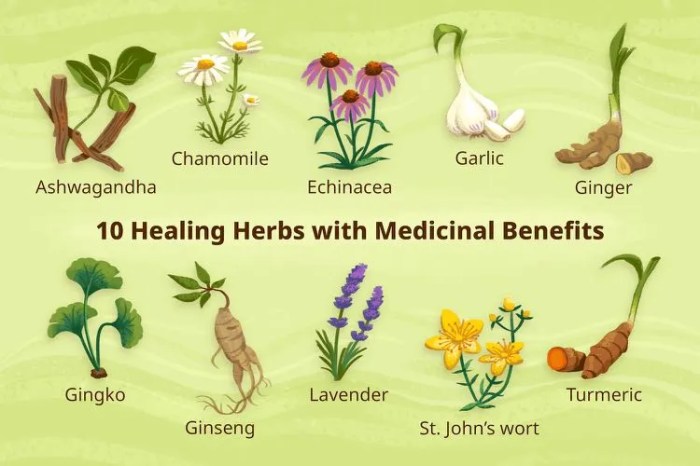
How to identify quality sources for herbal remedies takes center stage in this guide, offering valuable insights on sourcing the best herbal products. Dive into a world of reputable suppliers and certifications to ensure you’re getting the most effective remedies.
Identifying Quality Sources for Herbal Remedies

When it comes to herbal remedies, sourcing from reputable suppliers is crucial to ensure safety and effectiveness. Here are some tips to help you identify quality sources for herbal products:
Researching Supplier Reputation
Before purchasing herbal remedies, take the time to research the reputation of the supplier. Look for reviews, testimonials, and any feedback from previous customers to gauge the quality of their products.
Significance of Certifications and Third-Party Testing
Quality suppliers of herbal remedies often have certifications from regulatory bodies or third-party testing to ensure the purity and potency of their products. Look for certifications such as USDA Organic, Non-GMO Project Verified, or GMP (Good Manufacturing Practices) to ensure you are getting a high-quality product.
Wellness Programs: How To Identify Quality Sources For Herbal Remedies
Herbal remedies play a significant role in wellness programs by providing natural solutions to promote overall health and well-being. These remedies are often used to support the body’s natural healing processes and address specific health concerns in a holistic manner.
Examples of Popular Wellness Programs with Herbal Remedies
- Traditional Chinese Medicine (TCM): TCM incorporates various herbal remedies such as ginseng, astragalus, and ginger to restore balance and promote health.
- Ayurveda: Ayurvedic wellness programs utilize herbs like turmeric, ashwagandha, and triphala to enhance vitality and promote longevity.
- Native American Healing Practices: Native American tribes have long used herbal remedies like sage, cedar, and sweetgrass in wellness rituals to cleanse and heal the body.
By integrating herbal remedies into wellness programs, individuals can experience a more comprehensive approach to health that addresses both physical and emotional well-being.
Enhancing Effectiveness of Wellness Initiatives with Herbal Remedies
Herbal remedies can enhance the effectiveness of wellness initiatives by providing natural alternatives to conventional treatments, reducing the risk of side effects, and supporting the body’s innate healing mechanisms. When used in conjunction with other wellness practices such as yoga, meditation, and dietary changes, herbal remedies can optimize health outcomes and promote longevity.
- For example, incorporating adaptogenic herbs like ashwagandha and rhodiola into stress management programs can help individuals better cope with daily stressors and improve resilience.
- Similarly, herbal teas infused with calming herbs like chamomile and lavender can enhance relaxation practices and promote better sleep quality in wellness programs focused on improving sleep hygiene.
Herbal Remedies for Skin Health
When it comes to promoting skin health, herbal remedies can be a natural and effective option. These remedies are often packed with antioxidants, vitamins, and minerals that can nourish the skin from within, helping to achieve a healthy and glowing complexion.
Specific Herbs for Skin Health, How to identify quality sources for herbal remedies
- Calendula: Known for its anti-inflammatory properties, calendula can help soothe irritated skin and promote healing.
- Lavender: Lavender is not only calming for the mind but also beneficial for the skin, with its antiseptic and anti-inflammatory properties.
- Chamomile: Chamomile is gentle on the skin and can help reduce redness and irritation, making it ideal for sensitive skin types.
Benefits of Herbal Remedies for Skin Conditions
- Acne: Herbal remedies like tea tree oil and witch hazel can help combat acne-causing bacteria and reduce inflammation.
- Eczema: Herbs like chamomile and calendula can provide relief from itching and help repair the skin barrier in eczema-prone skin.
- Aging: Antioxidant-rich herbs such as green tea and rosehip can help fight free radicals and promote collagen production, reducing signs of aging.
Tips for Incorporating Herbal Remedies into Skincare Routine
- Do a patch test before using any new herbal remedy to ensure you don’t have any allergic reactions.
- Consult with a dermatologist or herbalist to determine the best herbs for your specific skin concerns.
- Introduce one herbal remedy at a time to observe how your skin reacts and make adjustments accordingly.
Herbal Remedies for Bone Density
When it comes to supporting bone density, certain herbs have been known to be particularly effective. These herbs can help strengthen bones and promote overall bone health.
Herbs Known to Support Bone Density
- Moringa: Rich in calcium, magnesium, and other essential minerals, moringa can help improve bone density and prevent bone-related disorders.
- Horsetail: Contains silica, which aids in the formation of collagen, essential for bone strength and flexibility.
- Nettle: High in calcium, magnesium, and vitamin K, nettle can help improve bone strength and prevent fractures.
Scientific Evidence on Herbal Remedies for Bone Health
Several studies have shown the effectiveness of herbal remedies in improving bone density. For example, a study published in the Journal of Ethnopharmacology found that moringa supplementation significantly increased bone mineral density in postmenopausal women.
Recommendations for Incorporating Herbal Remedies
- Consult a healthcare provider before starting any herbal remedies to ensure they are safe and appropriate for you.
- Consider incorporating herbs known for bone health into your diet or as supplements to support bone density.
- Combine herbal remedies with weight-bearing exercises and a balanced diet rich in calcium and vitamin D for optimal bone-strengthening benefits.
Herbal Remedies for Muscle Mass
When it comes to muscle mass, herbal remedies can play a vital role in aiding muscle growth and recovery. These natural remedies can provide essential nutrients and compounds that support the development of muscle tissue and help in repairing muscle damage.
Benefits of Herbal Remedies for Muscle Health
- One of the key benefits of herbal remedies for muscle mass is their ability to reduce inflammation in the muscles, allowing for faster recovery after workouts.
- Herbs such as ashwagandha and ginseng have been shown to improve muscle strength and endurance, making them valuable supplements for those looking to build muscle.
- Additionally, herbal remedies like turmeric and ginger can help in reducing muscle soreness and pain, allowing individuals to push harder during their workouts.
Importance of Combining Herbal Remedies with Exercise
While herbal remedies can provide great support for muscle health, it is essential to combine them with regular exercise for optimal muscle mass development. Exercise helps in stimulating muscle growth and strength, while herbal remedies provide the necessary nutrients and compounds to support this process.
Commonly Used Herbs for Muscle Health and Growth
- Ashwagandha:Known for its adaptogenic properties, ashwagandha can help in reducing exercise-induced muscle damage and promoting muscle recovery.
- Ginseng:This herb has been linked to increased muscle strength and endurance, making it a popular choice among athletes and fitness enthusiasts.
- Turmeric:With its anti-inflammatory properties, turmeric can help in reducing muscle soreness and inflammation, promoting faster recovery after intense workouts.
- Ginger:Ginger is known for its ability to alleviate muscle pain and soreness, making it a valuable herb for individuals looking to enhance their muscle recovery.
End of Discussion
Exploring the world of herbal remedies and their sources unveils a realm of wellness possibilities. By choosing quality suppliers and products, you’re taking a step towards a healthier lifestyle enriched with natural goodness.
Detailed FAQs
How can I verify the reputation of herbal remedy suppliers?
You can check for customer reviews, certifications, and third-party testing to ensure the credibility of suppliers.
Why is it important to source herbal remedies from reputable sources?
Sourcing from reputable suppliers guarantees the quality and effectiveness of the herbal products you use.
What role do certifications play in ensuring the quality of herbal remedies?
Certifications indicate that the herbal remedies have met certain standards of quality and safety.


