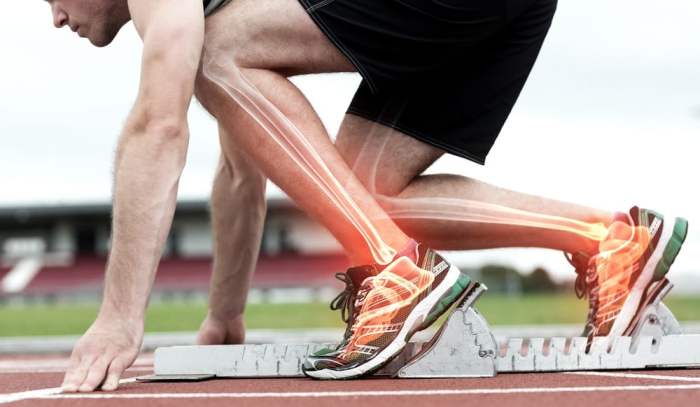
Importance of bone density for athletic performance shines a spotlight on the crucial role bone strength plays in achieving athletic excellence. From preventing injuries to enhancing overall performance, understanding the impact of bone density is key in the world of sports.
Wellness programs, herbal remedies, muscle mass, and other factors all contribute to the intricate relationship between bone health and athletic success. Dive into the details of how bone density affects athletes and uncover the secrets to optimizing performance through strong bones.
Importance of Bone Density for Athletic Performance
Bone density is a crucial factor in determining an athlete’s performance and overall well-being. Strong bones provide a solid framework for muscles to attach to, allowing for better strength, power, and endurance during physical activities.
How Bone Density Affects Athletic Performance
Athletes with higher bone density have a reduced risk of fractures and stress injuries, enabling them to push their bodies to the limit without the fear of debilitating injuries. Additionally, strong bones contribute to better balance, coordination, and agility, essential for optimal performance in various sports.
Examples of Sports Where Bone Density Plays a Crucial Role
- 1. Gymnastics: Gymnasts require strong bones to withstand the impact of high-intensity jumps, flips, and landings.
- 2. Weightlifting: Weightlifters rely on strong bones to support heavy weights and prevent injuries during lifts.
- 3. Rugby: Rugby players with higher bone density are less prone to fractures and can tackle opponents with greater force.
Relationship Between Bone Density and Injury Prevention in Athletes
High bone density is directly linked to injury prevention in athletes. Strong bones act as a protective shield, absorbing impact forces and reducing the risk of fractures or stress-related injuries. By maintaining optimal bone health through proper nutrition and training, athletes can enhance their performance and longevity in their respective sports.
Wellness Programs: Importance Of Bone Density For Athletic Performance
Wellness programs play a crucial role in maintaining and improving bone density, which is essential for athletes to enhance their performance and prevent injuries.
Importance of Wellness Programs for Athletes
Wellness programs encompass a variety of activities such as strength training, flexibility exercises, proper nutrition, and stress management techniques. When incorporated into an athlete’s routine, these programs can have numerous benefits:
- Strength Training: Regular strength training exercises help in building and maintaining bone density, which is crucial for overall bone health and injury prevention.
- Flexibility Exercises: Stretching and flexibility exercises improve joint mobility and reduce the risk of musculoskeletal injuries, contributing to better athletic performance.
- Nutrition: Adequate intake of calcium, vitamin D, and other essential nutrients is necessary for strong bones. Wellness programs often include nutritional guidance to support bone health.
- Stress Management: High levels of stress can negatively impact bone density. Wellness programs that incorporate stress management techniques, such as mindfulness and relaxation exercises, can help athletes maintain optimal bone health.
It is essential for athletes to prioritize their bone health through comprehensive wellness programs to perform at their best and prevent injuries.
Herbal Remedies
Herbal remedies have been utilized for centuries to promote bone health and density, offering a natural alternative to traditional treatments. For athletes looking to enhance their bone strength, incorporating herbal remedies into their wellness routines can be a beneficial addition.
Support for Bone Density
- Ginseng: Known for its anti-inflammatory properties, ginseng can help reduce bone loss and improve bone density, particularly beneficial for athletes engaging in high-impact activities.
- Horsetail: Rich in silica, horsetail can aid in the production of collagen, essential for maintaining bone strength and density.
- Nettle: Nettle contains minerals like calcium and magnesium, crucial for bone health, and can help prevent calcium loss in athletes.
Effectiveness Comparison
- While traditional treatments like medication and supplements may provide immediate results, herbal remedies offer a more holistic approach, supporting overall health in addition to bone density.
- Herbal remedies are often gentler on the body, with fewer side effects compared to traditional treatments, making them a preferred choice for athletes looking to maintain long-term bone health.
- Combining herbal remedies with a balanced diet and regular exercise can further enhance their effectiveness in improving bone density for athletes.
Muscle Mass
Maintaining a healthy muscle mass is crucial for overall athletic performance and bone density. Muscles play a significant role in supporting and protecting our bones, which in turn helps to improve bone density.
Exercises to Increase Muscle Mass and Bone Density
- Resistance training: Weight lifting, bodyweight exercises, and resistance bands can all help build muscle mass and promote bone density.
- High-impact exercises: Activities like running, jumping, and plyometrics can stimulate bone growth and increase muscle mass.
- Yoga and Pilates: These exercises focus on strengthening muscles while also improving balance and flexibility, which can benefit both muscle mass and bone density.
Contribution of Muscle Mass to Athletic Performance
Muscle mass contributes significantly to athletic performance by providing strength, power, and endurance. Athletes with higher muscle mass are often able to generate more force, move more efficiently, and reduce the risk of injuries during physical activities. Additionally, strong muscles can help improve overall coordination and agility, enhancing performance in various sports and activities.
Dental Care
Good dental care is crucial for maintaining strong bones, including bone density in athletes. Poor dental health can have a negative impact on overall bone health and athletic performance.
Impact of Dental Health on Bone Density
- Poor oral health, such as gum disease, can lead to inflammation in the body which may affect bone density.
- Certain dental conditions or treatments, like tooth loss or jawbone deterioration, can also impact bone strength.
- Regular dental check-ups and proper oral hygiene can help prevent dental issues that may affect bone density.
Preventive Dental Care Measures
- Brushing teeth twice a day and flossing regularly can prevent gum disease and maintain oral health.
- Eating a balanced diet rich in calcium and vitamin D is essential for strong bones, including teeth and jawbones.
- Avoiding sugary and acidic foods can help protect teeth from decay and maintain overall dental health.
Impact on Athletic Performance
- Poor dental health can lead to pain or discomfort, affecting an athlete’s focus and performance during training or competition.
- Infections or oral health issues can cause systemic inflammation, which may impact recovery time and overall physical condition.
- Healthy teeth and gums can contribute to better overall health, energy levels, and endurance for athletes.
Eye Health
Maintaining good eye health is crucial for athletes as it can have a direct impact on their bone density and overall performance. Proper eye care not only enhances vision but also supports bone health through various mechanisms.
Relationship between Eye Health and Bone Density
Proper eye health is linked to bone density as both are affected by similar factors such as nutrition, inflammation, and hormonal balance. For example, vitamin D, essential for bone health, is also beneficial for eye health and vision. Deficiencies in this vitamin can lead to both bone and eye problems.
Benefits of Proper Eye Care for Athletes
- Regular eye check-ups can help detect any underlying health issues early on, including those related to bone density.
- Protecting the eyes from harmful UV rays and blue light exposure can prevent oxidative stress, which may impact bone health.
- Maintaining good vision can reduce the risk of falls or injuries during sports activities, ultimately supporting bone density and overall athletic performance.
Tips for Maintaining Good Eye Health
- Eat a balanced diet rich in antioxidants, omega-3 fatty acids, and vitamins A, C, and E to support eye health.
- Avoid prolonged screen time and use protective eyewear when necessary to reduce strain on the eyes.
- Stay hydrated to keep the eyes moist and reduce dryness, especially during intense physical activities.
- Get regular eye exams to monitor any changes in vision and address potential issues promptly.
Mental Clarity
Having mental clarity is crucial for athletes as it can directly impact their bone density and overall athletic performance. When athletes are mentally sharp and focused, they are better able to adhere to their training regimen, make quick decisions during competitions, and stay motivated to push through challenges.
Impact of Mental Resilience on Bone Health
Mental resilience plays a significant role in maintaining bone health. Athletes who are mentally resilient are better equipped to handle the stress and pressure that often come with intense training and competition. This resilience can help reduce the production of cortisol, a stress hormone that can have negative effects on bone density.
Additionally, mental resilience can contribute to better sleep quality, which is essential for bone regeneration and repair. Adequate rest and recovery are crucial for maintaining optimal bone density and preventing injuries.
Strategies to Improve Mental Clarity
- Practice mindfulness techniques such as meditation and deep breathing exercises to calm the mind and improve focus.
- Set realistic goals and create a structured routine to enhance mental discipline and reduce distractions.
- Engage in regular physical activity outside of training to release endorphins and boost mood, which can positively impact mental clarity.
- Seek support from a sports psychologist or mental health professional to develop coping strategies and enhance mental resilience.
Joint Flexibility
Joint flexibility plays a crucial role in maintaining bone density in athletes. When joints are flexible, they allow for a greater range of motion during physical activities, which in turn helps to stimulate bone growth and strengthen the bones.
Exercises and Stretches for Joint Flexibility and Bone Health
- Yoga: Practicing yoga poses can help improve joint flexibility and increase bone density.
- Dynamic Stretching: Incorporating dynamic stretches into your warm-up routine can help prepare your joints for exercise and promote bone health.
- Pilates: Pilates exercises focus on strengthening the core muscles, which can also help improve joint flexibility and support bone health.
Role of Joint Flexibility in Injury Prevention and Performance Improvement
- Preventing Injuries: Flexible joints are less prone to injuries such as sprains and strains, allowing athletes to perform at their best without interruptions.
- Improving Performance: Enhanced joint flexibility enables athletes to move more efficiently and effectively, leading to better performance outcomes in their respective sports.
Digestive Health
Good digestive health plays a crucial role in maintaining strong bones and overall athletic performance. The connection between digestive health and bone density lies in the body’s ability to absorb essential nutrients that support bone strength and repair.
Dietary Tips for Athletes
- Aim for a balanced diet rich in calcium, vitamin D, magnesium, and other bone-supporting nutrients.
- Incorporate probiotic-rich foods like yogurt, kefir, and sauerkraut to promote gut health and aid digestion.
- Stay hydrated by drinking plenty of water throughout the day to support digestion and nutrient absorption.
- Avoid excessive consumption of processed foods, sugary drinks, and alcohol, which can negatively impact gut health and nutrient absorption.
Nutrient Absorption and Athletic Performance
Optimal digestive health is essential for athletes to effectively absorb nutrients that are vital for energy production, muscle recovery, and overall performance. Without proper digestion, even with a nutrient-rich diet, the body may not be able to utilize these nutrients efficiently, leading to decreased athletic performance and potential bone density issues.
Detox Process
Detox processes play a crucial role in impacting bone density in athletes. By eliminating toxins and waste from the body, detoxing can contribute to improved bone health and overall athletic performance.
Benefits of Detoxing for Bone Health and Athletic Performance
- Enhanced nutrient absorption: Detoxing can help the body better absorb essential nutrients that are vital for maintaining strong bones.
- Reduced inflammation: By reducing inflammation in the body, detoxing can promote better bone density and faster recovery from intense physical activities.
- Improved metabolism: A detoxed body can have a more efficient metabolism, which can aid in maintaining optimal bone mass and strength.
- Enhanced energy levels: Detoxing can boost energy levels, allowing athletes to perform better during workouts and competitions.
Healthy Detox Methods for Athletes
There are several healthy detox methods that athletes can incorporate into their routine to support bone health and athletic performance:
- Hydration: Staying well-hydrated is key to supporting the body’s natural detoxification processes.
- Whole foods diet: Consuming a diet rich in fruits, vegetables, and lean proteins can provide essential nutrients for bone health.
- Regular exercise: Engaging in regular physical activity can help flush out toxins through sweat and improve overall health.
- Proper rest: Getting an adequate amount of sleep is essential for allowing the body to repair and detoxify during rest periods.
Blood Pressure
Maintaining healthy blood pressure levels is crucial for overall health, including bone density in athletes. High blood pressure can negatively impact bone health by increasing the risk of osteoporosis and fractures. On the other hand, regulating blood pressure can have significant benefits for athletes, enhancing their performance and reducing the likelihood of bone-related injuries.
Relationship Between Blood Pressure and Bone Density
High blood pressure can lead to the loss of bone mineral density, making bones weaker and more susceptible to fractures. This is because elevated blood pressure levels can disrupt the balance of minerals in the bones, such as calcium, which are essential for maintaining bone strength.
Over time, this can increase the risk of developing osteoporosis, a condition characterized by low bone density and increased fragility.
Benefits of Healthy Blood Pressure for Athletes
- Improved bone health: Regulating blood pressure helps maintain optimal bone mineral density, reducing the risk of fractures and injuries during athletic activities.
- Enhanced performance: Athletes with healthy blood pressure levels are better equipped to handle the physical demands of their sport, leading to improved performance outcomes.
- Overall well-being: Maintaining healthy blood pressure not only benefits bone health but also contributes to better cardiovascular health and overall well-being for athletes.
Strategies to Regulate Blood Pressure for Athletes
Regular exercise, such as cardio and strength training, can help lower blood pressure and improve overall cardiovascular health.
- Follow a balanced diet rich in fruits, vegetables, whole grains, and lean protein to support heart health and maintain healthy blood pressure levels.
- Avoid excessive salt intake, as it can contribute to high blood pressure. Opt for low-sodium alternatives and limit processed foods.
- Manage stress through relaxation techniques like yoga, meditation, or deep breathing exercises to reduce the impact of stress on blood pressure.
- Consult with a healthcare provider for personalized recommendations and monitoring of blood pressure levels to ensure optimal health for athletic performance.
Heart Rate
Maintaining an optimal heart rate is crucial for athletes to ensure proper bone density and overall health. During physical activity, heart rate plays a significant role in bone health by promoting better circulation and nutrient delivery to the bones.
Significance of Heart Rate in Bone Density
Maintaining a healthy heart rate during exercise is essential for athletes as it helps increase blood flow to the bones, delivering essential nutrients and promoting bone growth and density. A higher heart rate during physical activity stimulates bone formation and strengthens the skeletal system, reducing the risk of fractures and injuries.
- Regular cardiovascular exercise can help maintain a healthy heart rate, improving bone density and overall bone health.
- Monitoring heart rate during workouts can ensure that athletes are working at an intensity level that is beneficial for bone strength.
- Controlling heart rate through proper warm-up and cool-down routines can help prevent overexertion and potential damage to the bones.
Health Screenings
Regular health screenings are essential for athletes to assess bone density and overall health. These screenings help in detecting any potential issues early on, allowing for timely intervention and prevention of serious health concerns. When it comes to athletes, maintaining optimal bone density is crucial for performance and injury prevention.
Common Health Screenings for Bone Health
- Bone Mineral Density (BMD) Test: This test measures the amount of minerals, such as calcium, in a specific area of bone. It helps in diagnosing osteoporosis and assessing fracture risk.
- Vitamin D Levels Test: Adequate levels of vitamin D are essential for bone health. Low levels can lead to weakened bones and increased risk of fractures.
- Blood Tests: Blood tests can help in assessing calcium, phosphorus, and other mineral levels that are vital for bone health.
Impact of Health Screenings on Athletic Performance
Regular health screenings play a significant role in maintaining and improving athletic performance. By monitoring bone density and overall health through these screenings, athletes can identify any deficiencies or issues that may impact their performance. Early detection allows for appropriate interventions, such as supplementation or lifestyle changes, to optimize bone health and overall athletic performance.
Vaccination Programs
Vaccination programs play a crucial role in supporting bone health for athletes by preventing infections and diseases that can affect overall health and potentially impact bone density. It is essential for athletes to stay up-to-date with their vaccinations to ensure optimal performance and well-being on and off the field.
Impact of Vaccinations on Bone Density and Overall Health
Vaccinations such as the flu shot, tetanus vaccine, and HPV vaccine can help athletes maintain good bone health by reducing the risk of infections that may lead to inflammation and bone loss. For example, the flu shot can prevent respiratory infections that can weaken bones, while the tetanus vaccine protects against bacterial infections that could affect bone strength.
Additionally, vaccines like the HPV vaccine can prevent certain cancers that may impact bone health in the long run.
Importance of Staying Up-to-Date with Vaccination Programs for Athletes
Athletes are often exposed to various environments and individuals, increasing their risk of contracting infections. By staying current with their vaccinations, athletes can protect themselves and others from preventable diseases that could hinder their athletic performance. Regular vaccinations not only safeguard bone health but also contribute to overall well-being, ensuring athletes can continue to train and compete at their best.
Balanced Hormones
Maintaining balanced hormones is crucial for optimal bone density in athletes. Hormones play a significant role in regulating bone metabolism, ensuring proper bone formation, and preventing bone loss.
Impact of Hormonal Imbalances on Bone Health and Athletic Performance
When hormonal imbalances occur, especially in key hormones like estrogen, testosterone, and growth hormone, it can have a detrimental impact on bone health and athletic performance. For example, low estrogen levels in female athletes can lead to decreased bone density and increased risk of fractures, while low testosterone levels in male athletes can also result in weakened bones and reduced muscle mass.
Ways to Achieve Hormone Balance for Better Bone Density
- Proper Nutrition: Eating a balanced diet rich in essential nutrients like calcium, vitamin D, and magnesium can support hormone production and bone health.
- Regular Exercise: Engaging in weight-bearing exercises and strength training can help maintain hormone balance and promote bone density.
- Stress Management: High stress levels can disrupt hormone levels, so practicing stress-reducing activities like yoga, meditation, or deep breathing exercises can be beneficial.
- Consulting a Healthcare Professional: If hormonal imbalances are suspected, athletes should consult with a healthcare provider to determine the best course of action, which may include hormone therapy or other interventions.
Health Coaching
Health coaching plays a crucial role in helping athletes improve their bone density and overall performance. By providing personalized guidance and support, health coaches can assist athletes in achieving their bone health goals and enhancing their athletic abilities.
Benefits of Health Coaching for Bone Density Improvement
- Health coaches can create customized nutrition and exercise plans specifically designed to increase bone density.
- They offer motivation and accountability to ensure athletes stay on track with their bone health goals.
- Health coaches can educate athletes on the importance of proper recovery and rest for optimal bone density enhancement.
How Health Coaches Help Athletes Reach Bone Health Goals
- Provide ongoing support and guidance to address any challenges or obstacles faced by athletes in their bone health journey.
- Collaborate with athletes to set realistic and achievable goals for improving bone density and performance.
- Offer resources and information on the latest research and techniques for enhancing bone health through coaching sessions.
Examples of Health Coaching Strategies for Bone Density Enhancement
- Implementing weight-bearing exercises such as strength training and resistance training to promote bone growth and density.
- Encouraging athletes to consume a diet rich in calcium, vitamin D, and other nutrients essential for bone health.
- Incorporating stress-reducing techniques like meditation and yoga to prevent the negative impact of cortisol on bone density.
Fitness Goals
Setting fitness goals is crucial for athletes looking to improve their bone density and overall athletic performance. By establishing clear objectives, athletes can stay motivated, track their progress, and make necessary adjustments to their training routine to ensure they are working towards stronger bones.
Impact on Bone Density
- Setting specific fitness goals that focus on weight-bearing exercises, resistance training, and proper nutrition can help increase bone density.
- Consistently challenging the bones through targeted exercises can stimulate bone growth and reduce the risk of fractures or injuries.
- Regularly monitoring and reassessing fitness goals can ensure athletes are on the right track to maintaining strong and healthy bones.
Effective Goal Setting Tips
- Set realistic and achievable goals that align with your overall athletic aspirations and bone health objectives.
- Break down larger goals into smaller, manageable milestones to track progress and celebrate achievements along the way.
- Include a variety of exercises and activities in your fitness plan to target different muscle groups and enhance overall bone strength.
- Consult with a fitness coach or healthcare professional to help tailor your fitness goals to your specific needs and ensure they are safe and effective.
Diet Planning
Proper diet planning is crucial for athletes to support bone density and overall athletic performance. A well-balanced diet rich in essential nutrients can help prevent injuries, improve recovery time, and enhance endurance during training and competitions.
Key Nutrients for Bone Health and Athletic Performance, Importance of bone density for athletic performance
- Calcium: Essential for bone strength and muscle function. Good sources include dairy products, leafy green vegetables, and fortified foods.
- Vitamin D: Helps the body absorb calcium and maintain bone health. Sunlight exposure, fatty fish, and fortified foods are sources of vitamin D.
- Protein: Important for muscle repair and growth. Lean meats, poultry, fish, beans, and nuts are excellent sources of protein.
- Magnesium: Supports bone density and muscle function. Nuts, seeds, whole grains, and leafy green vegetables are rich in magnesium.
- Vitamin K: Aids in bone mineralization and strength. Sources include leafy green vegetables, broccoli, and Brussels sprouts.
Guidelines for Creating a Bone-Friendly Diet Plan for Athletes
- Include a variety of nutrient-dense foods in your diet to ensure you get all the essential nutrients for bone health and athletic performance.
- Focus on whole foods like fruits, vegetables, whole grains, lean proteins, and healthy fats to provide a well-rounded nutritional intake.
- Avoid excessive consumption of processed foods, sugary beverages, and high-sodium snacks that can negatively impact bone health and overall performance.
- Stay hydrated by drinking an adequate amount of water throughout the day to support proper digestion, nutrient absorption, and muscle function.
- Consult with a registered dietitian or nutritionist to personalize your diet plan based on your specific athletic needs, training regimen, and performance goals.
Health Supplements
Health supplements can play a crucial role in improving bone density for athletes by providing essential nutrients that may be lacking in their diet. These supplements can help support bone health, enhance athletic performance, and reduce the risk of injuries.
Popular Supplements for Bone Health and Athletic Performance
- Calcium: A vital mineral for bone strength and density, essential for athletes to prevent fractures and maintain overall bone health.
- Vitamin D: Helps the body absorb calcium and supports bone mineralization, crucial for athletes who may have limited sun exposure.
- Collagen: Supports bone, joint, and connective tissue health, aiding in recovery and injury prevention for athletes.
- Magnesium: Important for bone formation and strength, as well as muscle function and energy production.
Considerations when Incorporating Health Supplements for Bone Density
- Consult with a healthcare professional or nutritionist to determine the right supplements and dosages based on individual needs and goals.
- Ensure the supplements are from reputable brands and sources to guarantee quality and effectiveness.
- Avoid exceeding recommended dosages, as excessive intake of certain supplements can have adverse effects on health.
- Monitor and adjust supplement intake based on changes in training intensity, diet, and overall health status.
Breathing Techniques
Breathing techniques play a crucial role in promoting bone density for athletes by ensuring proper oxygenation of the body, which is essential for bone health and overall athletic performance. By incorporating specific breathing exercises into their routine, athletes can improve their bone strength and reduce the risk of injuries.
Specific Breathing Exercises for Bone Health
- Diaphragmatic Breathing: This deep breathing technique helps expand the lungs fully, allowing for better oxygen exchange and promoting bone health.
- Pursed Lip Breathing: By exhaling slowly through pursed lips, athletes can improve their lung function and enhance oxygen delivery to the bones.
- Rib Stretch Breathing: This exercise involves taking deep breaths to expand the rib cage, improving lung capacity and increasing oxygen flow to the bones.
Importance of Proper Breathing for Athletic Well-being
Proper breathing is essential for athletes as it helps optimize oxygen intake, improve endurance, and enhance overall performance. By maintaining a steady breathing pattern during physical activities, athletes can support their bone density, reduce stress on the bones, and maximize their athletic potential.
Disease Prevention
Preventing diseases is crucial in maintaining optimal bone density for athletes. By proactively addressing potential health issues, athletes can safeguard their bone health and ensure peak performance.
Common Diseases Affecting Bone Health
Several diseases can impact bone health and athletic performance. Some common ones include:
- Osteoporosis: a condition characterized by weak and brittle bones, increasing the risk of fractures.
- Osteoarthritis: a degenerative joint disease that can affect mobility and flexibility.
- Rheumatoid Arthritis: an autoimmune disorder that causes inflammation and pain in the joints.
Preventive Measures for Disease Prevention
To reduce the risk of diseases affecting bone density, athletes can take the following preventive measures:
- Regular exercise: Engaging in weight-bearing activities can help strengthen bones and improve overall bone health.
- Healthy diet: Consuming calcium-rich foods, vitamin D, and other nutrients essential for bone health can support optimal bone density.
- Regular health check-ups: Monitoring bone density levels and addressing any deficiencies or issues promptly can prevent disease progression.
- Adequate rest and recovery: Ensuring proper rest between intense training sessions can help prevent overuse injuries and bone-related conditions.
Pain Management
Effective pain management is crucial for athletes with bone density concerns as it can impact their performance and overall well-being. Finding the right strategies to manage pain related to bone health is essential to ensure athletes can continue training and competing at their best.
Methods for Managing Pain
When it comes to managing pain related to bone health, athletes can consider various methods to alleviate discomfort without compromising their athletic performance:
- Physical Therapy: Engaging in targeted exercises and stretches can help improve flexibility, strength, and overall bone health, reducing pain in the process.
- Ice and Heat Therapy: Alternating between ice packs and heat pads can help reduce inflammation and alleviate pain in affected areas.
- Proper Nutrition: Consuming a balanced diet rich in calcium, vitamin D, and other essential nutrients can support bone health and reduce the risk of pain and injuries.
- Rest and Recovery: Adequate rest and recovery time are crucial for allowing the body to heal and repair itself, reducing pain and promoting recovery.
- Consultation with Healthcare Professionals: Seeking guidance from healthcare professionals such as orthopedic specialists or physical therapists can provide personalized treatment plans and recommendations for managing pain effectively.
Balancing Pain Management with Training
While managing pain is important, athletes also need to balance pain management strategies with their training and competition schedules to ensure optimal performance:
- Listen to Your Body: It’s essential to pay attention to your body’s signals and adjust your training intensity or schedule accordingly to prevent exacerbating pain or injuries.
- Modify Workouts: Making modifications to your workouts by incorporating low-impact exercises or focusing on different muscle groups can help alleviate pain while still maintaining fitness levels.
- Optimize Recovery: Prioritize recovery techniques such as adequate sleep, hydration, and massage therapy to support the body’s healing process and reduce pain from intense training sessions.
- Communicate with Coaches and Trainers: Open communication with coaches and trainers about any pain or discomfort you may be experiencing can help them tailor your training program to accommodate your needs and prevent further injury.
Holistic Treatments
Holistic treatments focus on treating the entire body, mind, and spirit to promote overall wellness and balance. When it comes to bone density improvement in athletes, incorporating holistic approaches can provide additional benefits and support to traditional methods.
Nutritional Therapy
Nutritional therapy plays a key role in improving bone health holistically. By focusing on a diet rich in calcium, vitamin D, magnesium, and other essential nutrients, athletes can support bone density and strength. Incorporating foods like leafy greens, dairy products, nuts, and seeds can provide the necessary nutrients for optimal bone health.
Acupuncture and Traditional Chinese Medicine
Acupuncture and Traditional Chinese Medicine (TCM) offer alternative therapies that can help enhance bone health in athletes. Acupuncture, in particular, can stimulate circulation and energy flow in the body, promoting healing and strengthening of bones. TCM approaches such as herbal remedies and dietary therapy can also support bone density improvement.
Mind-Body Practices
Mind-body practices like yoga, tai chi, and meditation can also play a role in enhancing bone health holistically. These practices promote relaxation, stress reduction, and overall well-being, which can positively impact bone density. By reducing inflammation and promoting balance in the body, athletes can support their bone health through these holistic approaches.
Chiropractic Care
Chiropractic care focuses on spinal alignment and nervous system function, which can impact overall health and wellness, including bone density. By ensuring proper alignment and function of the spine, chiropractic care can support optimal bone health and prevent injuries in athletes.
Regular chiropractic adjustments can contribute to improved bone density and overall athletic performance.
Mental Resilience
Maintaining strong bone density in athletes goes beyond physical training and nutrition; mental resilience plays a crucial role in overall bone health and athletic performance. The ability to overcome challenges, cope with stress, and stay focused can directly impact bone density outcomes.
Impact on Bone Health and Athletic Performance
Building mental resilience not only enhances an athlete’s ability to push through physical barriers but also contributes to better bone health. Stress and negative emotions can lead to increased cortisol levels, which may weaken bones over time. On the other hand, a positive mindset, determination, and the ability to stay focused can support bone density by reducing the impact of stress on the body.
- Positive mindset: Maintaining a positive outlook can help reduce stress levels and promote better bone health.
- Determination: Setting clear goals and staying committed to them can improve overall resilience and bone density outcomes.
- Focus: Training the mind to stay focused during challenges and setbacks can support better bone health and athletic performance.
Building mental resilience is like strengthening a muscle; the more you practice and challenge it, the stronger it becomes.
Techniques to Build Mental Resilience
Enhancing mental resilience requires practice and dedication. Incorporating mindfulness techniques, stress management strategies, and visualization exercises can help athletes develop a strong mindset for better bone density outcomes.
- Mindfulness: Practicing mindfulness meditation can help athletes stay present, reduce stress, and improve overall resilience.
- Stress management: Learning effective stress management techniques such as deep breathing, progressive muscle relaxation, or yoga can support mental resilience and bone health.
- Visualization: Using visualization techniques to imagine success, overcome challenges, and stay focused can enhance mental resilience for better athletic performance and bone density.
Final Conclusion
In conclusion, the significance of bone density for athletic performance cannot be overstated. By prioritizing bone health through various strategies like wellness programs and herbal remedies, athletes can unlock their full potential and elevate their game to new heights. Embrace the power of strong bones and pave the way for a successful sporting journey filled with strength, resilience, and peak performance.
Detailed FAQs
How does bone density impact athletic performance?
Bone density directly influences an athlete’s strength, endurance, and susceptibility to injuries, making it a critical factor in achieving peak performance.
What are some popular herbal remedies that support bone density?
Herbs like nettle, red clover, and horsetail are known for their bone-strengthening properties and are commonly used by athletes to improve bone health.
Can muscle mass alone improve bone density?
While muscle mass is beneficial for bone health, a combination of muscle-strengthening exercises and proper nutrition is essential to enhance bone density effectively.


