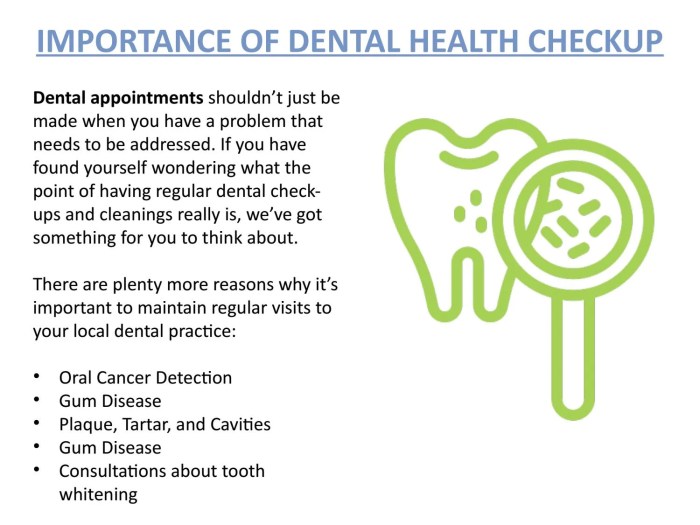
Delving into Importance of regular dental check-ups for oral health, this introduction immerses readers in a unique and compelling narrative. Regular dental check-ups are essential for maintaining oral health and preventing potential issues that could escalate into serious problems. By exploring the significance of these routine visits, we uncover a crucial aspect of overall well-being that often goes unnoticed.
Let’s dive into the world of dental health and unveil the secrets behind a radiant smile.
Regular dental check-ups not only help in early detection of oral health issues but also play a vital role in preserving the overall hygiene of your mouth. Ignoring these routine visits can lead to complications that may affect not only your teeth but also your general health.
Let’s explore why regular dental check-ups are more than just a chore but a necessity for a healthier you.
Importance of Regular Dental Check-ups for Oral Health
Regular dental check-ups are crucial for maintaining good oral health. These routine visits to the dentist can help in preventing oral health issues, detecting problems early on, and ensuring overall oral hygiene.
Preventing Oral Health Issues
Regular dental check-ups play a significant role in preventing various oral health issues such as cavities, gum disease, and oral cancer. Through professional cleanings and examinations, dentists can identify early signs of these problems and provide appropriate treatment before they worsen.
Early Detection for Avoiding Serious Problems
Early detection during dental check-ups can help in avoiding more serious dental problems in the future. By identifying issues like tooth decay or gum disease at an early stage, dentists can address them promptly, preventing the need for extensive treatments or procedures later on.
Maintaining Overall Oral Hygiene
In addition to addressing specific dental issues, regular dental visits also contribute to maintaining overall oral hygiene. Dentists can provide valuable advice on proper oral care practices, including brushing techniques, flossing, and the use of mouthwash. These recommendations can help patients improve their oral health habits and prevent future problems.
Wellness Programs
Regular dental check-ups are an essential part of maintaining good oral health, but integrating them into wellness programs can provide even more benefits. Wellness programs focused on oral health can encompass a variety of approaches to promote overall well-being, including specific initiatives to encourage regular dental visits.
By emphasizing the importance of dental check-ups within these programs, individuals can experience improved oral health and overall wellness.
Types of Wellness Programs for Oral Health
- Workplace Wellness Programs: Many companies offer wellness programs that include dental benefits and incentives for employees to visit the dentist regularly.
- Community Health Initiatives: Local organizations and health centers may organize wellness programs that provide access to affordable dental care and promote the importance of regular check-ups.
- School-Based Programs: Educational institutions often implement wellness programs that focus on oral health education, screenings, and referrals for dental services.
Integration of Dental Check-Ups in Wellness Programs
Wellness programs can integrate dental check-ups by offering incentives such as discounted or free dental exams, providing resources for finding a dentist, scheduling on-site dental visits, and including oral health education in program activities. By making dental care more accessible and emphasizing its significance within the context of overall health, individuals are more likely to prioritize regular check-ups and preventive care.
Benefits of Participating in Wellness Programs
- Improved Oral Health: Regular dental check-ups can help prevent oral diseases, detect issues early, and maintain optimal oral hygiene.
- Enhanced Overall Health: Good oral health is linked to better overall health outcomes, reducing the risk of systemic diseases such as heart disease and diabetes.
- Cost Savings: By participating in wellness programs that include dental benefits, individuals can save money on preventive care and avoid costly treatments for advanced dental problems.
Herbal Remedies for Oral Health
When it comes to maintaining oral health, herbal remedies have been used for centuries due to their natural properties and potential benefits. These remedies can be a great addition to regular dental check-ups in promoting overall oral wellness.
Benefits of Herbal Remedies
- Tea Tree Oil: Known for its antimicrobial properties, tea tree oil can help fight bacteria in the mouth and reduce inflammation, potentially preventing gum disease.
- Peppermint: Peppermint is often used to freshen breath and soothe oral tissues. It may also help alleviate minor toothaches.
- Clove: Clove has analgesic and antibacterial properties, making it effective in relieving tooth pain and fighting oral infections.
Effectiveness of Herbal Remedies
- Many herbal remedies have been scientifically proven to be effective in preventing dental issues when used correctly and consistently.
- These natural remedies can help reduce plaque buildup, fight bad breath, and promote overall oral hygiene.
Complementing Regular Dental Check-ups
- While herbal remedies can provide additional support for oral health, they should not replace regular dental check-ups.
- Combining herbal remedies with professional dental care can lead to more comprehensive oral health benefits, ensuring any issues are addressed promptly.
Skin Health and Oral Health Connection
Maintaining good skin health and oral health is crucial for overall well-being. The connection between the two may not be immediately obvious, but they are closely linked in various ways.Oral health can impact skin health in several ways. Poor oral hygiene can lead to gum disease or infections in the mouth, which can release harmful bacteria into the bloodstream.
These bacteria can then travel to the skin, causing inflammation and potentially exacerbating skin conditions such as acne or eczema. Additionally, chronic inflammation in the mouth can contribute to systemic inflammation, which is linked to skin issues like psoriasis.Conversely, the health of the skin can also affect oral health.
Skin conditions like eczema or psoriasis can weaken the skin barrier, making it easier for bacteria to enter the body. This can increase the risk of oral infections or inflammation in the mouth. Furthermore, certain skin conditions may be linked to autoimmune disorders, which can impact oral health as well.Maintaining both skin and oral health is essential for overall well-being.
Practicing good oral hygiene, such as brushing and flossing regularly, can help prevent oral infections that may impact the skin. Similarly, taking care of the skin by using gentle skincare products and protecting it from environmental factors can help maintain a healthy skin barrier, reducing the risk of systemic inflammation.
By prioritizing both skin and oral health, individuals can support their overall health and well-being.
Bone Density and Oral Health: Importance Of Regular Dental Check-ups For Oral Health
Maintaining good oral health is not just about having a bright smile; it also plays a crucial role in the overall health of our bones. The connection between bone density and oral health is often overlooked, but it is essential to understand how they influence each other.The health of our teeth and gums can impact our bone density, especially in the jawbone where the teeth are anchored.
Poor oral health, such as gum disease, can lead to bone loss in the jaw, which can ultimately affect the stability of our teeth and overall oral health. On the other hand, conditions that affect bone density, such as osteoporosis, can also increase the risk of oral health issues like tooth loss.
Influence of Oral Health Practices on Bone Density
Proper oral health practices can help improve both oral health and bone density simultaneously. Here are some tips on how to maintain good oral health and promote healthy bones:
- Brush and floss regularly: Good oral hygiene habits, such as brushing twice a day and flossing daily, can help prevent gum disease and maintain the health of your teeth and jawbone.
- Stay hydrated: Drinking an adequate amount of water is not only beneficial for your overall health but also for maintaining the mineral density of your bones.
- Eat a balanced diet: Consuming foods rich in calcium, vitamin D, and other essential nutrients can support both oral health and bone density.
- Avoid smoking and excessive alcohol consumption: These habits can negatively impact both oral health and bone density, so it’s important to avoid them.
- Regular dental check-ups: Visiting your dentist regularly for check-ups and cleanings can help detect any oral health issues early on and prevent bone loss in the jaw.
Dental Care Beyond Check-ups
When it comes to maintaining good oral health, regular dental check-ups are just one part of the equation. Daily oral hygiene practices and choosing the right dental products are essential for keeping your teeth and gums healthy.
Importance of Daily Oral Hygiene
Practicing good oral hygiene on a daily basis is crucial for preventing tooth decay, gum disease, and other oral health issues. Here are some key aspects of daily oral hygiene:
- Brushing your teeth at least twice a day with fluoride toothpaste helps remove plaque and bacteria that can cause cavities and gum disease.
- Flossing daily is important for cleaning between teeth and along the gumline, where toothbrush bristles can’t reach.
- Rinsing with an antimicrobial mouthwash can help reduce plaque and gingivitis, promoting overall oral health.
Choosing the Right Dental Products
Selecting the right dental products can make a significant difference in your oral care routine. Consider the following tips when choosing dental products:
- Look for toothpaste containing fluoride, which strengthens tooth enamel and helps prevent cavities.
- Choose a toothbrush with soft bristles and a comfortable grip to ensure gentle and effective cleaning.
- Consider using interdental cleaners like floss picks or water flossers for additional plaque removal in hard-to-reach areas.
Eye Health and Oral Health Correlation
When it comes to overall health, the connection between eye health and oral health is often overlooked. However, maintaining good oral hygiene can actually have a positive impact on your eye health as well. Let’s explore how these two seemingly unrelated areas of the body are interconnected.
Impact of Oral Conditions on Eye Health
Certain oral conditions, such as gum disease (periodontitis), can have a direct impact on your eye health. The bacteria from the mouth can enter the bloodstream through inflamed gums and travel to other parts of the body, including the eyes.
This can lead to infections or inflammation in the eyes, affecting vision and overall eye health.
Importance of Overall Health Practices
Maintaining good overall health practices, including regular dental check-ups and proper oral hygiene, is essential for supporting both eye and oral health. By taking care of your teeth and gums, you can reduce the risk of developing oral conditions that may impact your eyes.
Additionally, a healthy diet rich in vitamins and minerals can benefit both your oral and eye health.
Mental Clarity and Oral Health
Maintaining good oral health goes beyond just having a beautiful smile; it can also have a significant impact on your mental clarity and cognitive function. A healthy mouth can contribute to overall well-being, including mental well-being. Let’s explore how oral health is linked to mental clarity and share some strategies to support both.
Impact of Oral Health on Mental Clarity
Maintaining proper oral hygiene can help prevent gum disease, which has been linked to cognitive decline and an increased risk of conditions like Alzheimer’s disease. Poor oral health can lead to chronic inflammation, which may impact brain function and contribute to mental fog and lack of focus.
- Brushing and flossing regularly can reduce the risk of gum disease and inflammation, promoting better cognitive function.
- Visiting your dentist for regular check-ups and cleanings can help catch any oral health issues early before they escalate and potentially affect your mental clarity.
Strategies for Supporting Mental Clarity through Good Oral Health
Maintaining good oral health habits is essential for supporting mental clarity and overall well-being. Here are some strategies to keep your mouth and mind healthy:
- Brush your teeth at least twice a day and floss daily to remove plaque and bacteria that can lead to gum disease and inflammation.
- Use an antimicrobial mouthwash to help reduce bacteria in your mouth and maintain a healthy oral environment.
- Eat a balanced diet rich in fruits, vegetables, and lean proteins to support both your oral health and cognitive function.
- Avoid smoking and limit alcohol consumption, as these habits can negatively impact both oral health and mental clarity.
Joint Flexibility and Oral Health

Regular dental check-ups are not only essential for maintaining good oral health but can also have a positive impact on joint flexibility. The relationship between oral health and joint flexibility lies in the overall well-being of the body. Poor oral health, such as gum disease or infections, can lead to inflammation that may affect the joints, causing stiffness and reduced flexibility.
Therefore, it is crucial to take care of your oral health to prevent potential issues with joint flexibility.
How Oral Health Practices Influence Joint Health
Good oral hygiene practices, such as brushing and flossing regularly, can help prevent oral infections and inflammation that may impact joint health. By maintaining a healthy mouth, you reduce the risk of bacteria spreading to other parts of the body, including the joints.
Additionally, visiting your dentist for routine check-ups can help detect any oral health issues early on, preventing them from developing into more serious conditions that could affect joint flexibility.
- Brush your teeth at least twice a day and floss daily to prevent gum disease and oral infections.
- Stay hydrated and eat a balanced diet to support overall oral and joint health.
- Avoid smoking and excessive alcohol consumption, as these habits can contribute to poor oral health and joint issues.
Digestive Health and Oral Health
The connection between digestive health and oral health is often underestimated, but they are closely linked in maintaining overall wellness. Poor oral health can lead to digestive issues, and conversely, digestive problems can manifest as oral health concerns. It is essential to understand how these two systems interact to promote a healthy body.
The Impact of Oral Health on Digestive Processes
Maintaining good oral hygiene is crucial for proper digestion. When oral health is neglected, harmful bacteria can proliferate in the mouth and travel to the digestive tract through swallowing. This can disrupt the balance of good bacteria in the gut, leading to issues such as bloating, gas, and inflammation.
Additionally, gum disease has been linked to an increased risk of gastrointestinal conditions like irritable bowel syndrome (IBS) and Crohn’s disease.
- Poor oral health can contribute to digestive issues such as bloating, gas, and inflammation.
- Harmful bacteria from the mouth can travel to the digestive tract, affecting gut health.
- Gum disease has been associated with a higher risk of gastrointestinal conditions like IBS and Crohn’s disease.
Dietary Tips for Oral and Digestive Health
A balanced diet plays a significant role in maintaining both oral and digestive health. Foods that are beneficial for oral health, such as fruits and vegetables high in fiber, can also support digestive function. Avoiding sugary and acidic foods not only protects teeth but also helps in preventing digestive discomfort.
Drinking an adequate amount of water is essential for saliva production, which aids in digestion and protects the oral cavity.
- Include fiber-rich foods like fruits and vegetables in your diet to promote oral and digestive health.
- Avoid sugary and acidic foods that can harm teeth and disrupt digestive processes.
- Stay hydrated by drinking enough water to support saliva production for digestion and oral health.
Detox Process and Oral Health
Maintaining good oral health plays a crucial role in supporting the body’s detoxification process. The mouth serves as an entry point for toxins and bacteria, which can have a significant impact on overall health if not properly managed.
Role of Oral Hygiene in Overall Detoxification
- Proper oral hygiene, such as regular brushing and flossing, helps prevent the buildup of harmful bacteria in the mouth.
- Regular dental check-ups can identify oral health issues early on, preventing them from contributing to systemic inflammation and toxicity.
- Issues like gum disease can release toxins into the bloodstream, affecting other organs and the body’s detox mechanisms.
Practices to Enhance Oral Health and Detox Process
- Oil pulling: This ancient practice involves swishing oil in the mouth to remove toxins and improve oral health.
- Eating a balanced diet: Consuming nutrient-dense foods can support detoxification processes in the body, including those related to oral health.
- Drinking plenty of water: Staying hydrated helps flush out toxins from the body, including those that may accumulate in the mouth.
- Using natural oral care products: Opting for natural toothpaste and mouthwash can reduce exposure to harmful chemicals that may interfere with detox processes.
Blood Pressure and Oral Health
Regular dental check-ups are not just essential for oral health but also for overall well-being. One significant aspect that is often overlooked is the relationship between blood pressure and oral health. Poor oral health can have a direct impact on blood pressure levels, leading to various health complications.
Impact of Oral Health on Blood Pressure
Maintaining good oral health is crucial in controlling blood pressure levels. Research has shown that periodontal disease, a severe gum infection, can contribute to high blood pressure. The bacteria from infected gums can enter the bloodstream, causing inflammation and narrowing of blood vessels, ultimately leading to hypertension.
- Poor oral hygiene practices can result in the accumulation of plaque and bacteria in the mouth, increasing the risk of gum disease.
- Inflammation caused by gum disease can trigger an immune response, raising blood pressure levels and putting strain on the heart.
- Regular dental check-ups, proper brushing and flossing techniques, and a balanced diet can help prevent gum disease and maintain healthy blood pressure.
Tips for Supporting Healthy Blood Pressure through Oral Health
Maintaining good oral hygiene is not just about having a bright smile; it is also crucial for managing blood pressure and reducing the risk of cardiovascular issues.
- Brush your teeth at least twice a day and floss daily to remove plaque and prevent gum disease.
- Schedule regular dental check-ups to detect any oral health issues early and prevent complications.
- Follow a balanced diet rich in fruits, vegetables, and whole grains to support overall oral and cardiovascular health.
Heart Rate and Oral Health Connection
The connection between heart rate and oral health is a crucial aspect of overall well-being. Research has shown that there is a strong correlation between poor oral health and an increased risk of heart disease. When oral health is neglected, it can lead to the development of gum disease, which is caused by the buildup of plaque and bacteria in the mouth.
This inflammation can then spread to other parts of the body, including the cardiovascular system. The bacteria from gum disease can enter the bloodstream and cause inflammation in the blood vessels, leading to a higher risk of heart disease.Prioritizing oral health through regular dental check-ups, proper brushing and flossing, and a healthy diet can positively impact heart rate and cardiovascular health.
By maintaining good oral hygiene practices, individuals can reduce the risk of gum disease and its potential effects on heart health. Taking care of your teeth and gums can contribute to overall well-being and lower the risk of heart-related complications.
Health Screenings and Oral Health
Regular health screenings are crucial for maintaining overall well-being, and this includes incorporating oral health screenings into these check-ups. By addressing oral health as a part of routine health screenings, individuals can detect potential issues early on and prevent them from escalating into more serious health problems.
Importance of Including Oral Health Screenings
Including oral health screenings in regular health check-ups allows healthcare providers to assess the condition of the teeth, gums, and mouth. This comprehensive approach helps in identifying oral health issues such as cavities, gum disease, or oral cancer at an early stage, leading to timely intervention and treatment.
- Regular oral health screenings can also uncover signs of systemic diseases like diabetes, osteoporosis, and cardiovascular issues, as many health conditions manifest symptoms in the mouth.
- Early detection of these underlying health problems through oral health screenings enables individuals to seek appropriate medical attention and manage these conditions effectively.
Benefits of Regular Health Screenings
Engaging in regular health screenings not only promotes oral health but also contributes to overall health and well-being. By proactively monitoring oral health alongside general health parameters, individuals can enjoy the following benefits:
- Prevention of dental issues like tooth decay and gum disease through early detection and treatment.
- Improved overall health outcomes by addressing systemic health conditions that may present oral symptoms.
- Enhanced quality of life and well-being by maintaining optimal oral and general health through timely intervention and preventive measures.
Vaccination Programs and Oral Health
Regular vaccinations play a crucial role in protecting individuals from various diseases. However, their impact on oral health is often overlooked. Let’s explore the relationship between vaccination programs and oral health and how maintaining good oral health can enhance the effectiveness of vaccination programs.
Importance of Vaccinations for Oral Health
- Vaccinations help prevent infectious diseases that can affect oral health. For example, diseases like measles, mumps, and rubella can have oral manifestations if not prevented through vaccination.
- Some vaccines can also indirectly benefit oral health by reducing overall inflammation and immune responses in the body, which can positively impact oral conditions like gum disease.
- By preventing certain viral infections through vaccinations, individuals can lower their risk of developing oral lesions and other oral health issues associated with these infections.
Healthy Habits for Oral Health
Maintaining good oral health goes beyond just regular dental check-ups. Healthy habits play a crucial role in ensuring strong teeth and gums. Here are some key habits that promote good oral health:
Brushing and Flossing Daily
One of the most important habits for oral health is brushing and flossing daily. Brushing your teeth twice a day and flossing at least once a day helps remove plaque and food particles that can lead to cavities and gum disease.
Eating a Balanced Diet
Your diet can impact your oral health. Consuming foods rich in vitamins and minerals, such as fruits and vegetables, can help strengthen your teeth and gums. Avoiding sugary and acidic foods can also prevent tooth decay.
Drinking Plenty of Water
Water is essential for good oral health. It helps wash away food particles and bacteria that can lead to plaque buildup. Drinking water with fluoride can also help strengthen your teeth.
Avoiding Tobacco and Limiting Alcohol
Tobacco use is harmful to your oral health, leading to gum disease, tooth loss, and even oral cancer. Limiting alcohol consumption can also benefit your oral health as alcohol can contribute to dry mouth and gum disease.
Regular Dental Visits
While not a habit per se, scheduling regular dental check-ups is essential for maintaining good oral health. Your dentist can detect early signs of dental issues and provide preventive care to keep your teeth and gums healthy.
Balanced Hormones and Oral Health
Having balanced hormones is crucial for maintaining optimal oral health. Hormones play a significant role in various bodily functions, including the health of our teeth and gums. Any hormonal imbalances can have a direct impact on our oral health.
Impact of Balanced Hormones on Oral Health
When hormones are balanced, it helps in regulating the body’s inflammatory response, which is essential for preventing gum disease and other oral health issues. Balanced hormones also contribute to the overall health of the oral tissues and support the body’s ability to heal and regenerate oral cells.
Hormonal Changes and Oral Health
- Hormonal changes during puberty, pregnancy, menopause, or other stages of life can lead to increased sensitivity in the gums, changes in saliva production, and an increased risk of gum disease.
- Fluctuations in hormone levels can also affect the blood supply to the gums, making them more susceptible to infections and inflammation.
- Conditions like hormonal imbalances or thyroid disorders can impact the oral microbiome, leading to an increased risk of cavities, gum disease, and other oral health issues.
Strategies for Balancing Hormones for Optimal Oral Health, Importance of regular dental check-ups for oral health
- Adopt a balanced diet rich in essential nutrients like vitamins, minerals, and antioxidants to support hormonal balance.
- Engage in regular physical activity to help regulate hormone levels and reduce stress, which can impact hormonal balance.
- Get an adequate amount of sleep each night to support hormone regulation and overall health.
- Manage stress through relaxation techniques, mindfulness practices, or counseling to prevent hormonal imbalances that can affect oral health.
- Consult with healthcare professionals or specialists to address any hormonal imbalances or underlying health conditions that may be impacting oral health.
Health Coaching for Oral Health
Health coaching plays a crucial role in promoting oral health by providing individuals with personalized guidance and support to improve their oral hygiene practices.
Role of Health Coaching in Promoting Oral Health
Health coaches are trained professionals who can educate individuals on the importance of maintaining good oral health habits, such as regular brushing, flossing, and dental check-ups. They can also help individuals set realistic goals for improving their oral hygiene and provide motivation and accountability to ensure they follow through with their oral health routines.
How Health Coaches Support Individuals in Improving Oral Health
- Offer personalized advice and recommendations based on individual oral health needs
- Create tailored plans for improving oral hygiene practices
- Provide ongoing support and encouragement to maintain good oral health habits
- Help individuals overcome barriers and challenges to achieving optimal oral health
Benefits of Seeking Health Coaching for Enhancing Oral Hygiene Practices
Seeking health coaching for oral health can have numerous benefits, including:
- Improved oral hygiene habits leading to better overall oral health
- Increased awareness of the connection between oral health and overall well-being
- Enhanced motivation and accountability to maintain consistent oral health routines
- Customized guidance and support to address individual oral health concerns
Fitness Goals and Oral Health
Regular physical activity plays a significant role in maintaining overall health, including oral health. Here, we will explore the connection between fitness goals and oral health, how physical activity can influence oral health, and share tips on incorporating fitness routines to support oral health.
Benefits of Physical Activity for Oral Health
Regular exercise can have a positive impact on oral health in several ways:
- Improved blood circulation: Physical activity helps improve blood flow, delivering essential nutrients and oxygen to the gums, which can promote gum health.
- Reduced inflammation: Exercise can help reduce inflammation in the body, including the gums, which may lower the risk of gum disease.
- Stress reduction: Physical activity is known to reduce stress levels, and since stress can contribute to oral health issues like teeth grinding and gum disease, managing stress through exercise can benefit oral health.
Incorporating Fitness Routines for Oral Health
To support oral health through fitness goals, consider the following tips:
- Include aerobic exercise: Activities like running, swimming, or cycling can help improve overall health, including oral health, by promoting blood circulation.
- Add strength training: Building muscle can help support bone density, including jawbone health, which is important for overall oral health.
- Practice stress-reducing exercises: Incorporating activities like yoga or meditation can help manage stress levels, reducing the impact on oral health.
Diet Planning for Oral Health
Maintaining good oral health goes beyond regular dental check-ups. A crucial aspect of oral hygiene is diet planning, as the foods we eat can significantly impact the health of our teeth and gums.
Impact of Dietary Choices on Oral Hygiene
Our dietary choices play a vital role in determining the health of our teeth and gums. Foods high in sugar and carbohydrates can lead to tooth decay and gum disease, while a diet rich in nutrients like calcium, vitamin C, and antioxidants can promote strong teeth and healthy gums.
Diet Tips for Optimal Oral Health
- Avoid sugary and acidic foods and beverages that can erode tooth enamel and cause cavities.
- Include plenty of fresh fruits and vegetables in your diet to boost your intake of essential vitamins and minerals.
- Drink plenty of water throughout the day to help rinse away food particles and bacteria that can lead to plaque buildup.
- Limit snacking between meals to reduce the frequency of exposure to harmful bacteria and acids.
- Consider adding dairy products like milk and cheese to your diet to increase calcium intake for strong teeth.
Health Supplements for Oral Health
Regular dental check-ups are crucial for maintaining good oral health, but incorporating health supplements can also play a significant role in improving overall oral health. These supplements can provide essential nutrients that may be lacking in your diet, helping to support the health of your teeth and gums.
Identifying Health Supplements for Oral Health
- Calcium: Essential for maintaining strong teeth and bones.
- Vitamin D: Helps the body absorb calcium effectively.
- Vitamin C: Supports gum health and helps prevent gum disease.
- Probiotics: Promotes good bacteria in the mouth and may reduce bad breath.
Benefits of Incorporating Supplements in Oral Health Routines
- Enhanced tooth and gum health
- Reduced risk of gum disease and tooth decay
- Improved overall oral hygiene
- Faster healing after dental procedures
Choosing the Right Supplements for Improving Oral Health
- Consult with your dentist or healthcare provider to determine which supplements are appropriate for your oral health needs.
- Look for supplements from reputable brands with quality ingredients and good manufacturing practices.
- Consider your individual dietary needs and any specific oral health concerns when selecting supplements.
- Follow recommended dosage instructions and monitor any changes in your oral health while taking supplements.
Breathing Techniques and Oral Health
Proper breathing techniques can have a significant impact on oral health. By focusing on breathing exercises, individuals can improve their overall oral hygiene and contribute to better oral health outcomes.
Benefits of Breathing Techniques for Oral Health
- Improved circulation: Deep breathing techniques can enhance blood flow to the gums and teeth, promoting better oral health.
- Reduced stress: Breathing exercises can help reduce stress levels, which in turn can lower the risk of oral health issues like teeth grinding and jaw clenching.
- Increased oxygen intake: Proper breathing ensures an adequate supply of oxygen to the mouth, supporting the growth of healthy oral tissues.
- Enhanced immune function: By reducing stress and promoting relaxation, breathing techniques can boost the immune system’s ability to fight off oral infections.
Breathing Exercises for Oral Health
- Diaphragmatic Breathing:Place one hand on your chest and the other on your abdomen. Inhale deeply through your nose, allowing your abdomen to rise while keeping your chest still. Exhale slowly through your mouth. Repeat several times.
- Alternate Nostril Breathing:Sit comfortably with your spine straight. Close your right nostril with your thumb and inhale through your left nostril. Close the left nostril with your ring finger, release the right nostril, and exhale through it. Repeat on the other side.
- Box Breathing:Inhale for a count of four, hold your breath for four counts, exhale for four counts, and then hold for another four counts. Repeat this pattern several times.
- Tongue Posture Exercise:Place the tip of your tongue against the roof of your mouth, right behind your front teeth. Breathe in through your nose, hold for a moment, and then exhale slowly. This helps improve tongue posture and breathing efficiency.
Disease Prevention and Oral Health
Maintaining good oral health is not just about having a bright smile; it also plays a crucial role in disease prevention. The health of your mouth can impact your overall health in various ways, making it essential to prioritize proper oral hygiene practices.
Links between Oral Health and Overall Disease Prevention
- Poor oral health has been linked to various systemic diseases such as diabetes, heart disease, and respiratory infections.
- Bacteria from oral infections can enter the bloodstream and affect other parts of the body, leading to inflammation and potential complications.
- Regular dental check-ups and cleanings can help detect early signs of systemic diseases, allowing for timely intervention and prevention.
Tips for Preventing Diseases through Proper Oral Hygiene Practices
- Brush your teeth at least twice a day and floss daily to remove plaque and prevent gum disease.
- Use an antimicrobial mouthwash to reduce bacteria in the mouth and promote overall oral health.
- Avoid smoking and limit sugary foods and drinks to reduce the risk of tooth decay and gum disease.
- Stay hydrated and consume a balanced diet rich in fruits and vegetables to support overall oral and systemic health.
Pain Management Strategies for Oral Health
Regular dental check-ups can help prevent oral health issues that may lead to pain and discomfort. However, if you are experiencing dental pain, there are effective strategies to manage it and alleviate discomfort.
Effective Pain Management Strategies
- Over-the-counter Pain Relievers: Medications such as ibuprofen or acetaminophen can help reduce dental pain and inflammation.
- Topical Analgesics: Applying numbing gels or creams directly to the affected area can provide temporary relief from oral pain.
- Warm Salt Water Rinse: Gargling with warm salt water can help reduce inflammation and alleviate pain in the gums and mouth.
- Ice Pack Application: Applying an ice pack to the outside of the mouth can help numb the area and reduce pain and swelling.
It is essential to follow the recommended dosage instructions for over-the-counter medications and consult a healthcare professional if the pain persists or worsens.
Tips for Managing Pain Related to Oral Health Conditions
- Maintain Good Oral Hygiene: Regular brushing, flossing, and rinsing with mouthwash can help prevent oral health issues that may cause pain.
- Stay Hydrated: Drinking water can help flush out bacteria and reduce inflammation in the mouth, easing oral discomfort.
- Avoid Trigger Foods: Certain foods and drinks, such as acidic or sugary items, can exacerbate oral pain and discomfort. Avoiding these can help manage pain.
- Practice Stress-reducing Techniques: Stress can contribute to oral health issues and pain. Engaging in relaxation techniques like deep breathing or meditation can help alleviate discomfort.
Additional Pain Management Tips
- Schedule a Dental Appointment: If you are experiencing persistent or severe oral pain, it is crucial to seek professional dental care to address the underlying issue.
- Use a Mouth Guard: For individuals who grind their teeth at night, using a mouth guard can help prevent dental pain and discomfort.
- Follow Post-treatment Instructions: If you have undergone a dental procedure, following the post-treatment care instructions provided by your dentist can help manage pain and promote healing.
Holistic Treatments for Oral Health
Maintaining good oral health goes beyond just regular dental check-ups and traditional treatments. Holistic approaches focus on treating the whole person, not just the symptoms, and can play a significant role in improving oral hygiene.
Benefits of Holistic Treatments
- Incorporating natural remedies such as herbal mouthwashes and essential oils can help reduce inflammation and promote overall oral health.
- Holistic treatments like acupuncture and acupressure can help relieve dental pain and reduce stress, which can impact oral health.
- Mindfulness practices such as meditation and yoga can reduce teeth grinding and jaw clenching, preventing damage to the teeth and gums.
- Nutritional counseling and diet adjustments can improve overall health, which in turn can benefit oral health by strengthening the immune system and reducing inflammation.
Complementary Holistic Practices
- Oil pulling, an ancient Ayurvedic practice, can help remove toxins and bacteria from the mouth, promoting oral health.
- Aromatherapy using essential oils like peppermint and tea tree oil can freshen breath and kill bacteria in the mouth.
- Herbal remedies like chamomile tea and clove oil can help soothe gum inflammation and reduce pain.
Mental Resilience and Oral Health
Mental resilience plays a crucial role in maintaining optimal oral health. The connection between mental well-being and oral health is often underestimated, but it can have a significant impact on overall wellness.
Impact of Mental Well-being on Oral Health
Mental well-being directly affects oral health in various ways. Stress, anxiety, and depression can lead to poor oral hygiene habits, such as neglecting regular brushing and flossing, which can result in gum disease, cavities, and other oral health issues.
- Chronic stress can weaken the immune system, making it harder for the body to fight off oral infections.
- Emotional distress can lead to teeth grinding or clenching, causing jaw pain and potential damage to the teeth.
- Depression can result in a lack of motivation to take care of oral hygiene, leading to a higher risk of dental problems.
It’s essential to address mental health concerns to ensure overall well-being, including oral health.
Strategies for Enhancing Mental Resilience for Optimal Oral Health
Improving mental resilience can positively impact oral health outcomes. Here are some strategies to enhance mental well-being for better oral health:
- Practice stress-reducing activities like meditation, yoga, or deep breathing exercises to manage stress levels.
- Seek therapy or counseling to address underlying mental health issues and learn coping mechanisms.
- Stay physically active to boost mood and reduce anxiety, which can indirectly improve oral health habits.
- Maintain a healthy diet rich in nutrients that support brain function and overall well-being.
- Establish a consistent oral hygiene routine and prioritize regular dental check-ups to prevent oral health problems.
Final Summary
In conclusion, the importance of regular dental check-ups for oral health cannot be overstated. These routine visits not only ensure the well-being of your teeth and gums but also contribute to your overall health. By prioritizing your oral hygiene and scheduling regular check-ups, you are taking a proactive step towards a brighter and healthier smile.
Remember, a small effort today can lead to significant benefits in the long run.
Query Resolution
How often should I have a dental check-up?
It is recommended to have a dental check-up every six months to ensure early detection of any potential issues.
Are dental check-ups only for detecting oral health problems?
No, besides detecting issues, regular dental check-ups also help in maintaining overall oral hygiene and preventing future problems.
Can I skip dental check-ups if I have good oral hygiene practices at home?
No, even with good oral hygiene practices, professional dental check-ups are crucial for a thorough examination and cleaning that may not be possible at home.
What happens during a dental check-up?
A typical dental check-up involves a thorough examination of your teeth, gums, and mouth, as well as professional cleaning to remove plaque and tartar buildup.


