
Importance of eye safety in the workplace sets the stage for this enthralling narrative, offering readers a glimpse into a story that is rich in detail and brimming with originality from the outset. Workplace safety is a top priority for any organization, and ensuring the protection of employees’ eyes is a crucial aspect of overall health and well-being.
This article delves into the significance of maintaining eye safety in the workplace, highlighting the key reasons why it should never be overlooked.
Importance of Eye Safety in the Workplace
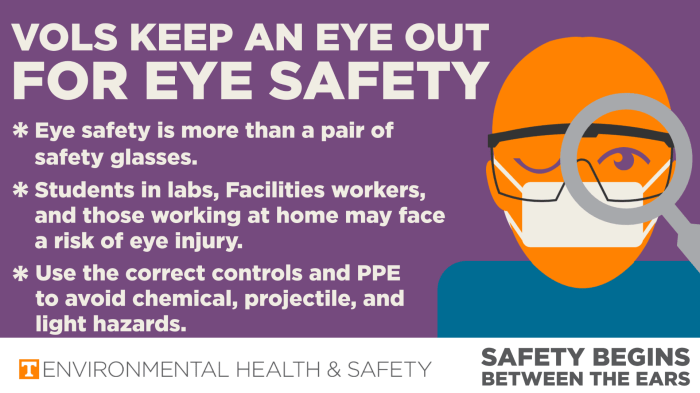
Eye safety is a critical aspect of workplace safety that should not be overlooked. Protecting your eyes while on the job is essential to prevent serious injuries that can have long-term consequences.
Statistics on Workplace Eye Injuries
- According to the U.S. Bureau of Labor Statistics, over 20,000 workplace eye injuries occur each year.
- 75% of these injuries are caused by flying particles or objects striking the eye.
- Construction workers, carpenters, and mechanics are among the most at-risk professions for eye injuries.
Common Causes of Eye Injuries at Work
- Not wearing appropriate eye protection such as safety glasses or goggles.
- Failure to follow safety protocols and using tools or equipment without proper training.
- Exposure to hazardous chemicals or fumes without the use of protective eyewear.
Potential Consequences of Not Prioritizing Eye Safety
- Permanent vision loss or impairment, affecting one’s quality of life both at work and in personal activities.
- Pain and discomfort, leading to decreased productivity and work performance.
- Costly medical bills and potential lawsuits due to workplace negligence.
Wellness Programs
Wellness programs in the workplace play a crucial role in promoting overall health and safety among employees. These programs are designed to encourage healthy habits and prevent injuries, including those related to eye safety.
Benefits of Incorporating Wellness Programs
Implementing wellness programs can lead to a more engaged and motivated workforce. By promoting a culture of health and safety, employees are more likely to prioritize their well-being, leading to reduced absenteeism and increased productivity.
Improving Employee Productivity
Wellness programs can significantly improve employee productivity by reducing stress, increasing energy levels, and enhancing focus. When employees feel supported in their health and well-being, they are more likely to perform at their best.
Types of Wellness Programs for Eye Safety
- Regular Eye Exams: Providing access to vision screenings and eye exams can help employees detect any potential issues early on.
- Ergonomic Assessments: Evaluating workstations and ensuring proper lighting can help reduce eye strain and promote eye health.
- Training and Education: Offering training sessions on eye safety practices and the importance of protective eyewear can prevent workplace injuries.
Examples of Successful Wellness Programs
- Eye Health Awareness Campaigns: Organizing events to raise awareness about common eye conditions and the importance of regular check-ups.
- Safety Eyewear Subsidies: Providing financial assistance for employees to purchase high-quality safety glasses for their protection.
Herbal Remedies
In promoting eye health, herbal remedies play a significant role in providing natural solutions to maintain good vision and prevent eye-related issues.
Specific Herbs for Eye Safety
Various herbs offer benefits for eye safety, including:
- Bilberry:Known for its antioxidant properties that support eye health and reduce eye strain.
- Eyebright:Helps to relieve eye irritation and promote overall eye health.
- Ginkgo Biloba:Improves blood circulation to the eyes and enhances visual function.
Guidelines for Safe Use in the Workplace
When using herbal remedies in the workplace for eye safety, consider the following guidelines:
- Consult a healthcare professional:Before incorporating herbal remedies, seek advice from a healthcare provider.
- Follow recommended dosage:Adhere to the suggested dosage to avoid adverse effects.
- Be aware of allergies:Take note of any allergies to specific herbs to prevent allergic reactions.
Examples of Herbal Remedies for Preventing Eye Strain
Herbal remedies that can help prevent eye strain include:
- Chamomile:Soothes tired eyes and reduces inflammation.
- Lavender:Relieves eye tension and promotes relaxation.
- Fennel:Reduces eye irritation and inflammation.
Skin Health
Maintaining skin health is crucial in the workplace, especially when it comes to eye safety. The skin around the eyes is delicate and can be easily affected by harsh chemicals, UV radiation, and other workplace hazards. Neglecting skin health can lead to various issues, including irritation, inflammation, and even long-term damage to the eyes themselves.
Impact of Skincare Routines on Eye Health
Skincare routines play a significant role in protecting the skin around the eyes and, by extension, ensuring eye safety. Moisturizing, using sunscreen, and avoiding harsh chemicals can help maintain the skin’s elasticity and prevent premature aging. This, in turn, can reduce the risk of eye strain, dryness, and other eye-related problems.
Tips for Protecting the Skin Around the Eyes in the Workplace
- Avoid rubbing or tugging at the skin around the eyes, as this can cause irritation and damage.
- Use protective eyewear to shield the eyes and surrounding skin from harmful substances and UV rays.
- Stay hydrated and eat a balanced diet to promote overall skin health, including the delicate area around the eyes.
Recommendations for Skincare Products Benefitting Eye Safety
- Look for eye creams or serums with antioxidants like Vitamin C to protect against environmental damage.
- Choose gentle cleansers and makeup removers to prevent irritation and maintain the skin’s natural barrier.
- Consider using products with hyaluronic acid or ceramides to hydrate and plump the skin, reducing the appearance of fine lines and wrinkles.
Bone Density
When it comes to eye health, bone density plays a crucial role that is often overlooked. The relationship between bone density and eye safety is more interconnected than one might think. Strong bones provide a solid foundation for the body, including the eye sockets which protect the delicate structures of the eyes.
Impact on Eye Safety
Low bone density can lead to various health issues, including osteoporosis, which weakens the bones and can increase the risk of fractures. This can indirectly affect eye safety as weakened bones may not be able to provide adequate protection to the eyes during accidents or injuries.
Improving Bone Density and Eye Health
- Consume a diet rich in calcium and vitamin D to support bone health and density.
- Engage in weight-bearing exercises like walking, jogging, or dancing to strengthen bones and improve overall health.
- Avoid smoking and limit alcohol intake, as these habits can negatively impact bone density.
Exercises for Bone Density and Eye Safety
- Weightlifting:Strength training exercises using weights or resistance bands can help build bone density and improve muscle strength.
- Yoga:Practicing yoga poses that focus on balance and strength can support both bone health and eye safety.
- Pilates:Pilates exercises target core muscles and can contribute to better bone density and overall body stability.
Muscle Mass
Maintaining adequate muscle mass is crucial for overall health and wellbeing in the workplace, including eye safety. Strong muscles play a significant role in preventing workplace injuries, including those affecting the eyes. By focusing on muscle strength, individuals can enhance their ability to perform tasks safely and reduce the risk of accidents that could harm their eyes.
Importance of Muscle Mass for Eye Safety
Muscle mass is essential for supporting good posture and proper body mechanics while working. When muscles are weak or fatigued, individuals may be more prone to slouching, straining, or making sudden movements that can lead to accidents. In the context of eye safety, maintaining strong muscles can help individuals stay alert, focused, and coordinated, reducing the likelihood of mishaps that could result in eye injuries.
- Performing resistance training exercises, such as weightlifting or bodyweight exercises, can help build muscle mass and strength.
- Incorporating aerobic activities like jogging, cycling, or swimming can also support overall muscle development and enhance endurance.
- Stretching exercises, such as yoga or Pilates, can improve flexibility and prevent muscle imbalances that may contribute to poor posture and increased injury risk.
Tips for Incorporating Muscle-Building Activities into the Workday
One way to promote muscle mass and support eye health simultaneously is to integrate short exercise breaks into the work routine. These breaks can help individuals stay active, reduce stress, and enhance overall physical fitness, including muscle strength.
- Schedule brief workout sessions during breaks or lunchtime, focusing on exercises that target major muscle groups like squats, lunges, push-ups, or planks.
- Use resistance bands or small hand weights at your desk for quick strength-training routines throughout the day.
- Take short walks or engage in stretching exercises to alleviate muscle tension and improve circulation, promoting better muscle health and eye function.
Dental Care
Proper dental care is not only essential for maintaining a healthy smile but also plays a significant role in protecting your eye safety. The connection between dental care and eye health is often overlooked, but they are closely related in maintaining overall well-being.
Impact of Oral Health on Eye Health
Good oral hygiene can help prevent certain health conditions that may indirectly affect your eyes. For example, gum disease has been linked to an increased risk of developing certain eye diseases such as diabetic retinopathy. Additionally, bacteria from dental infections can travel through the bloodstream and potentially cause eye infections or inflammation.
Tips for Maintaining Good Dental Hygiene to Protect Eye Safety
- Brush your teeth at least twice a day and floss daily to prevent gum disease and tooth decay.
- Visit your dentist regularly for check-ups and cleanings to catch any dental issues early.
- Avoid sugary foods and drinks that can contribute to tooth decay and gum disease.
- Use mouthguards during sports activities to prevent dental injuries that could indirectly impact your eyes.
Examples of Dental Issues that Can Affect Eye Health
- Periodontitis: Severe gum disease can lead to inflammation in the body, potentially affecting the eyes.
- Tooth Infections: Untreated dental infections can spread to other parts of the body, including the eyes.
- Oral Cancer: Certain oral cancers can have metastases to the eyes, affecting vision and overall eye health.
Eye Health
Maintaining good eye health is essential for overall well-being, especially in the workplace where visual acuity is crucial for safety and productivity. Here, we will delve into key factors that contribute to good eye health, common eye conditions that can impact workplace safety, tips for optimal eye health maintenance, and the importance of regular eye exams.
Key Factors for Good Eye Health
- Healthy Diet: Consuming foods rich in vitamins A, C, and E, as well as omega-3 fatty acids, can promote eye health.
- Proper Hydration: Staying hydrated is important for maintaining lubrication in the eyes.
- UV Protection: Wearing sunglasses that block harmful UV rays can prevent eye damage.
- Regular Breaks: Taking breaks from staring at screens can reduce eye strain and fatigue.
Common Eye Conditions Impacting Workplace Safety
- Eye Strain: Prolonged screen time or poor lighting can lead to eye strain, affecting focus and productivity.
- Dry Eyes: Insufficient blinking or exposure to dry air can cause dry eyes, leading to discomfort and vision problems.
- Computer Vision Syndrome: Symptoms include headaches, blurred vision, and neck pain due to prolonged computer use.
- Foreign Object Injuries: Particles or chemicals entering the eye can cause irritation or injury, highlighting the need for protective eyewear.
Tips for Optimal Eye Health in the Workplace
- Adjust Lighting: Ensure proper lighting to reduce strain and glare on screens.
- Blink Regularly: Remember to blink frequently to keep eyes moist and prevent dryness.
- Use Proper Eyewear: Wear protective eyewear when handling hazardous materials or operating machinery.
- Follow 20-20-20 Rule: Every 20 minutes, look at an object 20 feet away for at least 20 seconds to reduce eye strain.
Importance of Regular Eye Exams
- Early Detection: Eye exams can identify vision problems or eye conditions early, preventing potential injuries or complications.
- Prescription Updates: Regular exams ensure that your prescription lenses are up-to-date for optimal vision correction.
- Overall Health Monitoring: Eye exams can also reveal underlying health issues such as diabetes or high blood pressure.
- Workplace Safety: By maintaining good eye health through regular exams, you can enhance workplace safety and performance.
Mental Clarity
Maintaining mental clarity is crucial for ensuring eye safety in the workplace. When our minds are clear and focused, we are more likely to pay attention to potential hazards and take necessary precautions to protect our eyes.
Impact of Stress and Fatigue on Eye Health, Importance of eye safety in the workplace
Stress and fatigue can significantly impact eye health by causing strain and discomfort. When we are stressed or tired, our eyes may become dry, irritated, or even blurry, increasing the risk of accidents or injuries at work.
- Stress can lead to increased eye pressure, which may contribute to conditions like glaucoma.
- Fatigue can result in reduced blinking, leading to dry eyes and potential damage to the cornea.
- Both stress and fatigue can affect our ability to focus, increasing the likelihood of eye strain and headaches.
Techniques for Improving Mental Clarity
Improving mental clarity can help enhance eye safety at work by promoting focus and attention to detail. Some techniques to enhance mental clarity include:
- Practice mindfulness meditation to calm the mind and improve concentration.
- Engage in regular physical exercise to boost blood flow to the brain and enhance cognitive function.
- Get an adequate amount of sleep each night to promote mental alertness and reduce the risk of fatigue.
Mindfulness Practices for Eye Health
Mindfulness practices can benefit eye health by reducing stress and promoting relaxation. Examples of mindfulness practices that can benefit eye health include:
Breathing exercises to relax the eye muscles and reduce tension.
Eye yoga exercises to improve focus and flexibility in the eye muscles.
Visualizing calming scenes to reduce stress and promote overall well-being.
Joint Flexibility
Joint flexibility plays a crucial role in preventing eye injuries in the workplace. When joints are stiff or lack range of motion, it can lead to awkward body positions that strain the eyes, increasing the risk of accidents or injuries.
Importance of Joint Health for Eye Safety
Maintaining good joint health is essential for overall eye safety. Flexible joints allow for smooth and natural movements, reducing the likelihood of sudden jerky motions that can strain the eyes. By promoting joint flexibility, employees can prevent eye fatigue and discomfort during long hours of work.
- Engage in regular stretching exercises to improve joint flexibility and reduce the risk of eye strain.
- Focus on stretching the neck, shoulders, and upper back to release tension that can affect eye health.
- Practice eye exercises to complement joint stretches and enhance overall eye health and flexibility.
Tips for Maintaining Flexible Joints in the Workplace
It is important to incorporate simple practices into the work routine to maintain flexible joints and promote eye safety.
- Take short breaks throughout the day to stretch and move around, allowing joints to stay flexible and reducing eye strain.
- Adjust workstations to ensure proper ergonomics, such as proper chair height and monitor distance, to prevent joint stiffness that can impact eye health.
- Stay hydrated and eat a balanced diet rich in nutrients that support joint health, contributing to overall well-being and eye safety.
Digestive Health
When it comes to eye safety in the workplace, digestive health plays a crucial role in overall eye health. The foods we eat and how well our bodies digest them can impact the nutrients available to support our eyes.
Connection between Digestive Health and Eye Safety
Our digestive system is responsible for breaking down the foods we eat into essential nutrients that are then absorbed into our bloodstream. These nutrients play a vital role in maintaining eye health and protecting our eyes from potential hazards in the workplace.
Impact of Diet and Digestion on Eye Health
- Proper digestion ensures that essential nutrients like vitamins A, C, and E reach our eyes, which are crucial for maintaining good vision.
- A diet rich in antioxidants and omega-3 fatty acids can help reduce the risk of eye diseases such as macular degeneration and cataracts.
Dietary Recommendations for Good Eye Health at Work
- Include leafy greens like spinach and kale in your meals to boost your intake of lutein and zeaxanthin, which are beneficial for eye health.
- Eat foods rich in vitamin C, such as citrus fruits and bell peppers, to support the blood vessels in your eyes.
- Opt for sources of omega-3 fatty acids like salmon and walnuts to reduce inflammation and support overall eye health.
Foods Supporting Digestive Health and Eye Safety
| Foods | Benefits |
|---|---|
| Yogurt | Provides probiotics that support gut health, which in turn aids in the absorption of eye-healthy nutrients. |
| Whole grains | Rich in fiber to promote healthy digestion and maintain stable blood sugar levels for optimal eye function. |
| Berries | Contain antioxidants that protect the eyes from oxidative stress and inflammation. |
Detox Process
Detoxification plays a crucial role in maintaining overall health, including eye safety. By eliminating toxins and impurities from the body, detox processes can greatly benefit eye health and prevent potential issues.
Benefits of Detox for Eye Health
- Flushes out harmful toxins that can impact eye function and health.
- Reduces inflammation in the body, including the eyes, which can help alleviate eye strain and discomfort.
- Promotes better circulation, delivering essential nutrients to the eyes for optimal function.
- Aids in reducing oxidative stress, which is a common factor in eye diseases like cataracts and age-related macular degeneration.
Incorporating Detox Practices into Work Routine
- Stay hydrated throughout the day by drinking plenty of water to support the body’s natural detox process.
- Incorporate antioxidant-rich foods like berries, leafy greens, and nuts into your meals to help protect eye health.
- Take short breaks from screen time to give your eyes a rest and prevent digital eye strain.
- Practice deep breathing exercises or meditation to reduce stress levels, which can impact eye health.
Natural Detox Methods for Eye Safety
- Green tea: Packed with antioxidants, green tea can help cleanse the body and support eye health.
- Lemon water: Drinking warm lemon water in the morning can aid in digestion and detoxification, benefiting the eyes.
- Dandelion tea: Known for its detoxifying properties, dandelion tea can help eliminate toxins from the body, including the eyes.
- Nettle tea: Nettle tea is a natural diuretic that can assist in flushing out toxins and promoting eye health.
Blood Pressure
High or low blood pressure can have a significant impact on eye health and safety in the workplace. When blood pressure is not properly regulated, it can lead to various eye conditions such as retinopathy, vision loss, and even increased risk of eye injuries.
Relationship between Blood Pressure and Eye Health
Maintaining healthy blood pressure levels is crucial for good eye health. High blood pressure can cause damage to the blood vessels in the eyes, leading to conditions like hypertensive retinopathy. On the other hand, low blood pressure may result in reduced blood flow to the eyes, affecting vision and increasing the risk of eye strain and fatigue.
Monitoring Blood Pressure for Eye Health
To protect eye health, it is important to regularly monitor blood pressure levels. This can be done at home using a blood pressure monitor or by visiting a healthcare professional for regular check-ups. Keeping track of blood pressure readings can help identify any fluctuations that may impact eye safety.
Lifestyle Changes for Regulating Blood Pressure
Making lifestyle changes can help regulate blood pressure and improve eye safety in the workplace. Some tips include maintaining a healthy diet low in sodium and saturated fats, engaging in regular exercise, managing stress levels, getting an adequate amount of sleep, and avoiding tobacco and excessive alcohol consumption.
These lifestyle modifications can contribute to better blood pressure control and overall eye health.
Heart Rate
Maintaining a healthy heart rate is crucial for overall well-being, including eye safety in the workplace. The heart rate directly impacts the body’s ability to deliver oxygen and nutrients to the eyes, ensuring they function optimally.
Impact of Heart Rate on Eye Safety
A high heart rate can lead to increased pressure in the eyes, potentially causing strain and discomfort. On the other hand, a low heart rate may result in reduced blood flow to the eyes, affecting their ability to function properly.
It is essential to strike a balance and maintain a healthy heart rate to promote good eye health.
Heart Rate Variability and Eye Health
Heart rate variability, the variation in time intervals between heartbeats, plays a significant role in eye health. Optimal heart rate variability indicates a healthy autonomic nervous system, which is crucial for maintaining proper eye function. Irregularities in heart rate variability can impact eye health and overall visual acuity.
Techniques for Maintaining a Healthy Heart Rate
To ensure optimal eye safety, it is essential to practice techniques that promote a healthy heart rate. Deep breathing exercises, meditation, and regular physical activity can help regulate heart rate and improve overall cardiovascular health. Managing stress levels and getting an adequate amount of sleep are also crucial for maintaining a healthy heart rate.
Exercises for Regulating Heart Rate and Improving Eye Health
- Aerobic exercises such as jogging, cycling, or swimming can help improve cardiovascular fitness and regulate heart rate.
- Yoga and tai chi promote relaxation and stress reduction, contributing to a healthier heart rate.
- High-intensity interval training (HIIT) can be beneficial for enhancing heart rate variability and overall cardiovascular health.
- Strength training exercises, like weightlifting, can also support heart health and contribute to optimal eye safety in the workplace.
Health Screenings
Regular health screenings are crucial for maintaining eye safety in the workplace. By undergoing routine screenings, individuals can detect eye-related issues early on, preventing potential complications and ensuring optimal eye health.
Types of Screenings
- Visual Acuity Test: This test measures how well you can see at various distances, helping to identify refractive errors like nearsightedness or farsightedness.
- Eye Pressure Test: Also known as tonometry, this test measures the pressure inside the eye, helping to detect glaucoma.
- Dilated Eye Exam: This comprehensive exam involves dilating the pupils to examine the retina and optic nerve for signs of eye diseases.
Benefits of Early Detection
- Prevent Progression: Early detection of eye issues can prevent them from worsening, leading to better outcomes and preserving vision.
- Treatment Options: Detecting problems early provides more treatment options, reducing the risk of irreversible damage.
- Cost-Efficient: Addressing eye problems at an early stage can be more cost-efficient than dealing with advanced conditions.
Recommendations for Scheduling
- Annual Screenings: Schedule regular eye screenings at least once a year to monitor changes in eye health.
- Risk Factors: Individuals with a family history of eye diseases or certain health conditions may need more frequent screenings.
- Workplace Policies: Employers should encourage and facilitate eye health screenings as part of their workplace wellness programs.
Vaccination Programs
Vaccination programs play a crucial role in promoting eye safety in the workplace by preventing eye-related illnesses. By getting vaccinated, employees can reduce the risk of contracting infections that may affect their eye health.
Recommended Vaccinations for Eye Health
Some of the recommended vaccinations for maintaining good eye health include:
- Flu vaccine: Influenza can lead to eye complications such as conjunctivitis, so getting the flu shot can help prevent such issues.
- Hepatitis B vaccine: Hepatitis B can cause uveitis and other eye problems, so this vaccine is important for overall eye health.
- MMR vaccine: Measles, mumps, and rubella can all result in eye complications if left untreated, making the MMR vaccine essential.
Examples of Vaccination Programs Supporting Eye Safety
Employers can implement vaccination programs to support overall eye safety in the workplace. Some examples include:
- Annual flu vaccination clinics for employees to prevent the spread of influenza and associated eye issues.
- Providing access to hepatitis B vaccines for at-risk employees, such as healthcare workers, to protect against eye-related complications.
- Offering on-site MMR vaccination sessions to ensure employees are protected against measles, mumps, and rubella, reducing the risk of eye problems.
Healthy Habits
Maintaining healthy habits is crucial for ensuring eye safety and overall well-being. Daily routines and habits play a significant role in preserving eye health and preventing potential risks. By making small changes and developing healthy habits, individuals can greatly improve their eye health and reduce the chances of eye-related issues.
Significance of Cultivating Healthy Habits for Maintaining Eye Safety
Developing healthy habits is essential for maintaining eye safety in the workplace and beyond. Consistent practices such as wearing protective eyewear, taking regular breaks from screen time, and staying hydrated can significantly reduce the risk of eye strain, fatigue, and other eye-related problems.
- Wearing protective eyewear: Whether working in a hazardous environment or engaging in recreational activities, wearing safety glasses or goggles can prevent eye injuries and ensure long-term eye health.
- Taking breaks from screen time: Staring at screens for prolonged periods can strain the eyes and lead to digital eye strain. Implementing the 20-20-20 rule (taking a 20-second break every 20 minutes to look at something 20 feet away) can help reduce eye strain and maintain eye health.
- Staying hydrated: Proper hydration is essential for maintaining overall health, including eye health. Drinking an adequate amount of water each day can prevent dry eyes and promote optimal eye function.
Tips for Developing Healthy Habits that Prioritize Eye Safety
To cultivate healthy habits that prioritize eye safety, individuals can follow these tips:
- Establish a routine eye care schedule: Regular eye exams can help detect any potential issues early on and ensure timely treatment.
- Avoid rubbing your eyes: Rubbing the eyes can introduce dirt and bacteria, leading to infections and irritation. Instead, use artificial tears to relieve dryness and itchiness.
- Limit exposure to blue light: Blue light from digital devices can cause eye strain and disrupt sleep patterns. Consider using blue light filters or computer glasses to reduce exposure.
Examples of Small Changes that Can Lead to Significant Improvements in Eye Health
Making small changes to daily habits can have a big impact on eye health. Some examples include:
Increasing intake of foods rich in vitamins A, C, and E, such as carrots, citrus fruits, and nuts, can support eye health and reduce the risk of age-related macular degeneration.
Practicing good hygiene habits, such as washing hands before touching the eyes and removing makeup before bedtime, can prevent eye infections and irritation.
Adjusting the lighting in your workspace to reduce glare and reflections can help prevent eye strain and maintain comfortable vision throughout the day.
Balanced Hormones
Maintaining balanced hormones is crucial for overall health, including eye safety. Hormonal imbalances can have a significant impact on eye health, leading to issues such as dry eyes, blurred vision, and even more serious conditions if left unchecked.
Importance of Hormone Balance for Eye Safety
Ensuring hormonal balance is essential for supporting eye health. Hormones play a key role in regulating various bodily functions, including those that are crucial for maintaining optimal vision. When hormones are imbalanced, it can lead to inflammation, decreased tear production, and other factors that can contribute to eye discomfort and vision problems.
Tips for Promoting Hormone Balance to Support Eye Safety
- Avoid processed foods high in sugar and unhealthy fats, which can disrupt hormone levels.
- Incorporate stress-reducing activities like yoga, meditation, or deep breathing exercises into your daily routine.
- Get regular exercise to help regulate hormone production and improve overall health.
- Ensure you’re getting enough quality sleep, as lack of sleep can impact hormone balance.
Lifestyle Changes for Hormone Regulation and Eye Health
- Include more nutrient-rich foods in your diet, such as leafy greens, berries, and omega-3 fatty acids to support hormone production.
- Stay hydrated by drinking plenty of water throughout the day to help flush out toxins and support hormone balance.
- Avoid exposure to endocrine-disrupting chemicals found in certain plastics, pesticides, and household products.
- Consider consulting with a healthcare provider or specialist to address any underlying hormonal issues that may be impacting your eye health.
Health Coaching
Health coaching plays a crucial role in enhancing eye safety in the workplace by providing personalized support and guidance to employees. Through tailored coaching programs, individuals can prioritize eye health and implement safety measures effectively to prevent injuries and reduce the risk of eye-related issues.
Benefits of Health Coaching for Eye Safety
- Health coaches can educate employees on the importance of regular eye check-ups and safety protocols in the workplace.
- Personalized coaching programs can help employees identify potential hazards that may affect their eye health and provide strategies to mitigate risks.
- Coaches can offer practical tips on proper eye protection, ergonomic adjustments, and healthy habits to maintain optimal eye health.
Successful Health Coaching Initiatives for Eye Safety
- Implementing eye safety workshops and training sessions led by health coaches to raise awareness and educate employees on best practices.
- Creating individualized eye safety plans for employees based on their specific needs and job requirements to ensure proactive measures are taken.
- Offering ongoing support and guidance through coaching sessions to reinforce eye safety habits and monitor progress towards maintaining healthy vision.
Fitness Goals: Importance Of Eye Safety In The Workplace
Regular physical activity and setting fitness goals are essential for overall health and well-being, including eye safety. By maintaining a good level of fitness, individuals can improve their eye health and reduce the risk of eye injuries in the workplace.
Connection Between Fitness Goals and Eye Safety
Regular exercise and physical fitness can improve blood circulation throughout the body, including the eyes. This increased blood flow delivers essential nutrients and oxygen to the eyes, promoting overall eye health and reducing the risk of eye-related issues. Additionally, staying physically active can help improve focus, coordination, and reaction time, which are crucial for preventing accidents that may harm the eyes.
Tips for Setting Realistic Fitness Goals for Eye Safety
- Start with achievable goals: Set small, attainable fitness goals that can be gradually increased over time.
- Combine cardio and strength training: A well-rounded fitness routine that includes both cardiovascular exercises and strength training can benefit overall health, including eye health.
- Stay consistent: Consistency is key when it comes to achieving fitness goals. Create a workout schedule and stick to it to see progress.
- Listen to your body: Pay attention to how your body responds to exercise and adjust your fitness goals accordingly to prevent injuries.
Workplace Fitness Challenges for Eye Health
- Step challenge: Encourage employees to track their daily steps with a fitness tracker and set a collective goal to increase physical activity.
- Deskercise sessions: Introduce short exercise routines that can be done at the desk to reduce eye strain and improve overall fitness levels.
- Healthy snack challenges: Promote healthy eating habits among employees to support their fitness goals and overall well-being, including eye health.
Diet Planning
Maintaining good eye health is crucial for overall well-being, especially in the workplace where eye safety is a top priority. One important aspect of promoting eye safety is through proper diet planning and nutrition.
Importance of Diet Planning for Eye Health
Proper nutrition plays a key role in maintaining optimal eye health. Nutrients like vitamins A, C, and E, as well as antioxidants such as lutein and zeaxanthin, are essential for protecting the eyes from damage and reducing the risk of eye-related issues.
By incorporating a variety of nutrient-rich foods into your diet, you can support your eye health and enhance workplace safety.
- Include leafy greens like spinach and kale, which are rich in lutein and zeaxanthin, to promote eye health.
- Consume foods high in vitamin C, such as citrus fruits and bell peppers, to reduce the risk of cataracts and macular degeneration.
- Integrate sources of vitamin E like almonds and sunflower seeds, which help protect the cells in your eyes from damage.
- Incorporate foods rich in omega-3 fatty acids like salmon and walnuts to support proper tear function and reduce dry eyes.
Health Supplements
Health supplements play a crucial role in promoting eye safety by providing essential nutrients that may be lacking in our diets. These supplements can help fill nutritional gaps and support overall eye health, reducing the risk of eye-related issues.
Guidelines for Choosing the Right Supplements
- Look for supplements that contain key vitamins and minerals such as Vitamin A, C, E, Zinc, and Omega-3 fatty acids which are beneficial for eye health.
- Consult with a healthcare provider or eye care professional before starting any new supplement regimen to ensure it is safe and appropriate for your individual needs.
- Avoid supplements with unnecessary additives or fillers, and opt for high-quality products from reputable brands.
Examples of Supplements for Eye Health
-
Lutein and Zeaxanthin:
These antioxidants can help protect the eyes from harmful blue light and reduce the risk of age-related macular degeneration.
-
Bilberry Extract:
Known for its ability to improve night vision and support overall eye health.
-
Omega-3 Fatty Acids:
Helps reduce inflammation in the eyes and support tear production for better lubrication.
Breathing Techniques
Breathing techniques play a crucial role in enhancing eye safety in the workplace by promoting relaxation and reducing eye strain. Proper breathing can have a significant impact on eye health and overall well-being. Here are some simple breathing exercises that can help reduce eye strain and tips for incorporating mindful breathing practices into your workday.
Benefits of Proper Breathing
- Improved oxygen flow to the eyes, reducing dryness and irritation
- Relaxation of eye muscles, decreasing the risk of eye strain and fatigue
- Enhanced focus and concentration, leading to better visual acuity
- Promotion of overall relaxation and stress reduction, benefiting eye health
Simple Breathing Exercises
- Deep Breathing:Inhale deeply through your nose, hold for a few seconds, then exhale slowly through your mouth. Repeat several times.
- 4-7-8 Technique:Inhale for a count of 4, hold for 7, and exhale for 8. This can help calm the mind and body.
- Alternate Nostril Breathing:Close one nostril with your finger, inhale through the other nostril, then switch and exhale through the opposite nostril. Repeat for a few cycles.
Incorporating Mindful Breathing into Your Workday
- Take short breaks throughout the day to practice deep breathing exercises.
- Set reminders on your phone or computer to prompt you to pause and focus on your breath.
- Combine breathing exercises with stretching or eye relaxation techniques for a holistic approach to eye safety.
- Practice mindfulness during tasks by staying present and aware of your breath and body movements.
Disease Prevention
Preventing diseases is crucial for maintaining eye safety in the workplace. By taking proactive measures to prevent illnesses, you can safeguard your overall eye health and reduce the risk of eye-related issues.
Importance of Disease Prevention for Eye Safety
- Regular Eye Exams: Schedule routine eye exams to detect any potential issues early on.
- Proper Hygiene Practices: Wash your hands frequently to prevent the spread of germs that could lead to eye infections.
- Protective Eyewear: Wear appropriate safety glasses or goggles to shield your eyes from hazardous materials or particles.
Strategies for Disease Prevention in the Workplace
- Implementing Workplace Safety Protocols: Ensure that safety guidelines are in place to prevent accidents that could harm the eyes.
- Promoting Eye Health Awareness: Educate employees about the importance of eye safety and how to prevent common eye conditions.
- Ergonomic Workstations: Create a workspace that is eye-friendly, with proper lighting and computer screen positioning to reduce eye strain.
Pain Management
Effective pain management is crucial for maintaining eye safety in the workplace. When employees experience pain or discomfort in their eyes, it can lead to distractions, decreased focus, and ultimately increase the risk of injuries. Therefore, implementing strategies to manage and alleviate eye strain is essential for a safe and productive work environment.
Techniques for Relieving Eye Strain and Discomfort
- Take regular breaks: Encourage employees to follow the 20-20-20 rule, where every 20 minutes, they look at something 20 feet away for at least 20 seconds to reduce eye strain.
- Adjust lighting: Ensure that workspaces are well-lit but not too bright, as harsh lighting can cause glare and contribute to eye fatigue.
- Use proper ergonomics: Provide employees with ergonomic furniture and equipment to promote proper posture and reduce strain on the eyes and body.
- Stay hydrated: Dehydration can exacerbate eye strain, so remind employees to drink an adequate amount of water throughout the day.
Examples of Ergonomic Solutions for Pain Management in the Workplace
Ergonomic solutions aim to create a work environment that minimizes physical strain and discomfort, including for the eyes.
| Solution | Description |
|---|---|
| Adjustable monitor stands | Allow employees to position their screens at eye level to reduce neck strain and eye fatigue. |
| Anti-glare screens | Help reduce glare and reflections on computer screens, decreasing eye strain and discomfort. |
| Proper seating | Provide ergonomic chairs with lumbar support to maintain good posture and prevent eye and body strain. |
| Regular eye exams | Encourage employees to have their eyes checked regularly to detect any issues early and prevent strain. |
Holistic Treatments
Holistic treatments offer a comprehensive approach to promoting eye safety by addressing not only the symptoms but also the underlying causes of eye issues. By focusing on the mind-body connection and overall well-being, holistic therapies can support eye health in a more holistic way.
Benefits of Holistic Treatments for Eye Safety
- Reduced stress levels: Holistic treatments such as acupuncture or meditation can help reduce stress, which is known to impact eye health negatively.
- Promotion of overall wellness: By improving overall health and immunity, holistic treatments can indirectly support eye health and prevent eye-related complications.
- Individualized approach: Holistic therapies often take into account the unique needs of each individual, offering personalized care that can address specific eye safety concerns.
Alternative Therapies for Eye Safety
- Traditional Chinese Medicine (TCM): Acupuncture and herbal remedies from TCM can be used to treat various eye conditions and promote eye health.
- Ayurveda: Ayurvedic treatments such as Netra Tarpana (eye rejuvenation therapy) can help strengthen and nourish the eyes.
- Homeopathy: Homeopathic remedies can be used to address underlying imbalances that may affect eye safety.
Integrating Holistic Treatments with Traditional Eye Care
- Collaborative approach: Integrating holistic treatments with traditional eye care practices can offer a more comprehensive and well-rounded approach to eye safety.
- Consultation with healthcare providers: It’s essential to consult with healthcare providers before incorporating holistic treatments to ensure they complement existing eye care regimens.
- Combined treatment plans: By combining traditional and holistic therapies, individuals can experience enhanced benefits and improved overall eye health.
Mental Resilience
Maintaining mental resilience is crucial for promoting eye safety in the workplace. The ability to bounce back from challenges and setbacks can help individuals stay focused, alert, and proactive in ensuring their eye health remains a top priority.
Relationship between Stress Management and Eye Health
Stress is often a major contributing factor to eye strain and other vision-related issues. High levels of stress can lead to eye fatigue, blurred vision, and increased sensitivity to light. By effectively managing stress through mental resilience techniques, individuals can reduce the risk of developing eye problems due to prolonged periods of strain.
- Practicing deep breathing exercises can help calm the mind and reduce stress levels, ultimately benefiting eye health.
- Engaging in regular physical activity releases endorphins that can improve mood and alleviate stress, which in turn supports healthy eyesight.
- Setting boundaries and prioritizing tasks can help prevent overwhelm and reduce the likelihood of experiencing stress-related eye issues.
Strategies for Building Mental Resilience
Building mental resilience involves developing coping mechanisms and positive mindset strategies to navigate work-related challenges effectively. By cultivating a resilient mindset, individuals can better manage stress, stay focused, and maintain optimal eye safety in the workplace.
Positive affirmations and self-talk can help shift perspective and build resilience in the face of adversity.
Mindfulness Techniques for Enhancing Mental Resilience
Practicing mindfulness techniques can enhance mental resilience by promoting self-awareness, emotional regulation, and stress reduction. These techniques can be valuable tools for supporting eye safety in the workplace by fostering a sense of calm and clarity in high-pressure situations.
- Meditation: Taking short breaks throughout the day to practice mindfulness meditation can help reset the mind and reduce stress levels.
- Visualization: Visualizing positive outcomes and focusing on the present moment can build mental resilience and improve overall well-being, including eye health.
- Gratitude Journaling: Reflecting on moments of gratitude and positivity can help cultivate a resilient mindset and enhance emotional well-being, which can positively impact eye safety.
Closure
In conclusion, prioritizing eye safety in the workplace is not just a legal requirement but also a moral obligation to ensure the well-being of employees. By implementing proper safety measures and raising awareness about the importance of eye protection, organizations can create a safer and healthier work environment for everyone.
Remember, taking care of your eyes today can prevent potential injuries and vision problems in the future.
Frequently Asked Questions
Why is eye safety crucial in the workplace?
Eye safety is crucial in the workplace to prevent injuries, maintain productivity, and protect employees’ vision.
What are some common causes of eye injuries at work?
Common causes of eye injuries at work include flying debris, chemical splashes, and UV radiation exposure.
What are the potential consequences of not prioritizing eye safety?
Not prioritizing eye safety can lead to serious eye injuries, vision loss, and long-term damage to the eyes.


