How to improve joint flexibility with daily stretches dives into the importance of joint flexibility for overall health and mobility, providing insights on effective stretches and tips for incorporating them into your daily routine.
Explore the benefits of joint flexibility, learn the correct techniques for various stretches, and discover how to monitor progress and adjust your routine for optimal results.
Importance of Joint Flexibility
Joint flexibility plays a crucial role in maintaining overall health and mobility. When our joints are flexible, we can move more freely, perform daily activities with ease, and reduce the risk of injuries.
Benefits of Improving Joint Flexibility
- Enhanced Range of Motion: Increasing joint flexibility allows for a wider range of motion, making movements smoother and more efficient.
- Improved Posture: Flexible joints support better posture, reducing strain on muscles and joints, which can alleviate pain and discomfort.
- Prevention of Injuries: Flexible joints are less prone to injuries like strains and sprains, as they can better adapt to sudden movements or impacts.
Enhanced Athletic Performance
Athletes can benefit greatly from improved joint flexibility. Flexible joints enable better agility, balance, and coordination, enhancing performance in various sports and activities. Additionally, increased flexibility can contribute to faster recovery times and reduced muscle soreness after intense workouts.
Daily Stretches for Improved Joint Flexibility

To enhance joint flexibility, incorporating daily stretching exercises into your routine is crucial. These stretches help increase range of motion, reduce stiffness, and prevent injuries. Below are some effective stretches for various joints in the body along with the correct techniques and recommended duration and frequency.
Neck Stretches
- Neck Rotation: Sit or stand tall, slowly turn your head to one side, hold for 15-30 seconds, and then switch to the other side.
- Neck Side Stretch: Gently tilt your head to one side, bringing your ear towards your shoulder, hold for 15-30 seconds, and repeat on the other side.
Shoulder Stretches
- Shoulder Cross-Body Stretch: Bring one arm across your body and gently press it with the opposite hand, hold for 15-30 seconds, and switch arms.
- Shoulder Extension Stretch: Clasp your hands behind your back, straighten your arms, and lift them slightly, feeling the stretch in your shoulders and chest.
Leg Stretches
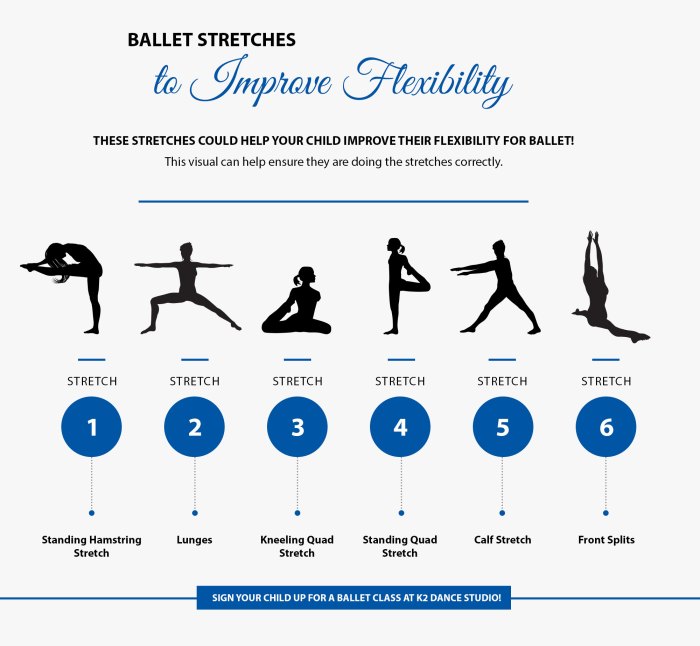
- Hamstring Stretch: Sit on the floor with one leg extended and the other bent, reach towards your toes, holding for 15-30 seconds, and switch legs.
- Quad Stretch: Stand tall, bend one knee, and grab your foot behind you, pulling towards your glutes, hold for 15-30 seconds, and switch legs.
Back Stretches
- Child’s Pose: Kneel on the floor, sit back on your heels, reach your arms forward, and lower your chest towards the ground, feeling a stretch in your back.
- Cat-Cow Stretch: Get on your hands and knees, arch your back up like a cat, then drop your belly down like a cow, moving between the two positions smoothly.
Duration and Frequency
Perform each stretch slowly and hold for 15-30 seconds, repeating 2-3 times on each side. Aim to stretch daily, either in the morning to wake up your body or in the evening to unwind and relax. Consistency is key to improving joint flexibility and overall mobility.
Incorporating Stretching into Daily Routine: How To Improve Joint Flexibility With Daily Stretches
Stretching is a crucial component of maintaining joint flexibility and overall mobility. To make stretching a habit in your daily life, consider the following tips:
Best Times for Stretching
- Start your day with a few minutes of stretching to wake up your muscles and prepare your body for the day ahead.
- Take short stretching breaks throughout the day, especially if you have a sedentary job or lifestyle. This can help prevent stiffness and improve circulation.
- Perform a longer stretching routine in the evening to unwind and relax your muscles before bedtime.
Integrating Stretching into Existing Routines
- Before your workout: Incorporate dynamic stretches as part of your warm-up routine to improve flexibility and reduce the risk of injury.
- After your workout: Include static stretches to help elongate the muscles and improve recovery.
- During breaks at work: Use simple stretches like neck rolls, shoulder stretches, and seated hamstring stretches to combat the effects of sitting for long periods.
Monitoring Progress and Adjusting Stretching Routine
As you continue with your daily stretching routine to improve joint flexibility, it’s essential to track your progress and make adjustments as needed to ensure continued improvement.
Tracking Improvements in Joint Flexibility
- Measure your current range of motion before starting your stretching routine.
- Keep a journal or log of your daily stretches and note any changes or improvements you experience.
- Regularly reassess your flexibility by repeating initial range of motion tests to see how far you have come.
Signs for Adjusting Stretching Routine
- If you no longer feel a stretch during a particular exercise, it may be time to increase the intensity or duration of that stretch.
- Any pain or discomfort during stretching is a sign to dial back the intensity and consult with a healthcare professional if needed.
- Plateaus in progress or decreased flexibility could indicate the need to switch up your routine or incorporate different stretches.
Progressing to Advanced Stretches
- Gradually increase the difficulty of stretches by holding them for longer periods or increasing the intensity gradually.
- Once you feel comfortable with basic stretches, explore more challenging variations to continue challenging your muscles and joints.
- Listen to your body and don’t push yourself too hard too quickly to avoid injury while progressing to advanced stretches.
Combining Stretching with Other Wellness Practices
Stretching is a versatile practice that can be enhanced when combined with other wellness activities. By incorporating stretching into activities such as yoga, Pilates, strength training, and mindfulness practices, you can experience a holistic approach to improving joint flexibility and overall well-being.
Enhancing Joint Flexibility with Yoga and Pilates
- Yoga and Pilates both focus on flexibility, strength, and balance, making them ideal companions to stretching routines.
- The dynamic movements in yoga and Pilates help to lengthen and strengthen muscles, promoting better joint mobility.
- Practicing yoga or Pilates regularly can improve posture, reduce the risk of injuries, and enhance overall flexibility.
Synergy between Stretching and Strength Training
- Combining stretching with strength training can lead to improved joint health and functional movement.
- Stretching helps to maintain muscle elasticity and flexibility, which is crucial for preventing muscle imbalances and joint stiffness.
- Strength training builds muscle mass and supports joint stability, creating a balanced approach to joint health when combined with stretching.
Benefits of Mindfulness Practices with Stretching
- Mindfulness practices such as meditation and deep breathing can enhance the mind-body connection during stretching sessions.
- Being mindful and present while stretching can help reduce stress, improve focus, and promote relaxation, contributing to overall holistic wellness.
- Combining mindfulness practices with stretching can create a sense of calm and centeredness, enhancing the benefits of both practices for mental and physical well-being.
Adapting Stretches for Different Fitness Levels
When it comes to improving joint flexibility through daily stretches, it’s essential to tailor your routine to your current fitness level. By making adjustments based on whether you’re a beginner, intermediate, or advanced individual, you can ensure that you’re safely challenging yourself without risking injury.
Here are some tips on how to adapt stretches for different fitness levels:
Modifications for Beginners
- Start with gentle and basic stretches to gradually introduce your body to the movements.
- Focus on proper form and alignment to avoid strain on muscles and joints.
- Use props like yoga blocks or straps to assist in reaching further during stretches.
- Listen to your body and only go as far as feels comfortable, avoiding any pain or discomfort.
Modifications for Intermediate Individuals
- Incorporate more challenging variations of basic stretches to deepen the stretch gradually.
- Hold stretches for a longer duration to increase flexibility and range of motion.
- Experiment with different stretching techniques, such as dynamic stretching or PNF stretching.
- Focus on breathing deeply and relaxing into the stretches to improve flexibility.
Modifications for Advanced Individuals
- Explore advanced yoga poses or Pilates exercises that target specific muscle groups and joints.
- Increase the intensity of stretches by adding resistance bands or weights to deepen the stretch.
- Incorporate balance challenges into your stretches to improve stability and flexibility simultaneously.
- Work on advanced flexibility goals, such as achieving full splits or backbends, with caution and patience.
Focusing on Targeted Joints for Specific Benefits
When it comes to improving joint flexibility, targeting specific joints can have a significant impact on your overall mobility and performance in various activities or sports. By focusing on key joints, you can alleviate pain or discomfort in those areas and enhance your range of motion.
Here, we will explore some targeted stretches for common areas of tightness or stiffness, such as hips, shoulders, or lower back.
Hip Flexibility
Improving hip flexibility is crucial for activities like running, dancing, or weightlifting. Tight hips can lead to lower back pain and affect your posture. Here are some targeted stretches for hip flexibility:
- Deep Lunge Stretch: Step one foot forward into a lunge position, keeping your back leg straight. Slowly lower your hips towards the ground while keeping your back leg extended. Hold the stretch for 30 seconds and switch sides.
- Pigeon Pose: Start in a plank position and bring one knee towards the same-side wrist. Slide the opposite leg back and lower your hips towards the ground. Hold for 30 seconds and switch sides.
Shoulder Mobility, How to improve joint flexibility with daily stretches
Flexible shoulders are essential for activities like swimming, tennis, or overhead lifting. Targeted stretches for shoulder mobility can help prevent injuries and improve your range of motion:
- Shoulder Cross-Body Stretch: Extend one arm across your body at shoulder height and gently press it towards your chest with the other hand. Hold for 30 seconds and switch sides.
- Shoulder Extension Stretch: Stand tall and clasp your hands behind your back. Straighten your arms and lift them slightly while squeezing your shoulder blades together. Hold for 30 seconds.
Lower Back Relief
Tightness in the lower back can affect your daily activities and cause discomfort during exercises like deadlifts or squats. Incorporating targeted stretches for lower back relief can help alleviate stiffness and improve flexibility:
- Child’s Pose: Start on your hands and knees, then sit back on your heels while reaching your arms forward. Rest your forehead on the ground and hold the stretch for 30 seconds.
- Seated Spinal Twist: Sit on the floor with your legs extended in front of you. Cross one leg over the other and twist your torso towards the bent knee. Hold the stretch for 30 seconds and switch sides.
Integrating Joint Flexibility into Holistic Wellness Programs
Joint flexibility plays a crucial role in holistic wellness and preventive healthcare by enhancing overall mobility, reducing the risk of injuries, and promoting better posture. When incorporated into wellness programs, joint flexibility exercises can have a profound impact on an individual’s physical and mental well-being.
Importance of Joint Flexibility in Holistic Wellness
- Improved joint flexibility contributes to better range of motion, allowing individuals to perform daily activities with ease and efficiency.
- Enhanced flexibility can help prevent muscle imbalances and reduce the likelihood of chronic pain and injuries.
- Increased joint mobility promotes better posture, alignment, and overall body mechanics, leading to a decreased risk of musculoskeletal issues.
Examples of Wellness Programs Emphasizing Joint Flexibility
- Yoga and Pilates classes often focus on improving joint flexibility through a series of stretching exercises and poses.
- Physical therapy programs for rehabilitation after injuries or surgeries often incorporate joint flexibility exercises to restore range of motion and function.
- Certain workplace wellness initiatives include stretching routines to combat the negative effects of prolonged sitting and improve overall employee well-being.
Concluding Remarks
In conclusion, prioritizing joint flexibility through daily stretches not only enhances athletic performance but also contributes to holistic wellness. By combining stretching with other practices and focusing on targeted joints, you can improve your flexibility and overall well-being.
Answers to Common Questions
How often should I stretch to improve joint flexibility?
It is recommended to stretch daily, with a focus on different joints each day to ensure overall flexibility improvement.
Can I overstretch while trying to improve joint flexibility?
Avoid overstretching by listening to your body and gradually increasing the intensity of stretches as your flexibility improves.
Are there specific stretches for tight hips or shoulders?
Yes, there are targeted stretches for common areas of tightness like hips and shoulders to alleviate discomfort and improve flexibility.


