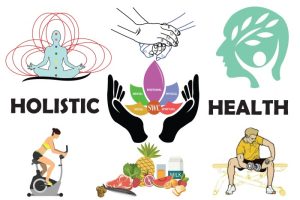
Healthy eating habits for busy professionals encompass more than just food choices; it’s a holistic approach to well-being. From nutritious meals to wellness programs, this topic delves into the essential strategies for maintaining health amidst a hectic schedule.
Explore the interconnected aspects of diet, exercise, and self-care practices that can help professionals thrive in their personal and professional lives.
Importance of Healthy Eating Habits for Busy Professionals
Maintaining healthy eating habits is crucial for busy professionals with hectic schedules as it directly impacts their productivity and overall well-being. By fueling their bodies with nutritious foods, individuals can enhance their focus, energy levels, and mental clarity, allowing them to perform at their best throughout the day.
Impact on Productivity and Well-being
Making nutritious food choices can significantly improve a professional’s productivity by providing sustained energy levels and preventing energy crashes. Additionally, consuming a balanced diet rich in vitamins, minerals, and antioxidants can boost the immune system, reduce the risk of illnesses, and enhance overall well-being.
- Quick and Nutritious Meal Examples:
- Grilled chicken with quinoa and roasted vegetables
- Salmon salad with mixed greens, avocado, and a light vinaigrette dressing
- Greek yogurt with berries and a sprinkle of nuts
Wellness Programs for Busy Professionals
Implementing wellness programs in the workplace can greatly benefit busy professionals by providing support for their health and well-being.
Types of Wellness Programs
- Healthy Eating Workshops: These workshops can educate employees on the importance of nutrition and provide tips for incorporating healthy eating habits into their busy schedules.
- On-Site Fitness Classes: Offering on-site fitness classes can encourage professionals to stay active and prioritize their physical health.
- Mental Health Support: Wellness programs that include mental health support can help busy professionals manage stress and maintain a healthy work-life balance.
Effectiveness of Wellness Initiatives
- Providing Healthy Snack Options: Companies that offer healthy snack options in the workplace can help employees make better food choices throughout the day.
- Financial Incentives for Healthy Habits: Some companies provide financial incentives for employees who engage in healthy behaviors, such as participating in wellness programs or achieving specific health goals.
- Flexible Work Policies: Wellness initiatives that include flexible work policies, such as remote work options or flexible hours, can support professionals in prioritizing their health and well-being.
Success Stories
- John, a busy professional, participated in a company-sponsored healthy eating workshop and learned how to meal prep for the week. As a result, he was able to make healthier food choices and improve his overall well-being.
- Sarah, a working mom, took advantage of her company’s on-site fitness classes and found that regular exercise helped her manage stress and increase her energy levels, allowing her to excel in her career and personal life.
- Michael, a senior executive, utilized the mental health support resources offered by his company and learned valuable stress management techniques that improved his focus and productivity at work.
Herbal Remedies to Support Healthy Eating
When it comes to maintaining a healthy diet, incorporating herbal remedies can be a beneficial addition. Not only do herbs offer a natural way to support digestion and metabolism, but they also provide various health benefits that can contribute to overall well-being.
Herbs and Natural Remedies for Digestion and Metabolism
Herbs such as ginger, peppermint, and fennel are known for their digestive properties. Ginger, in particular, can help with indigestion and nausea, while peppermint can soothe stomach discomfort. Fennel is often used to aid in digestion and reduce bloating. These herbs can be consumed as teas, added to meals, or taken as supplements to support a healthy digestive system.
Benefits of Herbal Supplements for Overall Health
-
Herbal supplements can help improve nutrient absorption, boost immunity, and reduce inflammation in the body.
-
They can also provide antioxidants that protect cells from damage and promote overall well-being.
-
Herbal remedies are often gentler on the body compared to synthetic supplements, making them a natural and safe option for busy professionals looking to enhance their health.
Incorporating Herbal Remedies into Daily Meals
One easy way to include herbal remedies in daily meals is by adding fresh herbs to dishes such as salads, soups, and stir-fries. For example, adding fresh basil to a tomato salad or mint leaves to a fruit smoothie can not only enhance the flavor but also provide additional health benefits.
Herbal teas are another simple way to incorporate herbs into your daily routine, offering a soothing and relaxing experience while supporting your overall health.
Skin Health and Nutrition
Maintaining healthy skin is crucial for busy professionals who are constantly exposed to stress and environmental factors that can impact their skin health. A balanced diet rich in essential nutrients plays a significant role in promoting optimal skin health and overall well-being.
Foods for Healthy Skin
- Fatty Fish: Salmon, mackerel, and sardines are rich in omega-3 fatty acids, which help maintain skin elasticity and hydration.
- Avocados: Packed with healthy fats and antioxidants like Vitamin E, avocados can help protect the skin from damage caused by free radicals.
- Sweet Potatoes: High in beta-carotene, sweet potatoes can contribute to a healthy glow by acting as a natural sunblock.
- Walnuts: These nuts are a good source of essential fatty acids, zinc, and Vitamin E, all of which are beneficial for skin health.
- Broccoli: Rich in Vitamin C, broccoli supports collagen production and helps repair damaged skin cells.
Skincare Routines for Optimal Skin Health
- Stay Hydrated: Drinking an adequate amount of water each day helps keep the skin hydrated and flushes out toxins.
- Protect from the Sun: Use sunscreen daily to prevent premature aging and reduce the risk of skin cancer.
- Cleanse and Moisturize: Develop a skincare routine that includes gentle cleansing and moisturizing to keep the skin clean and hydrated.
- Eat Antioxidant-Rich Foods: Incorporate fruits and vegetables with high antioxidant content to protect the skin from oxidative stress.
- Get Enough Sleep: Quality sleep allows the skin to repair and regenerate, promoting a healthy complexion.
Maintaining Bone Density Through Diet
Maintaining strong bones is crucial for overall health and well-being, especially for busy professionals who may not have the time for regular exercise. A balanced diet plays a significant role in preventing bone density loss and ensuring optimal bone health.
Foods Rich in Calcium and Other Nutrients
- Calcium-rich foods: Incorporate dairy products such as milk, yogurt, and cheese into your meals. Other sources of calcium include leafy green vegetables like kale and broccoli, as well as fortified foods like tofu and orange juice.
- Vitamin D sources: Vitamin D is essential for calcium absorption. Include fatty fish like salmon and mackerel, egg yolks, and fortified cereals in your diet to ensure an adequate intake of this vitamin.
- Magnesium and Vitamin K: Magnesium-rich foods like nuts, seeds, and whole grains, along with vitamin K sources such as spinach, kale, and Brussels sprouts, also contribute to bone health.
Incorporating Bone-Strengthening Foods, Healthy eating habits for busy professionals
- Meal planning: Take the time to plan your meals and snacks, ensuring that you include a variety of bone-strengthening foods throughout the day.
- Healthy swaps: Replace unhealthy snacks with calcium-rich options like yogurt with fruit or a handful of almonds. Choose calcium-fortified foods whenever possible.
- Smoothies and salads: Blend leafy greens, dairy or plant-based milk, and fruits into a nutritious smoothie. Add calcium-rich toppings like cheese or nuts to your salads.
Strategies to Build Muscle Mass with a Busy Schedule
Building muscle mass is essential for overall health and fitness, especially for busy professionals who may have limited time for dedicated workouts. Incorporating protein-rich foods and strength training exercises into a busy schedule can help professionals achieve their muscle-building goals efficiently.
Importance of Protein and Exercise
Protein is crucial for muscle growth and repair, making it essential for building lean muscle mass. Busy professionals should aim to include protein in every meal to support their muscle-building efforts. In addition to a protein-rich diet, regular exercise, especially strength training, is necessary to stimulate muscle growth and development.
- Examples of Protein-Rich Foods:
- 1. Chicken breast
- 2. Salmon
- 3. Greek yogurt
- 4. Quinoa
- 5. Lentils
Quick Workout Routines and Tips
Incorporating strength training into a busy lifestyle can be challenging but is achievable with the right approach. Professionals can try the following tips to make the most of their limited time:
- Focus on compound exercises that target multiple muscle groups simultaneously.
- Utilize bodyweight exercises like push-ups, squats, and planks for quick and effective workouts.
- Try high-intensity interval training (HIIT) to maximize calorie burn and muscle engagement in a short amount of time.
- Schedule short but intense strength training sessions during breaks or before/after work to stay consistent with workouts.
Dental Care Tips for Busy Professionals
Maintaining good dental hygiene is crucial for overall health and well-being. As a busy professional, it can be challenging to prioritize dental care amidst a hectic schedule. However, the connection between diet and oral health is significant, making it essential to incorporate good habits into your routine.
Connection between Diet and Oral Health
- Eating a balanced diet rich in nutrients like calcium, vitamin C, and phosphorus can promote healthy teeth and gums.
- Avoiding sugary and acidic foods can help prevent tooth decay and enamel erosion.
- Drinking plenty of water throughout the day helps wash away food particles and bacteria that can lead to cavities.
Maintaining Good Dental Hygiene Habits
- Brush your teeth at least twice a day with fluoride toothpaste and floss daily to remove plaque and prevent gum disease.
- Consider using a mouthwash to help kill bacteria and freshen your breath when brushing is not possible.
- Carry a travel-sized toothbrush and toothpaste with you for quick touch-ups after meals or snacks.
Importance of Regular Dental Check-ups
- Schedule routine dental check-ups every six months to detect any issues early and prevent potential problems.
- Professional cleanings can remove stubborn plaque and tartar buildup that regular brushing may miss.
- Dental exams can help identify signs of oral diseases or conditions that require treatment to maintain oral health.
Eye Health and Nutritional Support
Maintaining good eye health is crucial, especially for busy professionals who spend long hours in front of screens. By incorporating specific nutrients into your diet and adopting healthy habits, you can prevent vision problems and reduce eye strain.
Nutrients for Eye Health
- Antioxidants such as vitamin C, vitamin E, and beta-carotene help protect the eyes from damage caused by free radicals.
- Omega-3 fatty acids found in fish like salmon and mackerel can reduce the risk of macular degeneration and dry eyes.
- Zinc is essential for maintaining the health of the retina and may help prevent age-related vision loss.
Foods Rich in Eye-Healthy Nutrients
- Leafy green vegetables like spinach and kale are rich in lutein and zeaxanthin, which can lower the risk of developing cataracts and macular degeneration.
- Citrus fruits, bell peppers, and berries are packed with vitamin C, which supports blood vessels in the eyes and reduces the risk of cataracts.
- Nuts, seeds, and whole grains provide vitamin E, which protects cells in the eyes from damage.
Eye Exercises and Habits
- Practice the 20-20-20 rule: Every 20 minutes, look at something 20 feet away for at least 20 seconds to reduce eye strain.
- Blink frequently to keep your eyes moisturized and prevent dryness.
- Avoid rubbing your eyes, as this can cause irritation and potential damage.
Enhancing Mental Clarity Through Nutrition
As a busy professional, maintaining mental clarity and sharpness is crucial for productivity and overall well-being. The relationship between diet and cognitive function plays a significant role in achieving this goal.
Foods to Boost Brain Health
Consuming certain foods can help enhance brain health, focus, and memory. Some key foods to include in your diet for optimal cognitive function are:
- Fatty fish such as salmon, trout, and sardines rich in omega-3 fatty acids that support brain health.
- Blueberries and other berries packed with antioxidants that help improve brain function.
- Nuts and seeds high in vitamin E, which may help prevent cognitive decline.
- Leafy greens like spinach and kale containing nutrients that support brain health.
Mindfulness Practices for Mental Clarity
In addition to consuming brain-boosting foods, incorporating mindfulness practices into your daily routine can further support mental clarity and sharpness. Mindfulness techniques such as meditation, deep breathing exercises, and yoga can help reduce stress, improve focus, and enhance cognitive function.
Improving Joint Flexibility with Diet and Exercise
Maintaining good joint flexibility is essential for busy professionals who spend long hours sitting or standing. A combination of proper diet, stretching exercises, and regular physical activity can help improve joint mobility and reduce stiffness.
Foods for Joint Health
- Include foods rich in omega-3 fatty acids such as salmon, walnuts, and flaxseeds to reduce inflammation in the joints.
- Consuming antioxidant-rich foods like berries, spinach, and kale can help protect joint tissues from damage.
- Incorporate vitamin C sources like oranges, kiwi, and bell peppers to promote collagen formation for healthy joints.
Stretching and Yoga Poses for Joint Mobility
- Practice gentle stretching exercises like neck rolls, shoulder circles, and wrist flexion to improve flexibility in those areas.
- Include yoga poses such as downward dog, child’s pose, and cat-cow stretch to enhance overall joint mobility and reduce stiffness.
- Focus on hip-opening poses like pigeon pose and butterfly stretch to alleviate tightness in the hip joints commonly experienced from prolonged sitting.
Digestive Health and Gut-Friendly Foods
Maintaining a healthy gut is crucial for overall well-being as it plays a significant role in digestion, nutrient absorption, and even immune function. Poor gut health can lead to various health issues, including digestive disorders, inflammation, and weakened immunity.
Foods Promoting Good Digestion and Gut Health
- Eat plenty of fiber-rich foods such as fruits, vegetables, whole grains, and legumes to support healthy digestion and maintain a diverse gut microbiome.
- Incorporate fermented foods like yogurt, kefir, sauerkraut, and kimchi into your diet to introduce beneficial probiotics that aid in digestion and promote gut health.
- Include prebiotic foods like garlic, onions, leeks, bananas, and asparagus to feed the good bacteria in your gut and promote a healthy balance of intestinal flora.
- Stay hydrated by drinking an adequate amount of water throughout the day to support digestion and ensure proper bowel movements.
Creating a Gut-Friendly Meal Plan
- Start your day with a balanced breakfast that includes fiber, protein, and healthy fats to kickstart your metabolism and support digestion.
- Plan your meals around whole, minimally processed foods to provide essential nutrients and promote optimal gut health.
- Avoid excessive intake of refined sugars, artificial sweeteners, and processed foods that can disrupt the balance of gut bacteria and lead to digestive issues.
- Include a variety of colorful fruits and vegetables in your meals to benefit from a wide range of vitamins, minerals, and antioxidants that support digestive health.
Detoxification Process and Dietary Support
Detoxification is a crucial process that helps rid the body of harmful toxins and promotes overall health and well-being. For busy professionals, incorporating periodic detoxing into their routine can be highly beneficial in maintaining optimal health despite their hectic schedules.
Benefits of Periodic Detoxing for Busy Professionals
- Supports liver function: Detoxing helps the liver function more efficiently in filtering out toxins from the body, which is essential for overall health.
- Boosts energy levels: By eliminating toxins, detoxing can help increase energy levels, allowing busy professionals to stay focused and productive throughout the day.
- Enhances mental clarity: Detoxing can improve cognitive function and mental clarity, which is crucial for making informed decisions in a fast-paced work environment.
Foods that Support the Body’s Natural Detoxification Processes
- Leafy greens: Foods like kale, spinach, and arugula are rich in chlorophyll, which helps detoxify the body and support liver function.
- Lemon water: Drinking warm lemon water in the morning can aid in digestion and promote detoxification by flushing out toxins.
- Garlic: Garlic contains sulfur compounds that support the liver in detoxifying harmful substances from the body.
Recipes or Tips for a Gentle Detox Diet
One simple and gentle detox diet that busy professionals can follow is a smoothie cleanse. Incorporating nutrient-dense ingredients like berries, leafy greens, and chia seeds into a daily smoothie can help support the body’s natural detoxification processes. Additionally, drinking plenty of water, herbal teas, and avoiding processed foods can further enhance the detoxification process.
Managing Blood Pressure Through Diet and Lifestyle
Maintaining healthy blood pressure levels is crucial for overall well-being. Diet, stress management, and physical activity play a significant role in managing blood pressure effectively. By making smart choices in your daily routine, you can promote heart health and lower the risk of hypertension.
Foods That Help Regulate Blood Pressure
- Leafy greens like spinach and kale are rich in potassium, a mineral that helps regulate blood pressure levels.
- Fatty fish such as salmon and mackerel are high in omega-3 fatty acids, which can help reduce inflammation and lower blood pressure.
- Berries like blueberries and strawberries are packed with antioxidants that support heart health and may help lower blood pressure.
Lifestyle Changes for Healthy Blood Pressure
- Engage in regular physical activity such as brisk walking, jogging, or cycling to improve cardiovascular health and manage blood pressure.
- Practice stress-reducing techniques like meditation, deep breathing exercises, or yoga to lower stress levels and promote relaxation.
- Avoid excessive salt and processed foods, as high sodium intake can contribute to high blood pressure. Opt for whole foods and season dishes with herbs and spices instead.
Monitoring Heart Rate and Cardiovascular Health
Maintaining a healthy heart rate and monitoring cardiovascular health are crucial for busy professionals who often lead hectic lifestyles. By tracking heart rate and focusing on cardiovascular fitness, individuals can improve their overall health and reduce the risk of heart-related issues.
Benefits of Tracking Heart Rate and Cardiovascular Fitness
Monitoring heart rate during exercise can help individuals gauge the intensity of their workouts and ensure they are working within a safe and effective range. By tracking cardiovascular health, busy professionals can reduce the risk of heart disease, improve stamina, and enhance overall well-being.
- Engage in aerobic exercises such as running, cycling, or swimming to strengthen the heart muscle and improve cardiovascular health.
- Incorporate heart-healthy foods into your diet, such as oily fish, nuts, whole grains, and leafy greens, to support heart function and maintain a healthy heart rate.
- Consider using wearable fitness trackers or smartwatches that monitor heart rate throughout the day and during workouts to keep you informed about your cardiovascular health.
Importance of Health Screenings for Preventive Care
Regular health screenings play a crucial role in preventing diseases and maintaining overall well-being. By detecting potential health issues early on, individuals can take proactive measures to address them before they escalate into more serious conditions.
Recommended Health Screenings for Busy Professionals
- Annual physical exams: These check-ups can help monitor overall health, detect any abnormalities, and provide an opportunity to discuss lifestyle habits with a healthcare provider.
- Blood pressure screenings: Regular monitoring of blood pressure levels can help prevent hypertension and reduce the risk of heart disease.
- Cholesterol screenings: Evaluating cholesterol levels can aid in assessing heart health and identifying potential risks for cardiovascular diseases.
- Diabetes screenings: Testing for diabetes can help in early detection and management of the condition, preventing complications in the long run.
- Cancer screenings: Depending on age and risk factors, professionals may need screenings for breast, cervical, prostate, colon, or skin cancer to detect any abnormalities at an early stage.
Personal Stories Highlighting the Importance of Early Detection
“I never thought I would have high cholesterol at such a young age, but a routine screening revealed it. Thanks to early detection, I was able to make dietary changes and avoid potential heart problems.”
“A routine physical exam led to the discovery of a thyroid issue that could have gone undetected for years. Regular screenings truly saved me from future health complications.”
Vaccination Programs and Immunization for Professionals
Vaccination plays a crucial role in preventing infectious diseases in the workplace, especially for busy professionals who may be constantly exposed to various health risks. By staying up to date with recommended vaccinations, professionals can protect themselves and their colleagues from potential outbreaks and ensure a healthy work environment.
Common Vaccinations for Busy Professionals and Their Benefits
- Seasonal Influenza Vaccine: Protects against the flu virus, reducing the risk of illness and absenteeism during flu season.
- Hepatitis B Vaccine: Guards against hepatitis B infection, which can be transmitted through blood or bodily fluids, common in healthcare settings.
- Tetanus Vaccine: Prevents tetanus, a life-threatening bacterial infection that can enter the body through cuts or wounds.
Vaccination Schedules and Resources for Busy Professionals
- Consult with your healthcare provider to determine the appropriate vaccination schedule based on your age, health conditions, and occupational risks.
- Utilize workplace wellness programs or occupational health services that offer convenient vaccination clinics or resources for busy professionals.
- Explore online tools and apps that help you track your vaccination history and receive reminders for upcoming vaccinations, ensuring you stay protected at all times.
Establishing Healthy Habits for Long-Term Wellness: Healthy Eating Habits For Busy Professionals
Creating healthy habits is essential for busy professionals to prioritize their overall health and well-being. By incorporating simple yet effective strategies into their daily routine, professionals can maintain a balanced lifestyle despite their hectic schedules.
Key Habits for Long-Term Wellness
It is crucial for busy professionals to adopt the following key habits to support their long-term wellness:
- Regular Physical Activity: Incorporating exercise into your daily routine, whether it’s a quick workout session or a brisk walk during breaks, can improve overall health and reduce stress levels.
- Healthy Eating Choices: Opt for nutrient-rich foods like fruits, vegetables, whole grains, and lean proteins to fuel your body and boost energy levels.
- Adequate Sleep: Prioritize quality sleep to recharge your body and mind, promoting optimal performance and cognitive function.
- Stress Management: Practice relaxation techniques, mindfulness, or hobbies to reduce stress and enhance mental well-being.
- Hydration: Stay hydrated throughout the day by drinking water to support bodily functions and maintain energy levels.
Strategies for Sustainable Healthy Habits
Despite a busy schedule, professionals can build sustainable healthy habits by:
- Meal Prepping: Plan and prepare nutritious meals in advance to avoid unhealthy food choices during busy days.
- Schedule Workouts: Block out time in your calendar for exercise sessions to ensure consistency and prioritize physical activity.
- Prioritize Self-Care: Set aside time for relaxation, hobbies, or activities that promote mental and emotional well-being.
Creating a Balanced Routine
A balanced routine that includes healthy eating, exercise, and self-care practices is essential for long-term wellness. By incorporating these elements into your daily schedule, you can maintain a healthy lifestyle despite the demands of a busy professional life.
Balancing Hormones Naturally Through Diet and Lifestyle
When it comes to busy professionals, maintaining hormonal balance is crucial for overall health and well-being. Diet and lifestyle choices play a significant role in regulating hormones and ensuring optimal functioning of the endocrine system.
Impact of Diet on Hormonal Balance
Eating a balanced diet that includes a variety of nutrients is essential for supporting hormonal balance. Foods rich in omega-3 fatty acids, such as salmon and chia seeds, can help reduce inflammation and support hormone production. Including plenty of fruits, vegetables, and whole grains provides essential vitamins and minerals that are necessary for hormone regulation.
Lifestyle Factors for Hormonal Balance
In addition to diet, lifestyle factors also play a crucial role in balancing hormones naturally. Regular exercise, stress management techniques like yoga or meditation, and adequate sleep are important for keeping cortisol levels in check and supporting overall hormonal health.
Holistic Approaches for Hormonal Balance
- Adaptogenic herbs like ashwagandha and rhodiola can help the body adapt to stress and support adrenal health, which is essential for hormonal balance.
- Acupuncture and traditional Chinese medicine practices can also be beneficial in regulating hormonal imbalances and promoting overall well-being.
- Practicing mindfulness and incorporating relaxation techniques into daily routines can help reduce stress levels and support hormonal equilibrium.
Benefits of Health Coaching for Busy Professionals
Health coaching plays a crucial role in helping busy professionals achieve their wellness goals by providing personalized guidance, motivation, and support. These professionals often have hectic schedules and demanding work environments, making it challenging to prioritize their health. Health coaching offers a tailored approach to address individual needs and lifestyle factors, ultimately leading to improved overall well-being.
Role of Health Coaching in Supporting Wellness Goals
Health coaches work closely with individuals to create customized plans that focus on nutrition, exercise, stress management, and other aspects of health. By providing education, accountability, and encouragement, health coaches empower busy professionals to make sustainable lifestyle changes. They help set realistic goals, track progress, and overcome obstacles along the way, leading to long-term success in achieving better health outcomes.
Success Stories of Professionals Benefitting from Health Coaching
Many professionals have experienced positive transformations in their health and well-being through health coaching. For example, individuals have successfully lost weight, improved their energy levels, managed stress more effectively, and enhanced their overall quality of life. These success stories highlight the effectiveness of health coaching in helping busy individuals make meaningful changes that support their health goals.
Tips for Finding a Suitable Health Coach
1. Research credentials and experience
Look for a health coach with relevant certifications, training, and experience working with busy professionals.
2. Consider coaching style
Find a coach whose approach aligns with your preferences and communication style to ensure a good fit.
3. Evaluate compatibility
Schedule an initial consultation to assess the coach-client relationship and determine if the coach understands your needs and goals.
4. Review testimonials and references
Seek feedback from past clients to gauge the effectiveness and reputation of the health coach.
5. Set clear expectations
Communicate your expectations, goals, and preferences upfront to ensure a productive and successful coaching partnership.
Setting and Achieving Fitness Goals with a Busy Schedule
In today’s fast-paced world, busy professionals often struggle to find time for exercise amidst their hectic schedules. However, setting and achieving fitness goals is not impossible with the right approach and mindset.One way for busy professionals to set realistic fitness goals is to start by assessing their current fitness level and determining what they want to achieve.
Whether it’s improving cardiovascular health, building muscle strength, or losing weight, having a clear goal in mind can help stay focused and motivated.Incorporating exercise into a busy schedule can be challenging, but it’s all about prioritizing and making time for physical activity.
This could mean waking up early for a quick workout, utilizing lunch breaks for a brisk walk, or even squeezing in a workout session before bed. Consistency is key, so finding a routine that works for you is essential.
Time-Efficient Workouts and Fitness Plans
When time is limited, opting for high-intensity interval training (HIIT) or circuit training can be effective ways to get a full-body workout in a short amount of time. These workouts combine bursts of intense exercise with short rest periods, maximizing calorie burn and muscle engagement.
- HIIT workouts typically last between 15-30 minutes and can be done with minimal equipment, making them ideal for busy professionals.
- Circuit training involves moving quickly from one exercise to the next, targeting different muscle groups and keeping the heart rate elevated for maximum efficiency.
- Other options include bodyweight exercises, such as push-ups, squats, and lunges, that can be done anywhere without the need for equipment.
Motivational Tips for Staying Committed
Staying committed to fitness goals can be challenging, especially when balancing a busy schedule. Here are some motivational tips to help busy professionals stay on track:
- Set specific and measurable goals to track progress and stay motivated.
- Find a workout buddy or join group fitness classes for accountability and support.
- Reward yourself for achieving milestones, whether it’s a new workout outfit, a massage, or a healthy treat.
- Remember that consistency is key, and even small steps towards your fitness goals are progress.
Planning a Balanced Diet for Busy Professionals
Maintaining a balanced diet is crucial for busy professionals to sustain their energy levels and overall health. Despite hectic schedules, it is possible to achieve nutritional adequacy by following some key principles and incorporating effective meal planning strategies.
Principles of a Balanced Diet
- A balanced diet should include a variety of foods from all food groups, such as fruits, vegetables, whole grains, lean proteins, and healthy fats.
- Aim for portion control to prevent overeating and ensure you are getting the right amount of nutrients without excess calories.
- Stay hydrated by drinking an adequate amount of water throughout the day to support digestion and overall well-being.
- Avoid excessive consumption of processed foods, sugary beverages, and high-fat snacks to maintain a healthy weight and prevent chronic diseases.
Meal Planning Tips for Busy Professionals
- Set aside time each week to plan your meals and snacks, taking into account your schedule and dietary preferences.
- Prepare meals in advance and use batch cooking to save time during the week. Consider using slow cookers or meal prep containers for convenience.
- Opt for simple and quick recipes that require minimal cooking time, such as salads, stir-fries, and smoothies.
- Stock up on healthy staples like nuts, seeds, whole grain bread, and yogurt for easy grab-and-go options when you’re short on time.
Resources for Meal Planning
- Utilize meal planning apps or websites that offer customizable meal plans, grocery lists, and recipes tailored to your dietary needs and preferences.
- Consider consulting a nutritionist or dietitian for personalized guidance on creating a balanced diet that aligns with your health goals and lifestyle.
- Invest in kitchen tools like a food scale, measuring cups, and containers to help portion out meals and snacks accurately.
- Explore online resources, cookbooks, and cooking classes to expand your culinary skills and discover new healthy recipes to incorporate into your meal planning routine.
Incorporating Health Supplements Wisely
Health supplements play a crucial role in filling nutrient gaps for busy professionals who may not always have the time to ensure a well-rounded diet. By choosing the right supplements and incorporating them effectively into their daily routine, professionals can support their overall health and well-being.
Key Supplements for Overall Health
When it comes to choosing supplements to support overall health, some key options include:
- Omega-3 fatty acids: Essential for heart health and brain function.
- Probiotics: To promote gut health and boost immunity.
- Vitamin D: Important for bone health and immune function.
- Magnesium: Helps with muscle function and relaxation.
Guidelines for Choosing and Incorporating Supplements
When selecting and incorporating supplements into your routine, consider the following guidelines:
- Consult a healthcare provider: Before starting any new supplement, it’s important to consult with a healthcare provider to ensure it’s safe and suitable for you.
- Quality matters: Choose reputable brands that undergo third-party testing to ensure quality and purity.
- Follow recommended dosages: Avoid taking more than the recommended dosage unless advised by a healthcare provider.
- Consistency is key: Incorporate supplements into your daily routine consistently to see the best results.
Benefits of Breathing Techniques for Stress Management
Proper breathing techniques can have a significant impact on reducing stress levels and improving overall well-being. By focusing on mindful breathing, busy professionals can enhance their mental clarity, resilience, and productivity.
Examples of Breathing Exercises
- Deep Breathing: Inhale deeply through your nose, expanding your diaphragm, hold for a few seconds, and exhale slowly through your mouth.
- 4-7-8 Technique: Inhale for a count of 4, hold for 7, and exhale for 8, repeating this cycle several times.
- Alternate Nostril Breathing: Close one nostril with your thumb, inhale through the other nostril, then switch and exhale through the opposite nostril.
Tips for Integration
- Start your day with a few minutes of deep breathing to set a positive tone for the day.
- Take short breathing breaks throughout the day to reset and refocus your mind.
- Combine breathing exercises with other mindfulness practices like meditation for enhanced stress relief.
Preventing Diseases Through Lifestyle Choices
Preventing diseases through lifestyle choices is crucial for maintaining long-term health and well-being. By making conscious decisions regarding diet, exercise, and other habits, individuals can significantly reduce their risk of developing chronic illnesses.
Key Risk Factors for Common Diseases and Healthy Habit Solutions
Understanding the key risk factors for common diseases is essential for taking proactive steps towards prevention. By addressing these factors through healthy habits, individuals can greatly reduce their risk of developing serious health conditions.
- Obesity: Maintaining a healthy weight through a balanced diet and regular exercise can help prevent obesity-related diseases such as diabetes, heart disease, and certain types of cancer.
- High Blood Pressure: Adopting a low-sodium diet, engaging in regular physical activity, and managing stress can help lower blood pressure and reduce the risk of heart disease and stroke.
- High Cholesterol: Eating a diet rich in fruits, vegetables, and whole grains while limiting saturated fats and cholesterol can help lower cholesterol levels and protect against heart disease.
- Type 2 Diabetes: Following a well-balanced diet, engaging in regular exercise, and maintaining a healthy weight are key factors in preventing type 2 diabetes and managing blood sugar levels.
Success Stories in Disease Prevention Through Lifestyle Changes
Many individuals have successfully prevented diseases through lifestyle changes, inspiring others to take control of their health. These success stories serve as powerful examples of the impact that healthy habits can have on overall well-being.
“By making small changes to my diet and exercise routine, I was able to lower my cholesterol levels and reduce my risk of heart disease. Taking charge of my health has been truly life-changing.”
“After incorporating more fruits and vegetables into my meals and committing to regular physical activity, I was able to lose weight and significantly reduce my risk of developing type 2 diabetes. Healthy habits have become a priority in my life.”
Managing Pain Naturally with Holistic Treatments
Pain management is a critical aspect of overall well-being, especially for busy professionals who may experience stress and tension in their daily lives. Embracing holistic treatments can offer a natural and effective way to alleviate pain without relying solely on medication.
By incorporating these practices into your routine, you can enhance your quality of life and achieve improved well-being.
Acupuncture and Acupressure
Acupuncture and acupressure are ancient healing techniques rooted in traditional Chinese medicine. Acupuncture involves the insertion of thin needles into specific points on the body to stimulate energy flow and promote pain relief. Acupressure, on the other hand, applies pressure to these same points to achieve similar results.
Both methods can help alleviate pain, reduce inflammation, and improve overall health and wellness.
Herbal Remedies and Supplements
Herbal remedies and supplements can also play a significant role in managing pain naturally. Plants like turmeric, ginger, and chamomile have anti-inflammatory properties that can help reduce pain and discomfort. Additionally, supplements such as omega-3 fatty acids and magnesium can support overall well-being and reduce symptoms of chronic pain conditions.
Yoga and Meditation
Yoga and meditation are powerful practices that can help alleviate physical and emotional pain. Through gentle stretches, breathing exercises, and mindfulness techniques, yoga can improve flexibility, reduce muscle tension, and promote relaxation. Meditation, on the other hand, can calm the mind, reduce stress, and enhance mental clarity, all of which contribute to pain relief and overall well-being.
Massage Therapy
Massage therapy is another holistic treatment that can help manage pain naturally. By manipulating soft tissues and muscles, massage therapists can alleviate tension, reduce inflammation, and promote relaxation. Regular massages can improve circulation, decrease muscle stiffness, and enhance the body’s natural healing processes, leading to long-term pain relief.
Chiropractic Care
Chiropractic care focuses on the alignment of the spine and musculoskeletal system to promote overall health and wellness. Through spinal adjustments, chiropractors can relieve pain, improve mobility, and enhance the body’s ability to heal itself. By addressing the root cause of pain, chiropractic care can provide long-lasting relief and prevent future discomfort.
Building Mental Resilience Through Healthy Habits
Maintaining mental resilience is crucial for busy professionals to navigate the challenges of a fast-paced work environment. Healthy habits such as proper nutrition, regular exercise, and self-care practices play a significant role in enhancing mental resilience and coping with stress effectively.
Strategies for Coping with Stress and Challenges
- Practice mindfulness and meditation to stay present and calm in stressful situations.
- Engage in physical activities like yoga or walking to release tension and boost mood.
- Establish a support system of friends, family, or colleagues to share concerns and seek advice.
- Create boundaries between work and personal life to prevent burnout and maintain a healthy balance.
- Prioritize self-care activities such as adequate sleep, relaxation techniques, and hobbies that bring joy.
Personal Anecdotes of Strengthening Mental Resilience
“After incorporating daily exercise and nutritious meals into my routine, I noticed a significant improvement in my ability to handle work-related stress and bounce back from setbacks.”
“By practicing gratitude and positive affirmations daily, I have cultivated a resilient mindset that helps me stay focused and motivated even during challenging times.”
Last Word
In conclusion, adopting healthy eating habits is not just a choice but a lifestyle that can enhance productivity and overall quality of life. By prioritizing nutrition and well-being, busy professionals can achieve a balanced and fulfilling existence.
FAQs
How can busy professionals incorporate healthy eating habits into their daily routine?
Busy professionals can meal prep, choose nutritious snacks, and prioritize balanced meals to ensure they maintain healthy eating habits despite their hectic schedules.
Are there specific foods that can boost productivity for busy professionals?
Foods rich in omega-3 fatty acids, whole grains, lean proteins, and fruits and vegetables can provide the energy and nutrients needed to enhance productivity and focus.
How important is hydration in conjunction with healthy eating habits?
Staying hydrated is crucial for overall well-being and can complement healthy eating habits by aiding digestion, promoting clear skin, and supporting cognitive function.