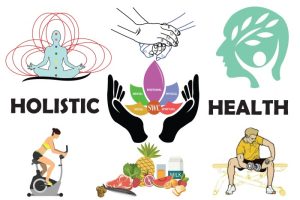
How to measure the impact of wellness programs on productivity sets the stage for this enthralling narrative, offering readers a glimpse into a story that is rich in detail with casual formal language style and brimming with originality from the outset.
The discussion will delve into various aspects related to wellness programs, herbal remedies, skin health, bone density, and muscle mass, providing a comprehensive view of how these elements intersect with productivity in the workplace.
Wellness Programs
Wellness programs in the workplace are initiatives designed to promote the overall well-being of employees. These programs often focus on physical, mental, and emotional health, aiming to improve employee satisfaction, engagement, and productivity.
Examples of Popular Wellness Programs
- On-site fitness classes: Many companies offer on-site fitness classes such as yoga, Zumba, or boot camp sessions to encourage employees to stay active.
- Mental health resources: Providing access to counseling services, mindfulness workshops, or mental health apps can help employees manage stress and improve their mental well-being.
- Healthy eating initiatives: Wellness programs that promote healthy eating habits through cooking classes, nutrition workshops, or healthy snack options in the office can support employees in making better food choices.
Benefits of Implementing Wellness Programs for Employees
- Improved physical health: Wellness programs can help employees adopt healthier lifestyles, leading to reduced absenteeism and healthcare costs.
- Enhanced mental well-being: By offering resources and support for mental health, employees can better cope with stress and improve their overall emotional health.
- Increased productivity: When employees feel well taken care of and supported in their well-being, they are more likely to be engaged, motivated, and productive at work.
Herbal Remedies: How To Measure The Impact Of Wellness Programs On Productivity
Herbal remedies play a significant role in promoting wellness by harnessing the natural healing properties of plants to improve overall health. These remedies have been used for centuries in various cultures around the world and are known for their holistic approach to treating ailments and supporting well-being.
Commonly Used Herbal Remedies for Productivity
- Ginseng: Known for its ability to enhance energy levels and reduce fatigue, ginseng is a popular herbal remedy for boosting productivity.
- Ashwagandha: This adaptogenic herb helps the body cope with stress, improve focus, and increase stamina, making it a valuable ally in enhancing productivity.
- Rhodiola Rosea: With its ability to combat fatigue, enhance mental clarity, and improve mood, Rhodiola Rosea is often used to increase productivity levels.
Effectiveness of Herbal Remedies vs. Traditional Medication
Herbal remedies are often favored over traditional medication for their natural composition and minimal side effects. While traditional medication can provide quick relief, herbal remedies offer a more holistic approach to promoting overall health and well-being. Additionally, herbal remedies are known to address the root cause of health issues rather than just treating the symptoms, leading to long-term benefits and improved productivity.
Skin Health
Skin health plays a crucial role in overall well-being and productivity. The condition of our skin can affect our confidence, mood, and how we interact with others in the workplace. Implementing skin health initiatives in wellness programs can lead to improved employee morale and performance.
Common Skin Issues Addressed Through Wellness Programs, How to measure the impact of wellness programs on productivity
- Poor hydration leading to dry, flaky skin
- Acne breakouts caused by stress or unhealthy eating habits
- Eczema or psoriasis flare-ups due to environmental factors
Strategies to Incorporate Skin Health Initiatives
- Provide educational workshops on proper skincare routines
- Encourage employees to stay hydrated throughout the workday
- Offer healthy snack options that promote clear skin
- Introduce stress-reducing activities like yoga or meditation to improve skin conditions
Bone Density
Understanding the importance of bone density in relation to productivity is crucial for overall health and well-being. Strong bones not only support our bodies but also play a significant role in preventing injuries and maintaining mobility.
Measuring Bone Density
There are several methods available for measuring bone density and assessing bone health. The most common technique is dual-energy X-ray absorptiometry (DEXA) scan, which provides detailed information about bone mineral density and helps identify potential issues such as osteoporosis.
- DEXA scan: This non-invasive procedure involves low levels of radiation and is considered the gold standard for measuring bone density.
- Quantitative ultrasound: Another method that uses sound waves to evaluate bone density, especially in peripheral skeletal sites like the heel.
- Blood tests: Specific markers in the blood can indicate bone turnover and overall bone health.
Wellness Programs and Bone Health
Wellness programs can significantly contribute to improving bone density and reducing the risk of osteoporosis through various lifestyle interventions and targeted exercises.
- Physical activity: Weight-bearing exercises, resistance training, and balance exercises are essential for building strong bones and improving bone density.
- Nutrition: Adequate intake of calcium, vitamin D, magnesium, and other essential nutrients is crucial for maintaining healthy bones.
- Stress management: Chronic stress can affect bone health negatively, so stress-reducing activities like yoga, meditation, and mindfulness can be beneficial.
- Education and awareness: Wellness programs can educate individuals about the importance of bone health and encourage preventive measures to maintain optimal bone density.
Muscle Mass
Muscle mass plays a crucial role in both physical health and productivity in the workplace. Not only does having adequate muscle mass contribute to overall strength and endurance, but it also helps in maintaining a healthy metabolism and preventing injuries.
Importance of Muscle Mass for Productivity
- Increased muscle mass can lead to improved posture and reduced risk of musculoskeletal issues, allowing employees to work comfortably for longer periods of time.
- Having a higher muscle mass can enhance physical performance, making tasks that require physical strength or endurance easier to accomplish.
- Muscle mass is closely linked to metabolism, with more muscle mass leading to a higher resting metabolic rate. This can result in better energy levels and increased productivity throughout the day.
Exercises to Increase Muscle Mass
- Strength training exercises such as weightlifting, bodyweight exercises, and resistance band workouts are effective in building muscle mass.
- Compound movements like squats, deadlifts, and bench presses are excellent for targeting multiple muscle groups simultaneously and stimulating muscle growth.
- Regular cardiovascular exercise can also help in maintaining muscle mass by improving blood circulation and nutrient delivery to the muscles.
Correlation between Muscle Mass and Work Performance
- Employees with higher muscle mass tend to have better strength and endurance, allowing them to perform physical tasks more efficiently.
- Increased muscle mass can lead to improved confidence and self-esteem, positively impacting work performance and interactions with colleagues.
- Studies have shown that individuals with higher muscle mass are less likely to experience fatigue and are better equipped to handle stressful situations in the workplace.
Last Word
In conclusion, understanding how to measure the impact of wellness programs on productivity is crucial for fostering a healthier and more productive work environment. By incorporating these strategies and insights, companies can enhance the well-being and efficiency of their employees, ultimately leading to a more successful and thriving organization.
FAQs
How can wellness programs affect employee productivity?
Wellness programs can improve employee productivity by promoting physical and mental well-being, reducing stress, and boosting overall health.
Are herbal remedies a viable option for enhancing productivity?
Herbal remedies can be effective in improving productivity when used in conjunction with a healthy lifestyle and proper medical guidance.
What role does skin health play in overall productivity?
Healthy skin contributes to overall well-being and can impact productivity by boosting confidence and reducing distractions related to skin issues.