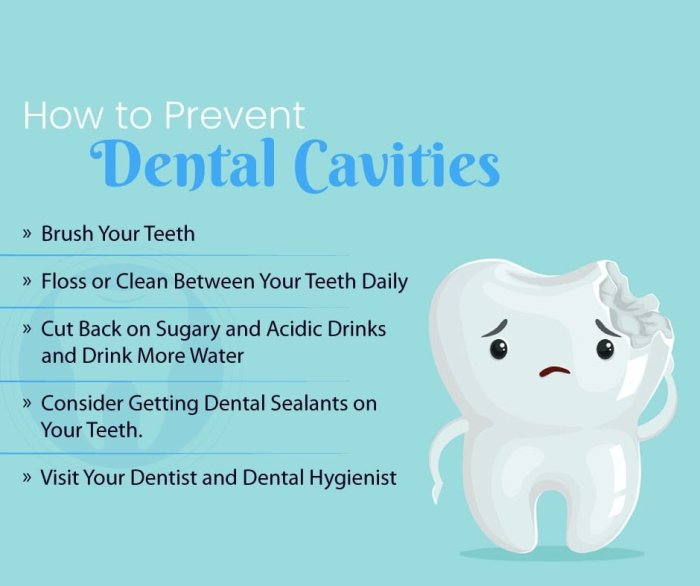
Starting with How to prevent cavities with daily dental hygiene, this introduction aims to grab the readers’ attention and provide a glimpse into the importance of maintaining good oral health through proper hygiene practices.
Exploring the various aspects of dental care and its impact on cavity prevention, this article delves into key strategies and tips for achieving optimal oral health.
Importance of Daily Dental Hygiene
Maintaining daily dental hygiene is crucial for preventing cavities and ensuring overall oral health.
Impact of Poor Oral Hygiene on Dental Health
Poor oral hygiene can lead to a host of dental issues, with cavities being one of the most common problems. When plaque, a sticky film of bacteria, builds up on teeth, it produces acid that attacks tooth enamel. This can eventually result in the formation of cavities, which are decayed areas in the teeth.
Proper Brushing Techniques
Proper brushing techniques are essential to maintaining good oral hygiene and preventing cavities. By following the right steps, you can effectively remove plaque and food particles from your teeth, reducing the risk of tooth decay and gum disease.
Step-by-Step Guide to Brushing Your Teeth
- Start by choosing a soft-bristled toothbrush and fluoride toothpaste.
- Hold your toothbrush at a 45-degree angle to your gums.
- Gently brush back and forth in short strokes, covering all surfaces of your teeth.
- Remember to brush the outer surfaces, inner surfaces, and chewing surfaces of your teeth.
- Don’t forget to brush your tongue to remove bacteria and freshen your breath.
- Brush for at least two minutes, making sure to reach all areas of your mouth.
- Rinse your mouth with water after brushing.
Importance of Brushing in the Morning and Before Bed
Brushing your teeth in the morning helps remove bacteria and plaque that have accumulated overnight. It freshens your breath and prepares you for the day ahead. On the other hand, brushing before bed is crucial to remove food particles and plaque that have built up throughout the day.
It helps prevent cavities and reduces the risk of gum disease while you sleep.
Flossing and Its Role in Preventing Cavities
Flossing plays a crucial role in preventing cavities by removing food particles and plaque from areas that a toothbrush cannot reach. This helps in maintaining good oral hygiene and reducing the risk of tooth decay.
Significance of Flossing
- Flossing helps in removing plaque buildup between teeth, which if left untreated, can lead to cavities.
- It also prevents gum disease by removing bacteria and debris that can cause inflammation and infection.
- Regular flossing promotes fresh breath and contributes to overall oral health.
Tips for Correct Flossing
- Use about 18 inches of floss, winding most of it around your middle fingers and leaving an inch or two to work with.
- Gently slide the floss between your teeth and curve it around the base of each tooth, making sure to go beneath the gumline.
- Use a clean section of floss for each tooth to avoid spreading bacteria.
- Avoid snapping the floss into your gums, as it can cause damage and bleeding.
- Be thorough but gentle to effectively clean between teeth without harming your gums.
Importance of Regular Dental Check-ups: How To Prevent Cavities With Daily Dental Hygiene
Regular dental check-ups play a crucial role in preventing cavities and maintaining good oral health. During these visits, dentists can identify early signs of cavities and other dental issues before they escalate.
Early Detection of Cavities, How to prevent cavities with daily dental hygiene
- Dentists are trained to spot the early signs of cavities that may not be visible to the naked eye.
- Through X-rays and thorough examinations, dentists can detect cavities in their initial stages when they are easier to treat.
Healthy Diet for Dental Health
Eating a balanced and nutritious diet plays a crucial role in maintaining good dental health and preventing cavities. The foods we consume can either promote oral health or contribute to tooth decay, making it essential to be mindful of our diet choices.
Impact of Diet on Dental Health
A diet high in sugar and carbohydrates can lead to the formation of plaque on teeth, which in turn can cause cavities. Additionally, acidic foods and drinks can erode tooth enamel, making them more susceptible to decay. On the other hand, a diet rich in vitamins, minerals, and antioxidants can strengthen teeth and gums, reducing the risk of cavities.
Foods that Promote Good Oral Health
- Fruits and Vegetables: Crunchy fruits and vegetables like apples, carrots, and celery can help clean teeth and stimulate saliva production, which helps neutralize acids in the mouth.
- Dairy Products: Dairy products like cheese, yogurt, and milk are rich in calcium and phosphates, which help strengthen tooth enamel and prevent cavities.
- Lean Proteins: Foods high in protein, such as lean meats, poultry, and fish, contain essential nutrients that promote gum health and overall oral health.
- Water: Drinking water helps wash away food particles and bacteria in the mouth, reducing the risk of cavities.
- Green Tea: Green tea contains compounds that can help fight bacteria in the mouth and reduce the risk of cavities.
Avoiding Sugary and Acidic Foods
Consuming sugary and acidic foods can significantly contribute to the formation of cavities in your teeth. Sugary foods provide a breeding ground for harmful bacteria in the mouth, which produce acids that erode the tooth enamel over time. Additionally, acidic foods can directly weaken the enamel, making it more vulnerable to decay.
Alternatives to Sugary Snacks and Drinks
- Choose fresh fruits like apples, pears, or berries as a healthier, natural alternative to sugary snacks.
- Opt for water or herbal teas instead of sugary drinks like soda or fruit juices.
- Snack on raw vegetables like carrots or celery, which can help clean the teeth and stimulate saliva production to protect against cavities.
Importance of Fluoride in Cavity Prevention
Fluoride plays a crucial role in strengthening teeth and preventing cavities. This mineral helps to rebuild and remineralize tooth enamel, making it more resistant to acid attacks from plaque bacteria.
Role of Fluoride in Strengthening Teeth
Fluoride works by promoting remineralization of tooth enamel, which is the outer layer of the teeth. When we consume sugary or acidic foods, the bacteria in our mouth produce acids that can weaken the enamel. Fluoride helps to replace lost minerals and strengthen the enamel, reducing the risk of cavities.
Fluoride Treatments for Cavity Prevention
Fluoride treatments, such as fluoride varnish or fluoride mouth rinses, can provide extra protection against cavities. These treatments are often recommended by dentists for both children and adults, especially for those at a higher risk of tooth decay. The fluoride helps to strengthen the enamel and make it more resistant to acid attacks, ultimately preventing cavities.
Additional Tips for Cavity Prevention

In addition to daily dental hygiene practices, there are other habits you can incorporate into your routine to help prevent cavities.
Staying Hydrated for Good Oral Health
Drinking an adequate amount of water throughout the day is essential for good oral health. Water helps wash away food particles and bacteria that can lead to cavities. It also helps stimulate saliva production, which plays a crucial role in neutralizing acids in the mouth and protecting teeth.
Conclusion
In conclusion, practicing daily dental hygiene is crucial in preventing cavities and maintaining overall oral health. By following the tips and techniques Artikeld in this guide, you can significantly reduce the risk of developing dental issues and enjoy a healthy, cavity-free smile for years to come.
FAQ Overview
How often should I brush my teeth?
It is recommended to brush your teeth at least twice a day, in the morning and before bed, for optimal cavity prevention.
Is flossing really necessary for preventing cavities?
Yes, flossing plays a crucial role in removing food particles and plaque between teeth that brushing alone cannot reach, thus preventing cavities.
Are there specific foods that can help prevent cavities?
Foods high in calcium, such as dairy products, and crunchy fruits and vegetables that stimulate saliva production can promote good oral health and cavity prevention.


