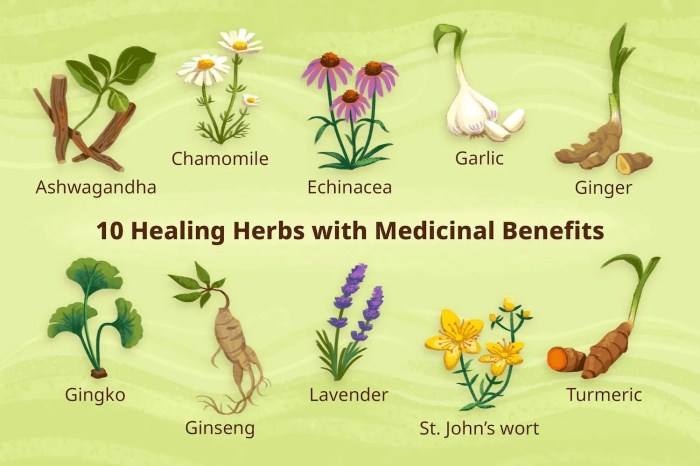
How to incorporate herbal remedies into daily routines sets the stage for this enthralling narrative, offering readers a glimpse into a story that is rich in detail with casual formal language style and brimming with originality from the outset.
The integration of herbal remedies into daily routines can transform the way we approach health and wellness, providing natural solutions to common ailments and promoting overall well-being.
Wellness Programs
Herbal remedies play a significant role in wellness programs by offering natural and holistic approaches to health and well-being. These remedies are often used to support various aspects of wellness, including physical, mental, and emotional health.
Incorporating Herbal Remedies vs. Traditional Approaches
When comparing the incorporation of herbal remedies with traditional wellness approaches, it is essential to note the differences in their methods and effects. Traditional approaches often rely on pharmaceutical medications and medical interventions, while herbal remedies focus on natural ingredients and plant-based solutions.
Herbal remedies are known for their gentle yet effective healing properties, with fewer side effects compared to synthetic medications.
- Herbal remedies promote the body’s natural healing processes, working in harmony with the body’s systems.
- Traditional approaches may sometimes target specific symptoms or conditions, while herbal remedies aim to address the root causes of health issues.
- Herbal remedies are often used preventatively to maintain overall well-being, while traditional approaches are commonly used for treating existing health conditions.
Popular Wellness Programs with Herbal Remedies
There are several popular wellness programs that incorporate herbal remedies as part of their holistic approach to health. These programs often focus on nutrition, exercise, mindfulness, and herbal supplementation to promote overall wellness.
- The Ayurvedic wellness program utilizes herbal remedies based on ancient Indian healing practices to balance the body’s doshas and promote harmony in mind, body, and spirit.
- Traditional Chinese Medicine (TCM) integrates herbal remedies such as ginseng, ginger, and ginkgo biloba into wellness programs to restore the body’s balance of yin and yang energies.
- The Mediterranean diet wellness program emphasizes the use of herbs like oregano, rosemary, and basil in cooking to enhance flavor and provide antioxidant benefits for overall health.
Herbal Remedies
Herbal remedies have been used for centuries to promote overall health and well-being. These natural alternatives offer a variety of benefits compared to conventional medication, including fewer side effects and a more holistic approach to healing.
Key Herbal Remedies
- Echinacea: Known for its immune-boosting properties, echinacea is commonly used to prevent and treat colds and flu.
- Ginger: With anti-inflammatory and digestive benefits, ginger is often used to alleviate nausea and support digestion.
- Turmeric: A powerful anti-inflammatory herb, turmeric can help reduce pain and inflammation in the body.
- Peppermint: Used to soothe digestive issues such as bloating and indigestion, peppermint is a popular herb for gastrointestinal health.
Sourcing High-Quality Herbal Remedies
When incorporating herbal remedies into your daily routine, it’s essential to source high-quality products to ensure effectiveness and safety. Here are some tips for finding reliable herbal remedies:
- Choose reputable brands: Look for well-known brands that prioritize quality and transparency in their products.
- Check for certifications: Seek out herbal remedies that have been certified organic or tested for purity and potency.
- Read reviews: Research customer reviews and feedback to gauge the efficacy of the herbal remedies you’re considering.
- Consult with a professional: If you’re unsure about which herbal remedies to use, consult with a healthcare provider or herbalist for personalized recommendations.
Skin Health
Healthy skin is essential not only for aesthetic reasons but also for overall well-being. Herbal remedies can play a significant role in improving skin health by providing nourishment, hydration, and protection.
Herbs for Healthy Skin
Several herbs are known for their beneficial effects on the skin. Incorporating these herbs into your daily routine can help promote healthy and radiant skin:
- Calendula: Known for its anti-inflammatory and healing properties, calendula can soothe irritated skin and promote faster wound healing.
- Lavender: With its calming and antibacterial properties, lavender can help reduce acne, redness, and inflammation.
- Chamomile: Chamomile has anti-inflammatory and antioxidant properties that can help soothe sensitive skin and reduce redness.
- Rosemary: Rich in antioxidants, rosemary can protect the skin from environmental damage and improve circulation for a healthy glow.
DIY Herbal Skincare Recipes
Creating your own herbal skincare products at home can be a fun and rewarding way to care for your skin. Here are some simple DIY recipes to incorporate into your daily routine:
- Calendula Face Toner:Steep dried calendula flowers in hot water, strain, and use as a refreshing toner to soothe and hydrate the skin.
- Lavender Chamomile Face Mask:Mix dried lavender and chamomile flowers with honey and yogurt to create a calming and nourishing face mask for glowing skin.
- Rosemary Infused Oil:Infuse rosemary leaves in olive oil for a few weeks, strain, and use as a moisturizing body oil to protect and nourish the skin.
Bone Density
When it comes to bone health, incorporating herbal remedies into your daily routine can play a significant role in supporting bone density. These natural remedies can help strengthen bones and reduce the risk of osteoporosis.
Specific Herbs for Bone Health
There are several specific herbs known for their beneficial effects on bone density. Here are some of them:
-
Nettle:
Rich in calcium, magnesium, and other minerals essential for bone health.
-
Horsetail:
Contains silica, which is important for bone formation and strength.
-
Red Clover:
Helps in maintaining bone density due to its high content of isoflavones.
-
Black Cohosh:
Supports bone health by promoting estrogen balance in the body.
Incorporating Herbal Remedies into Daily Routine
Here are some ways you can easily incorporate these herbal remedies into your daily routine to support bone density:
- Include nettle tea or infusion in your daily beverages.
- Take horsetail supplements as recommended by a healthcare provider.
- Add red clover to salads or soups for an additional bone-boosting effect.
- Consider incorporating black cohosh into your daily herbal regimen for overall bone health support.
Muscle Mass
Maintaining and building muscle mass is essential for overall strength and health. Herbal remedies can play a significant role in supporting muscle health and promoting muscle growth naturally.
Herbs for Muscle Health
- Ashwagandha: Known for its adaptogenic properties, ashwagandha can help reduce exercise-induced muscle damage and improve muscle strength.
- Ginger: Ginger has anti-inflammatory properties that can help alleviate muscle soreness and reduce inflammation after workouts.
- Turmeric: With its active compound curcumin, turmeric can help in reducing muscle damage and inflammation, promoting muscle recovery.
- Boswellia: Boswellia extract can help improve joint health and reduce inflammation, supporting overall muscle function.
Herbal Muscle Rubs and Supplements
Try making a homemade muscle rub using a mixture of cayenne pepper, coconut oil, and peppermint essential oil. Apply it to sore muscles for relief.
You can also incorporate herbal supplements like creatine, which is derived from herbs like beets, to support muscle growth and improve exercise performance.
Dental Care
Herbal remedies play a significant role in promoting dental health by providing natural alternatives to conventional oral care products. Incorporating herbal dental care into daily routines can help maintain oral hygiene and prevent various dental issues.
Beneficial Herbs for Oral Hygiene
- Neem: Known for its antibacterial properties, neem helps in fighting off bacteria that cause gum disease and cavities.
- Peppermint: Helps freshen breath and has antimicrobial properties that can reduce bacteria in the mouth.
- Clove: Effective in relieving toothaches and has antiseptic properties that can help with gum infections.
- Tea Tree Oil: Has antibacterial properties that can help reduce plaque and gingivitis.
Natural Remedies for Herbal Dental Care
- Oil Pulling: Swishing coconut or sesame oil in the mouth for 15-20 minutes can help remove toxins and bacteria, promoting oral health.
- Herbal Toothpaste: Using toothpaste made from herbs like neem, peppermint, and clove can provide natural protection for teeth and gums.
- Mouthwash: Creating a mouthwash with diluted tea tree oil or peppermint essential oil can help freshen breath and kill bacteria in the mouth.
- Herbal Chewing Sticks: Chewing on sticks from herbs like neem or licorice can help clean teeth naturally and promote healthy gums.
Eye Health
Herbal remedies can play a significant role in supporting eye health by providing essential nutrients and antioxidants that can protect the eyes from damage and improve vision.
Herbs for Eye Health
There are several herbs known for their beneficial effects on vision and eye health. These herbs can be incorporated into daily routines to promote optimal eye health:
- Bilberry:Known for its antioxidant properties, bilberry can help improve night vision and overall eye health.
- Eyebright:This herb is traditionally used to relieve eye strain and improve vision clarity.
- Ginkgo Biloba:Helps increase blood flow to the eyes and may improve vision in people with glaucoma or macular degeneration.
- Marigold:Contains lutein and zeaxanthin, which are essential for maintaining healthy vision and protecting the eyes from age-related damage.
Incorporating Herbal Eye Health Remedies
It is easy to include herbal remedies for eye health into daily habits. One can make herbal teas with these herbs, take them as supplements, or even use them in topical treatments for the eyes:
- Herbal Eye Tea:Brew a mixture of bilberry, eyebright, and marigold for a soothing and beneficial eye tonic.
- Supplements:Consider taking herbal supplements containing these eye-supporting herbs for added convenience.
- Eye Compress:Infuse a cloth with a herbal tea made from these herbs and use it as a warm compress to soothe tired eyes and reduce puffiness.
Mental Clarity
Herbal remedies can play a significant role in improving mental clarity and focus. They have been used for centuries to enhance cognitive function and support overall brain health.
Herbs for Cognitive Function
There are several herbs known for their ability to boost mental clarity and focus. Some examples include:
- Ginkgo Biloba: Known for improving memory and cognitive function.
- Bacopa Monnieri: Helps enhance memory and concentration.
- Rhodiola Rosea: Reduces mental fatigue and improves focus.
- Ashwagandha: Helps reduce stress and improve cognitive function.
Incorporating Herbal Remedies
Here are some tips on how to easily incorporate these herbal remedies into your daily routine for better mental clarity:
- Include them in your morning routine by adding them to your breakfast smoothie or tea.
- Take them as supplements in capsule form for convenience.
- Brew herbal teas with these cognitive-enhancing herbs and enjoy throughout the day.
- Add them to your cooking by using them as spices or seasonings in your meals.
Joint Flexibility
Maintaining joint flexibility is crucial for overall mobility and quality of life. Herbal remedies can play a significant role in promoting joint health and reducing inflammation, ultimately improving flexibility.
Herbs for Joint Health
- Turmeric: Known for its anti-inflammatory properties, turmeric can help reduce joint pain and stiffness.
- Ginger: Ginger can also help reduce inflammation and improve circulation to the joints.
- Boswellia: This herb has been used for centuries to support joint health and reduce swelling.
Incorporating Herbal Remedies
- Adding turmeric and ginger to smoothies or teas can be a simple way to include these herbs in your daily routine.
- Using topical creams or oils containing boswellia can provide targeted relief for joint discomfort.
- Herbal supplements can also be taken daily to support overall joint health and flexibility.
Digestive Health
Maintaining good digestive health is essential for overall well-being. Herbal remedies can play a significant role in supporting digestion and gut health by soothing digestive issues and promoting a healthy balance of gut flora.
Herbs Beneficial for Digestion and Gut Health
- Peppermint: Known for its calming effect on the stomach, peppermint can help alleviate symptoms of indigestion and bloating.
- Ginger: A powerful anti-inflammatory herb, ginger can aid in digestion by reducing nausea and promoting the movement of food through the digestive tract.
- Chamomile: With its soothing properties, chamomile can help relax the muscles of the stomach and intestines, relieving digestive discomfort.
- Fennel: Fennel seeds can help reduce gas and bloating, as well as stimulate the production of digestive enzymes.
Incorporating Herbal Remedies for Better Digestion
One simple way to incorporate herbal remedies for better digestion into your daily routine is by preparing herbal teas. You can brew a combination of peppermint, ginger, and chamomile for a soothing and digestive-friendly tea. Additionally, adding fresh herbs like fennel to your meals can enhance flavor while supporting digestion.
Detox Process
Herbal remedies play a vital role in supporting the body’s natural detoxification process. By incorporating specific herbs known for their detoxifying properties into your daily routine, you can promote overall health and well-being.
Herbs for Detoxification
- Milk Thistle: Known for its liver-cleansing properties, milk thistle helps to remove toxins and support liver function.
- Dandelion Root: Acts as a natural diuretic, aiding in the elimination of toxins through the kidneys.
- Burdock Root: Supports detoxification by improving lymphatic drainage and blood purification.
- Nettle: Rich in antioxidants, nettle helps to neutralize harmful substances in the body.
- Turmeric: Contains curcumin, which has anti-inflammatory and antioxidant properties, supporting detox pathways.
Blood Pressure
Herbal remedies can play a significant role in managing blood pressure naturally, offering a gentle and effective way to support cardiovascular health. Incorporating these remedies into daily routines can help maintain healthy blood pressure levels and reduce the risk of hypertension-related complications.
Herbs for Regulating Blood Pressure
- Garlic: Known for its ability to lower blood pressure and improve circulation.
- Hawthorn: Helps dilate blood vessels and improve blood flow, reducing strain on the heart.
- Hibiscus: Contains antioxidants that may help lower blood pressure levels.
- Olive Leaf: Has been shown to reduce both systolic and diastolic blood pressure.
Incorporating Herbal Remedies into Daily Routine
One simple way to include herbal remedies for blood pressure management is by brewing herbal teas and enjoying them throughout the day. You can also add these herbs to your meals or take them in supplement form for convenience. Remember to consult with a healthcare professional before incorporating any new herbs into your routine, especially if you are taking medication for blood pressure.
Heart Rate
Herbal remedies can play a significant role in impacting heart rate and overall cardiovascular health. By incorporating specific herbs into your daily routine, you can support a healthy heart rate and promote a strong cardiovascular system.
Herbs for Heart Health
- Hawthorn: Known for its ability to improve circulation and support heart function.
- Ginger: Helps reduce inflammation and improve blood flow, promoting heart health.
- Ginkgo Biloba: Enhances blood circulation and supports overall cardiovascular function.
- Garlic: Known for its ability to lower blood pressure and reduce the risk of heart disease.
Health Screenings
Health screenings play a crucial role in early detection and prevention of various health conditions. Incorporating herbal remedies can further support these screenings and promote overall wellness.
Examples of Herbs for Preventive Health
- Turmeric:Known for its anti-inflammatory properties, turmeric can help reduce inflammation and support overall health.
- Ginger:Ginger is often used to aid digestion and reduce nausea, promoting gastrointestinal health.
- Ginkgo Biloba:This herb is believed to improve cognitive function and support brain health.
Incorporating Herbal Remedies with Health Screenings
By incorporating herbal remedies into daily routines, individuals can take proactive measures to support their health screenings. These remedies can help maintain overall well-being and complement the results of screenings, providing a holistic approach to healthcare.
Vaccination Programs
Incorporating herbal remedies into vaccination programs can help support the immune system and enhance the overall effectiveness of vaccinations. By combining the benefits of herbal remedies with vaccinations, individuals can strengthen their immunity and better protect themselves against various diseases.
Herbs for Immune Support
- Echinacea: Known for its immune-boosting properties, echinacea can help enhance the body’s natural defenses when taken alongside vaccinations.
- Astragalus: This herb is believed to support the immune system and improve the body’s response to vaccines, promoting better protection against infections.
- Garlic: Garlic is rich in antioxidants and has antimicrobial properties that can help strengthen the immune system, making it a valuable addition to vaccination programs.
Incorporating Herbal Remedies
- Consult a healthcare provider: Before incorporating herbal remedies into your vaccination program, it’s important to consult with a healthcare provider to ensure they are safe and appropriate for your individual health needs.
- Timing is key: Consider incorporating herbal remedies a few weeks before receiving vaccinations to allow your body to benefit from their immune-boosting effects.
- Maintain a balanced diet: In addition to herbal remedies, a balanced diet rich in fruits, vegetables, and whole grains can further support your immune system and overall health.
Healthy Habits
Incorporating herbal remedies into daily routines can greatly enhance overall healthy habits by providing natural and holistic support for the body. These remedies can complement a healthy lifestyle by boosting immunity, improving digestion, reducing inflammation, and promoting overall well-being.
Herbs to Complement Healthy Habits
- Turmeric: Known for its anti-inflammatory properties, turmeric can help reduce inflammation in the body and support joint health.
- Ginger: Ginger is great for digestion and can help alleviate nausea, indigestion, and bloating.
- Lavender: This herb is known for its calming effects and can help reduce stress and promote relaxation, which is essential for overall health.
- Echinacea: Echinacea is commonly used to boost the immune system and prevent colds and flu.
- Peppermint: Peppermint is excellent for soothing digestive issues like gas, bloating, and indigestion.
Practical Ways to Include Herbal Remedies in Daily Routines
- Add turmeric to your morning smoothie or tea for an anti-inflammatory boost.
- Sip on ginger tea after meals to aid digestion and reduce bloating.
- Diffuse lavender essential oil in your bedroom at night to promote relaxation and improve sleep quality.
- Take echinacea supplements during cold and flu season to boost your immune system.
- Sip on peppermint tea throughout the day to soothe digestive discomfort.
Balanced Hormones
Incorporating herbal remedies into daily routines can have a significant impact on balancing hormones naturally. Hormones play a crucial role in various bodily functions, including metabolism, mood regulation, and reproductive health. When hormones are imbalanced, it can lead to a range of health issues.
Herbs for Hormone Regulation
- Black Cohosh: Known for its ability to alleviate symptoms of menopause by supporting estrogen balance.
- Maca Root: Helps regulate hormones by nourishing the endocrine system and supporting adrenal function.
- Chasteberry: Supports the pituitary gland in regulating the production of various hormones, particularly progesterone.
Incorporating Herbal Remedies
When it comes to incorporating herbal remedies into your daily routine to support balanced hormones, consistency is key. Here are some tips to help you get started:
- Consult with a healthcare provider or herbalist to determine the right herbs for your specific hormonal needs.
- Start slowly and gradually introduce herbal remedies into your routine to monitor their effects on your body.
- Consider incorporating herbal teas, tinctures, or capsules into your daily regimen for easy consumption.
- Pair herbal remedies with a healthy diet, regular exercise, and stress management techniques for optimal hormone balance.
Health Coaching
Health coaching plays a crucial role in guiding individuals towards achieving their wellness goals through personalized support and education. Herbal remedies are increasingly being integrated into health coaching practices to promote holistic well-being and address various health concerns.
Role of Herbal Remedies in Health Coaching
Herbal remedies are natural plant-based products that have been used for centuries to promote health and healing. Health coaches often incorporate herbal remedies into their programs to complement traditional healthcare practices and provide clients with alternative options for managing their health.
By educating clients on the benefits of herbal remedies and how to use them safely, health coaches empower individuals to take control of their health in a natural and sustainable way.
- Health coaches may recommend herbal supplements to support specific health goals, such as improving immune function, reducing inflammation, or enhancing digestion.
- Herbal teas, tinctures, and essential oils are commonly used by health coaches to promote relaxation, reduce stress, and improve overall well-being.
- Health coaches may also incorporate herbal remedies into lifestyle recommendations, such as suggesting herbal sleep aids for better rest or herbal remedies for skin health.
Integrating Herbal Remedies into Health Coaching Programs
When integrating herbal remedies into health coaching programs, it is important for health coaches to assess each client’s individual needs and health history to determine the most appropriate herbal solutions. By creating personalized wellness plans that incorporate herbal remedies alongside diet, exercise, and other lifestyle modifications, health coaches can help clients achieve optimal health outcomes.
- Health coaches may provide resources and information on herbal remedies, including dosage recommendations, potential side effects, and contraindications.
- Regular follow-ups and monitoring allow health coaches to track the effectiveness of herbal remedies and make adjustments as needed to ensure the best outcomes for their clients.
- By fostering a collaborative relationship with clients, health coaches can empower individuals to make informed decisions about their health and well-being, including the use of herbal remedies.
Fitness Goals
When it comes to achieving fitness goals, incorporating herbal remedies into your daily routine can be a game-changer. These natural remedies can support your overall performance and help you reach your fitness milestones more effectively.
Muscle Recovery and Energy Levels
Herbal remedies can play a key role in aiding muscle recovery and boosting energy levels. Some herbs known for their muscle recovery properties include:
- Arnica:Known for its anti-inflammatory properties, arnica can help reduce muscle soreness and promote faster recovery after intense workouts.
- Turmeric:With its powerful antioxidant and anti-inflammatory effects, turmeric can help reduce muscle damage and improve recovery time.
Incorporating Herbal Remedies into Daily Routines
Integrating herbal remedies into your daily routine can enhance your fitness outcomes in the long run. Here are some tips on how to include herbal remedies in your daily regimen:
- Start your day with a cup of green tea to boost metabolism and energy levels.
- Add adaptogenic herbs like ashwagandha or rhodiola to your smoothies or meals to combat stress and improve endurance.
- Include herbs like ginger or peppermint in your post-workout snacks or meals to aid digestion and reduce inflammation.
Diet Planning
When it comes to diet planning, herbal remedies play a crucial role in providing essential nutrients and promoting overall health. By incorporating herbs into your meals, you can enhance the nutritional value of your diet and support specific dietary needs.
Complementing Specific Dietary Needs
Herbal remedies can complement specific dietary needs by providing additional nutrients and health benefits. Here are some herbs that you can incorporate into your meal plans:
- For immune support: Echinacea and elderberry
- For digestion: Ginger and peppermint
- For energy boost: Ginseng and maca root
- For stress relief: Ashwagandha and chamomile
Incorporating Herbal Remedies into Meal Plans
There are various ways to incorporate herbal remedies into your meal plans for optimal health. You can add fresh herbs to salads, soups, and stir-fries, or infuse them into teas and smoothies. Additionally, you can use herbal supplements or tinctures to ensure you are getting a concentrated dose of beneficial herbs.
Health Supplements
Herbal supplements can be a great addition to your daily routine, providing a natural way to support your overall health and well-being. These supplements are derived from plants and herbs, offering a variety of vitamins, minerals, antioxidants, and other beneficial compounds that can help boost your immune system, improve energy levels, and promote better overall health.
Popular Herbal Supplements and Their Uses
- Milk Thistle: Known for its liver-protecting properties, milk thistle is often used to support liver function and detoxification.
- Turmeric: With its powerful anti-inflammatory and antioxidant properties, turmeric is commonly used to reduce inflammation and promote joint health.
- Ginseng: Ginseng is known for its adaptogenic properties, helping the body adapt to stress and support overall energy levels and mental clarity.
- Echinacea: Often used to boost the immune system and fight off colds and infections, echinacea is a popular herbal supplement during cold and flu season.
Incorporating Herbal Supplements into Daily Routines
- Start by identifying your specific health needs and goals to determine which herbal supplements may be beneficial for you.
- Consult with a healthcare provider or herbalist to ensure the supplements are safe and appropriate for your individual health profile.
- Establish a consistent routine for taking your herbal supplements to maximize their effectiveness, whether it’s with meals or at specific times of the day.
- Monitor your progress and make adjustments as needed to optimize the benefits of herbal supplements for your overall health and well-being.
Breathing Techniques
Breathing techniques play a crucial role in promoting relaxation and overall well-being. Incorporating herbal remedies can further enhance the benefits of these techniques, supporting respiratory health and easing breathing for a more profound sense of calmness.
Herbs for Respiratory Health, How to incorporate herbal remedies into daily routines
- Peppermint: Known for its soothing properties, peppermint can help clear the airways and promote easier breathing.
- Licorice Root: Licorice root has anti-inflammatory effects that can support respiratory health and alleviate congestion.
- Eucalyptus: This herb is commonly used to relieve respiratory issues like coughs and congestion, making breathing more comfortable.
Incorporating Herbal Remedies into Breathing Exercises
- Diffusing essential oils: Use a diffuser with respiratory-supporting essential oils like eucalyptus or peppermint during breathing exercises for added benefits.
- Herbal teas: Enjoying a cup of herbal tea with respiratory herbs before or after breathing exercises can help relax the body and support lung health.
- Aromatherapy inhalers: Portable inhalers infused with herbal blends can be used to enhance breathing techniques on the go for quick relaxation.
Disease Prevention
Herbal remedies play a crucial role in preventive healthcare by helping to strengthen the immune system, reduce inflammation, and fight off harmful pathogens. By incorporating certain herbs into your daily routine, you can boost your body’s defenses against various diseases and maintain optimal health.
Examples of Disease-Fighting Herbs
- Turmeric: Known for its powerful anti-inflammatory and antioxidant properties, turmeric can help combat chronic inflammation and reduce the risk of diseases such as heart disease, cancer, and Alzheimer’s.
- Ginger: Ginger is not only great for digestive health but also has antimicrobial and anti-inflammatory properties that can help ward off infections and lower the risk of chronic diseases.
- Echinacea: This herb is commonly used to support the immune system and prevent respiratory infections like the common cold and flu.
- Garlic: Garlic is a potent antimicrobial and immune-boosting herb that can help reduce the risk of infections and support overall health.
Incorporating Herbal Remedies into Daily Routine
- Start your day with a cup of herbal tea infused with immune-boosting herbs like echinacea, ginger, or elderberry.
- Add fresh herbs like basil, cilantro, or parsley to your meals for added flavor and health benefits.
- Consider taking herbal supplements like turmeric capsules or garlic extract to ensure you’re getting a daily dose of disease-fighting herbs.
- Experiment with herbal remedies in recipes by incorporating herbs like oregano, thyme, or rosemary into your cooking.
Pain Management
Herbal remedies have long been used to naturally manage pain, offering a gentle and effective alternative to conventional medications. By incorporating these remedies into your daily routine, you can experience relief from various types of pain without the risk of harmful side effects.
Herbs with Analgesic or Anti-Inflammatory Properties
- Turmeric: Contains curcumin, which has potent anti-inflammatory properties and can help reduce pain and swelling.
- Ginger: Known for its analgesic properties, ginger can alleviate various types of pain, including muscle soreness and arthritis.
- White Willow Bark: Contains salicin, a compound similar to aspirin, making it effective in reducing pain and inflammation.
- Arnica: Often used topically, arnica can help relieve muscle aches, bruises, and joint pain.
Holistic Treatments
Holistic treatments focus on treating the whole person, addressing physical, mental, emotional, and spiritual aspects of health. Herbal remedies play a significant role in holistic approaches by providing natural solutions to support overall well-being.
Examples of Holistic Treatments with Herbal Remedies
- Herbal teas for relaxation and stress relief: Chamomile, lavender, and lemon balm teas can help calm the mind and promote relaxation.
- Aromatherapy with essential oils: Using essential oils like peppermint, eucalyptus, and lavender can support emotional well-being and reduce anxiety.
- Herbal supplements for immune support: Echinacea, elderberry, and astragalus are known for their immune-boosting properties.
- Herbal skincare products: Natural ingredients like aloe vera, tea tree oil, and calendula can nourish the skin and promote a healthy complexion.
- Herbal remedies for digestive health: Ginger, peppermint, and fennel can aid digestion and relieve symptoms like bloating and indigestion.
Mental Resilience: How To Incorporate Herbal Remedies Into Daily Routines
In today’s fast-paced world, maintaining mental resilience is crucial for overall well-being. Herbal remedies can play a significant role in supporting emotional balance and stress relief, ultimately enhancing mental resilience.Herbs such as ashwagandha, holy basil, and chamomile are known for their calming properties and ability to reduce stress and anxiety levels.
These herbs can help regulate cortisol levels, the stress hormone, and promote a sense of calmness and relaxation.
Herbs for Mental Resilience
- Ashwagandha: Known for its adaptogenic properties, ashwagandha helps the body cope with stress and anxiety, promoting a balanced mood.
- Holy Basil: Also referred to as Tulsi, holy basil is a natural stress reliever that can improve mental clarity and focus.
- Chamomile: Often consumed as a tea, chamomile has calming effects that can reduce anxiety and promote better sleep quality.
Incorporating Herbal Remedies into Daily Routine
- Start your day with a cup of herbal tea containing stress-relieving herbs like chamomile or holy basil.
- Add adaptogenic herbs like ashwagandha to your morning smoothie or oatmeal for a calming start to the day.
- Take herbal supplements containing these herbs to support your mental resilience throughout the day.
- Practice mindfulness techniques such as deep breathing exercises while incorporating herbal remedies to enhance their calming effects.
Epilogue
As we conclude this exploration of incorporating herbal remedies into daily routines, it becomes evident that these natural solutions can significantly enhance our quality of life and contribute to a holistic approach to health.
FAQs
Can herbal remedies interact with medications?
It’s important to consult with a healthcare provider before incorporating herbal remedies, especially if you are taking medications to avoid any potential interactions.
Are herbal remedies safe for children?
While some herbal remedies can be safe for children, it’s crucial to consult with a pediatrician or healthcare provider to ensure the safety and appropriate dosage for kids.
How long does it take to see results from herbal remedies?
The effectiveness of herbal remedies can vary, but consistent use over a few weeks to months is typically needed to experience noticeable results.
Can herbal remedies replace conventional medical treatments?
Herbal remedies can complement traditional medical treatments, but they should not be used as a substitute without consulting a healthcare professional.


