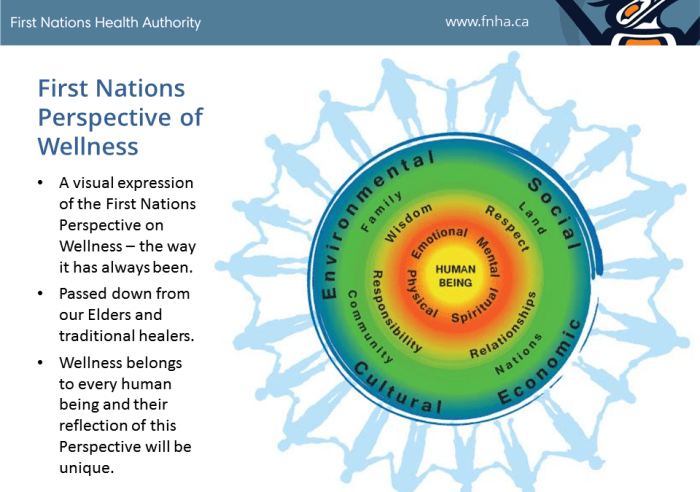
Importance of holistic approaches in wellness programs sets the stage for this enthralling narrative, offering readers a glimpse into a story that is rich in detail with a casual formal language style and brimming with originality from the outset.
Wellness programs play a crucial role in promoting holistic health, encompassing various aspects like herbal remedies, skin health, bone density, muscle mass, and more. This overview delves into the significance of embracing a holistic approach for overall well-being.
Wellness Programs
Wellness programs are designed to promote overall well-being by addressing various aspects of health, including physical, mental, emotional, and spiritual wellness. These programs often incorporate holistic approaches that focus on the interconnectedness of these different aspects to achieve a balanced and healthy lifestyle.
Types of Wellness Programs
- Yoga and Meditation Classes: These programs emphasize mindfulness, stress reduction, and relaxation techniques to improve mental and emotional well-being.
- Nutrition and Weight Management Programs: These programs educate participants on healthy eating habits, exercise routines, and lifestyle changes to enhance physical wellness.
- Stress Management Workshops: These programs teach individuals how to cope with stress, anxiety, and other mental health challenges through techniques such as deep breathing exercises and relaxation practices.
- Corporate Wellness Programs: These initiatives are offered in workplaces to promote employee health and productivity through activities like fitness challenges, health screenings, and mental health resources.
Benefits of Wellness Programs
- Improved Physical Health: Participating in wellness programs can lead to better fitness levels, weight management, and reduced risk of chronic diseases.
- Enhanced Mental Well-being: Holistic approaches in wellness programs can help reduce stress, anxiety, and depression, leading to improved mental clarity and emotional balance.
- Increased Productivity: Employees who engage in corporate wellness programs often experience higher job satisfaction, lower absenteeism, and increased focus and energy levels.
- Community Support: Wellness programs provide a sense of community and support network, fostering connections and relationships that contribute to overall well-being.
Herbal Remedies
Herbal remedies play a significant role in holistic wellness practices by utilizing natural ingredients to promote health and well-being. These remedies have been used for centuries in various cultures around the world for their therapeutic benefits.
Common Herbal Remedies and Benefits
- Peppermint: Known for its calming effects on the digestive system and ability to relieve symptoms of bloating and indigestion.
- Turmeric: Contains anti-inflammatory properties that can help reduce pain and inflammation in conditions like arthritis.
- Lavender: Used for its calming and relaxing effects, promoting better sleep and reducing anxiety and stress.
- Ginger: Effective in alleviating nausea, motion sickness, and improving digestion.
Effectiveness of Herbal Remedies vs. Conventional Medication
Herbal remedies are often favored for their natural composition and minimal side effects compared to conventional medications. While conventional medication may provide quick relief, herbal remedies focus on addressing the root cause of health issues and promoting overall wellness. It is essential to consult with a healthcare professional before incorporating herbal remedies into your wellness routine to ensure their safety and effectiveness.
Skin Health
Maintaining healthy skin is vital not only for aesthetic purposes but also for overall well-being. Holistic approaches play a significant role in achieving and preserving healthy skin by addressing internal imbalances and external factors that impact skin health.
Skincare Routines and Natural Remedies
Implementing a skincare routine that focuses on natural remedies can greatly benefit skin health holistically. Incorporating gentle cleansers, hydrating serums, and moisturizers with natural ingredients like aloe vera, coconut oil, and shea butter can nourish the skin and promote a youthful glow.
Additionally, using natural exfoliants such as sugar scrubs or oatmeal masks can help remove dead skin cells and improve skin texture.
It is essential to remember that what we put on our skin is just as important as what we put into our bodies.
Internal Health and External Skin Appearance Connection
The connection between internal health and external skin appearance is undeniable. A balanced diet rich in vitamins, minerals, and antioxidants can promote healthy skin from the inside out. Foods like fruits, vegetables, and omega-3 fatty acids are known to support skin health by reducing inflammation, promoting collagen production, and protecting against oxidative stress.
- Hydrating the body by drinking an adequate amount of water daily can also improve skin elasticity and overall complexion.
- Reducing stress through practices like meditation, yoga, or deep breathing exercises can help prevent skin conditions exacerbated by stress, such as acne or eczema.
- Getting enough sleep is crucial for skin regeneration and repair, as cell turnover and collagen production peak during restful sleep cycles.
Bone Density
Maintaining optimal bone density is crucial for overall wellness as it plays a significant role in supporting our skeletal structure, protecting internal organs, and enabling mobility. Low bone density can lead to an increased risk of fractures, osteoporosis, and other bone-related issues, affecting our quality of life.
Importance of Nutrition for Bone Health
Proper nutrition is essential for maintaining and improving bone density. Calcium, vitamin D, magnesium, and other nutrients play a vital role in bone health. Including dairy products, leafy greens, nuts, seeds, and fortified foods in your diet can help enhance bone density and strength.
Exercise and Bone Density
Regular physical activity, especially weight-bearing and resistance exercises, can help stimulate bone growth and maintain bone density. Activities like walking, jogging, dancing, and strength training can positively impact bone health. It is crucial to find a balance between impact-loading exercises and rest to support bone remodeling.
Holistic Approaches to Improve Bone Density
Incorporating holistic practices like yoga, tai chi, and Pilates can improve balance, flexibility, and posture, reducing the risk of falls and fractures. Additionally, stress management techniques such as meditation and deep breathing exercises can support overall bone health by minimizing the negative impact of chronic stress on bone density.
Conclusion
Maintaining optimal bone density is essential for overall wellness, and adopting a holistic approach that includes proper nutrition, regular exercise, and stress management can help improve and preserve bone health. By focusing on these aspects, individuals can support their bone density and reduce the risk of bone-related issues in the long run.
Muscle Mass
Building and preserving muscle mass is essential for overall health and wellness. Holistic approaches can play a significant role in achieving this goal by focusing on a combination of exercises, dietary choices, and lifestyle habits that support muscle health.
Exercises for Muscle Health
Regular strength training exercises, such as weight lifting, resistance band workouts, and bodyweight exercises, can help build and maintain muscle mass. Incorporating a variety of exercises that target different muscle groups is important for overall muscle development.
Dietary Tips for Muscle Health
Consuming an adequate amount of protein is crucial for muscle growth and repair. Include lean sources of protein like chicken, fish, tofu, and legumes in your diet. Additionally, eating a balanced diet rich in fruits, vegetables, whole grains, and healthy fats can provide the nutrients needed to support muscle health.
Lifestyle Habits for Muscle Health
Getting enough rest and sleep is essential for muscle recovery and growth. Aim for 7-9 hours of quality sleep each night to support muscle health. Managing stress levels through relaxation techniques like meditation or yoga can also help maintain muscle mass.
Impact of Muscle Mass on Metabolism
Muscle mass plays a key role in metabolism, as muscles require more energy to maintain than fat. By increasing muscle mass through exercise and proper nutrition, you can boost your metabolism and support overall wellness. Additionally, having a higher muscle mass can help prevent age-related muscle loss and maintain mobility as you age.
Dental Care
Maintaining good oral health is essential for overall well-being. Holistic dental care focuses on the connection between oral health and the health of the rest of the body. By taking a natural and comprehensive approach to dental care, individuals can support their overall wellness.
Holistic Dental Care Practices
- Oil Pulling: This ancient Ayurvedic practice involves swishing a tablespoon of oil in your mouth for about 20 minutes to help remove toxins and improve oral health.
- Herbal Mouth Rinses: Using natural ingredients like neem, clove, or tea tree oil in mouth rinses can help reduce bacteria and promote gum health.
- Proper Nutrition: Eating a balanced diet rich in vitamins and minerals can support healthy teeth and gums.
- Stress Management: Stress can impact oral health, so incorporating stress-reducing practices like meditation or yoga can benefit overall dental well-being.
Eye Health
Maintaining good eye health is essential for overall well-being. Our eyes are constantly exposed to various environmental factors and lifestyle habits that can impact their health. Adopting a holistic approach to caring for our eyes can help prevent vision problems and maintain optimal eye health.Exercising the eyes and following a healthy diet are key components of preserving good vision.
Eye exercises, such as focusing on distant objects and rotating the eyes in different directions, can help strengthen eye muscles and improve focus. Additionally, including foods rich in vitamins A, C, and E, as well as omega-3 fatty acids, can support eye health and reduce the risk of age-related vision problems.
Eye Exercises and Dietary Recommendations
- Practice focusing on distant objects and near objects to exercise eye muscles.
- Rotate your eyes in clockwise and counterclockwise directions to improve flexibility.
- Include foods like carrots, leafy greens, citrus fruits, nuts, and fish in your diet for essential eye nutrients.
- Stay hydrated to maintain moisture in the eyes and prevent dryness.
Lifestyle Factors and Eye Health
- Excessive screen time can cause digital eye strain, leading to symptoms like dry eyes, headaches, and blurred vision.
- Take regular breaks from screens, blink frequently, and adjust screen brightness to reduce eye strain.
- Avoid smoking and protect your eyes from harmful UV rays by wearing sunglasses outdoors.
Mental Clarity
Mental clarity is crucial for optimal cognitive function and overall well-being. It allows individuals to focus, make decisions, and process information effectively. Holistic approaches play a significant role in enhancing mental clarity through various techniques and practices.
Mindfulness Techniques
Mindfulness involves being present and fully engaged in the moment, without judgment. This practice can help reduce stress, improve focus, and enhance mental clarity. Techniques such as deep breathing, body scans, and mindful walking can be incorporated into daily routines to promote mental well-being.
Meditation Practices
Meditation is another powerful tool for improving mental clarity. By calming the mind and promoting relaxation, meditation can enhance focus, concentration, and cognitive function. Practices like mindfulness meditation, loving-kindness meditation, and transcendental meditation can be beneficial for mental well-being.
Brain Exercises
Engaging in brain exercises can also sharpen mental clarity and cognitive function. Activities such as puzzles, memory games, and cognitive training programs challenge the brain and promote neural connections. Regular mental stimulation through these exercises can enhance mental acuity and overall brain health.
Joint Flexibility
Maintaining joint flexibility is crucial for overall mobility and wellness. Flexible joints allow for a full range of motion, which is essential for everyday activities and quality of life. When joints are stiff or restricted in movement, it can lead to discomfort, pain, and limitations in performing tasks.
Exercises and Therapies for Improving Joint Flexibility
- Stretching exercises: Regular stretching can help improve flexibility in the joints. Focus on exercises that target the specific joints that need improvement, such as shoulder rolls, knee bends, and wrist circles.
- Yoga poses: Practicing yoga can increase joint flexibility by moving the body through various poses that stretch and strengthen the muscles surrounding the joints. Poses like Downward-Facing Dog, Child’s Pose, and Cat-Cow can be beneficial for joint health.
- Holistic therapies: Therapies like massage, acupuncture, and chiropractic care can also help improve joint flexibility by releasing tension, promoting circulation, and realigning the body.
Impact of Joint Health on Daily Activities
Maintaining healthy joints is essential for carrying out daily activities with ease and comfort. Whether it’s walking, climbing stairs, reaching for items, or engaging in physical activities, flexible joints play a significant role in ensuring smooth and pain-free movement. By prioritizing joint flexibility, individuals can enhance their overall quality of life and independence.
Digestive Health
When it comes to holistic approaches in supporting digestive health and gut function, the focus is on treating the body as a whole rather than just addressing isolated symptoms. This means considering factors such as diet, lifestyle, emotional well-being, and environmental influences.
Dietary Strategies for Digestive Wellness
- Avoid processed foods, refined sugars, and artificial additives, which can disrupt the natural balance of gut bacteria.
- Incorporate fiber-rich foods like fruits, vegetables, whole grains, and legumes to support healthy digestion and regular bowel movements.
Probiotics for Gut Health
- Include probiotic-rich foods like yogurt, kefir, sauerkraut, and kombucha in your diet to promote the growth of beneficial gut bacteria.
- Consider taking a high-quality probiotic supplement to support a healthy balance of gut flora, especially after antibiotic use or digestive issues.
Lifestyle Changes for Improved Digestion
- Practice mindful eating by chewing your food thoroughly, eating at a relaxed pace, and avoiding distractions to aid in proper digestion.
- Manage stress through techniques like deep breathing, meditation, yoga, or regular exercise, as stress can impact gut health.
The Connection Between Digestive Health and Immune Function
The gut plays a crucial role in immune system function, as a large portion of the body’s immune cells are located in the gut lining. A healthy digestive system can help support a strong immune response and overall well-being.
Detox Process

Detoxification is a vital process in holistic wellness that involves eliminating toxins and waste from the body to maintain overall health and well-being. By supporting the body’s natural detox process, we can help improve organ function, boost the immune system, and increase energy levels.
Natural Ways to Support Detox Process
- Hydration: Drinking plenty of water helps flush out toxins and keeps the body hydrated, aiding in the detoxification process.
- Specific Foods: Incorporating foods rich in antioxidants, fiber, and nutrients like fruits, vegetables, whole grains, and lean proteins can support the body’s detoxification pathways.
- Herbal Teas: Herbal teas like dandelion root, ginger, or green tea can aid in liver detoxification and promote overall wellness.
Benefits of Periodic Detox Programs, Importance of holistic approaches in wellness programs
- Improved Digestion: Detox programs can help improve digestion by eliminating toxins and promoting the growth of beneficial gut bacteria.
- Increased Energy: By removing toxins from the body, detox programs can help boost energy levels and reduce feelings of fatigue.
- Weight Management: Detox programs can support weight loss by eliminating excess waste and toxins stored in the body.
- Enhanced Immune Function: By reducing the toxic burden on the body, detox programs can strengthen the immune system and reduce the risk of illness.
Blood Pressure
Maintaining healthy blood pressure levels is crucial for overall well-being. Holistic approaches play a significant role in managing blood pressure effectively by addressing various lifestyle factors.
Lifestyle Modifications
- Engage in regular physical activity to improve cardiovascular health and lower blood pressure.
- Adopt a balanced diet rich in fruits, vegetables, whole grains, and lean proteins to support heart health.
- Limit salt intake to reduce the risk of high blood pressure and related complications.
- Avoid smoking and excessive alcohol consumption, as they can elevate blood pressure levels.
Stress-Reduction Techniques
- Practice relaxation techniques like deep breathing, meditation, and yoga to manage stress and lower blood pressure.
- Engage in activities that promote mindfulness and mental well-being to reduce the impact of stress on blood pressure.
Dietary Changes for Blood Pressure Control
- Incorporate foods rich in potassium, magnesium, and fiber to help regulate blood pressure levels.
- Reduce the consumption of processed and high-fat foods that can contribute to hypertension.
- Monitor and manage weight to prevent the development of high blood pressure.
Heart Rate
Maintaining a healthy heart rate is crucial for overall cardiovascular health. Holistic practices can play a significant role in influencing heart rate variability and promoting a strong and efficient heart.
Benefits of Mindfulness, Breathing Exercises, and Physical Activity
- Mindfulness techniques such as meditation and yoga can help reduce stress levels, which in turn can lower heart rate and improve heart health.
- Practicing deep breathing exercises can help regulate heart rate variability, promoting a more balanced and steady heartbeat.
- Engaging in regular physical activity, such as cardio exercises or strength training, can strengthen the heart muscle and improve overall cardiovascular function.
Tips for Maintaining a Healthy Heart Rate
- Monitor your heart rate regularly, especially during exercise, to ensure you are within a healthy range.
- Aim for at least 150 minutes of moderate-intensity exercise per week to keep your heart healthy and strong.
- Eat a balanced diet rich in fruits, vegetables, whole grains, and lean proteins to support heart health.
- Avoid smoking and limit alcohol consumption to reduce the risk of heart-related issues.
- Practice stress-reducing activities such as mindfulness, yoga, or spending time in nature to promote overall heart health.
Health Screenings
Regular health screenings play a crucial role in holistic wellness programs by enabling early detection of potential health issues and promoting preventive care. These screenings are essential for maintaining overall well-being and improving health outcomes.
Common Health Screenings
- Blood Pressure: Regular monitoring of blood pressure helps in detecting hypertension early on and preventing cardiovascular diseases.
- Cholesterol Levels: Screening for cholesterol levels can identify risks of heart disease and stroke, allowing for timely intervention through lifestyle changes or medications.
- Blood Sugar Levels: Testing for blood sugar levels is important in managing diabetes and preventing complications associated with the disease.
- Cancer Screenings: Regular screenings for various types of cancer, such as breast, cervical, prostate, and colorectal cancer, can lead to early detection and higher chances of successful treatment.
- Bone Density: Screening for bone density helps in assessing the risk of osteoporosis and fractures, especially in postmenopausal women.
Vaccination Programs
Vaccination programs play a crucial role in holistic approaches to disease prevention by boosting immunity and protecting individuals from various illnesses. These programs are essential in maintaining community health and preventing the spread of infectious diseases.
Importance of Vaccinations
- Vaccinations help in building immunity against specific diseases, reducing the risk of infection and transmission within communities.
- By achieving herd immunity through widespread vaccination, vulnerable populations who cannot be vaccinated are also protected.
- Preventive vaccines have significantly reduced the prevalence of deadly diseases like polio, measles, and smallpox.
- Vaccinations contribute to the overall wellness of individuals by preventing serious health complications and reducing healthcare costs associated with treating vaccine-preventable diseases.
Common Misconceptions about Vaccinations
- Some people believe that vaccines can cause autism, despite numerous studies debunking this myth and confirming the safety of vaccines.
- Another misconception is that natural immunity acquired through infection is better than vaccine-induced immunity, ignoring the risks and complications of getting sick from preventable diseases.
- Concerns about vaccine ingredients like thimerosal or preservatives are often raised, but these components have been extensively studied and deemed safe for use in vaccines.
- Misinformation spread through social media and anti-vaccine movements can lead to vaccine hesitancy, compromising community immunity and putting individuals at risk.
Healthy Habits
Maintaining healthy habits is essential for achieving holistic well-being. These habits not only impact our physical health but also play a crucial role in our mental and emotional well-being. By incorporating simple yet effective habits into our daily routines, we can enhance our overall wellness and quality of life.
Key Healthy Habits for Holistic Well-being
- Stay Hydrated: Drink an adequate amount of water throughout the day to support bodily functions and maintain overall health.
- Eat Nutritious Foods: Consume a balanced diet rich in fruits, vegetables, whole grains, and lean proteins to nourish your body and boost immunity.
- Exercise Regularly: Engage in physical activity such as walking, jogging, yoga, or strength training to improve cardiovascular health, muscle tone, and mental clarity.
- Prioritize Sleep: Aim for 7-8 hours of quality sleep each night to allow your body to rest, repair, and rejuvenate for optimal health.
Tips for Cultivating Healthy Habits
- Start Small: Begin by incorporating one healthy habit at a time to avoid feeling overwhelmed and increase the likelihood of long-term success.
- Create a Routine: Establish a daily schedule that includes time for healthy eating, exercise, relaxation, and self-care to make these habits a natural part of your lifestyle.
- Stay Accountable: Share your wellness goals with a friend or family member, join a fitness group, or use a health tracking app to stay motivated and accountable.
Long-term Benefits of Healthy Habits
- Improved Energy Levels: Consistent healthy habits can boost your energy levels, productivity, and overall sense of well-being.
- Enhanced Immunity: A balanced diet, regular exercise, and sufficient sleep can strengthen your immune system and reduce the risk of illness.
- Reduced Stress: Healthy habits such as exercise, mindfulness, and adequate sleep can help lower stress levels and improve mental health.
Balanced Hormones
Maintaining balanced hormones is crucial for overall health and wellness. Hormones play a key role in regulating various bodily functions, including metabolism, mood, energy levels, and reproductive health. An imbalance in hormones can lead to a range of health issues and symptoms, impacting overall well-being.
Holistic Approaches to Hormone Balance
When it comes to balancing hormones, adopting a holistic approach that encompasses diet, exercise, and stress management is essential. Eating a balanced diet rich in nutrients, engaging in regular physical activity, and practicing stress-reducing techniques like meditation and yoga can all contribute to hormone balance.
These lifestyle changes can help support the endocrine system and promote overall hormonal health.
- Include plenty of fruits, vegetables, whole grains, and lean proteins in your diet to support hormonal balance.
- Engage in regular exercise, such as cardio, strength training, and yoga, to help regulate hormone levels.
- Practice stress management techniques like deep breathing, meditation, and mindfulness to reduce cortisol levels and support hormone balance.
Signs of Hormonal Imbalance and Natural Remedies
Signs of hormonal imbalance can vary depending on the specific hormones affected but may include fatigue, weight gain, mood swings, irregular periods, and hair loss. Natural remedies can help restore hormonal balance and alleviate symptoms.
- Herbal supplements like maca root, ashwagandha, and chasteberry can support hormone balance.
- Eating foods rich in omega-3 fatty acids, fiber, and antioxidants can help regulate hormones.
- Getting enough quality sleep and managing stress levels are crucial for hormone balance.
Health Coaching
Health coaching plays a crucial role in holistic wellness programs by providing personalized guidance and support to individuals in achieving their wellness goals. Through a collaborative partnership, health coaches help clients navigate their health journey, make sustainable lifestyle changes, and ultimately improve their overall well-being.
Role of Health Coaching in Holistic Wellness Programs
Health coaching involves empowering individuals to take charge of their health by focusing on their strengths, values, and goals. Coaches work with clients to create personalized action plans, set achievable milestones, and provide ongoing accountability and support. By addressing the physical, emotional, and mental aspects of wellness, health coaches help clients develop a holistic approach to their health and well-being.
Benefits of Personalized Guidance and Accountability in Health Coaching
- Customized Approach: Health coaches tailor their guidance and support to meet the unique needs and preferences of each individual.
- Accountability: Regular check-ins and progress tracking help clients stay motivated and accountable for their actions.
- Education and Empowerment: Health coaches educate clients about healthy lifestyle choices and empower them to make informed decisions about their health.
- Long-term Success: By fostering self-awareness and self-care practices, health coaching promotes long-term behavior change and sustainable wellness outcomes.
Fitness Goals
Setting holistic fitness goals is crucial for achieving overall well-being. By focusing on various aspects of fitness such as strength, flexibility, cardiovascular health, and mental well-being, individuals can create a balanced approach to their wellness journey.
Creating Realistic and Sustainable Goals
When setting fitness goals, it is important to be realistic and sustainable to avoid burnout or disappointment. Here are some strategies to help you create goals that you can stick to:
- Start small and gradually increase intensity or duration to prevent injury and build endurance.
- Set specific and measurable goals, such as running a certain distance or lifting a particular weight.
- Consider your schedule and lifestyle when planning your workout routine to ensure consistency.
- Track your progress regularly to stay motivated and make adjustments as needed.
Incorporating Different Types of Exercises
For a holistic fitness routine, it is essential to incorporate a variety of exercises to target different muscle groups, improve flexibility, and enhance overall fitness levels. Here are some tips for diversifying your workout routine:
- Include cardiovascular exercises like running, cycling, or swimming to improve heart health and endurance.
- Incorporate strength training exercises using weights or resistance bands to build muscle mass and increase metabolism.
- Add flexibility exercises such as yoga or Pilates to improve range of motion and prevent injuries.
- Include activities that promote mental well-being, such as meditation, mindfulness, or outdoor walks to reduce stress and improve overall mood.
Diet Planning
When it comes to promoting overall health, holistic diet planning plays a crucial role in ensuring that the body receives the necessary nutrients to function optimally. A balanced and nutritious meal plan can have a significant impact on various aspects of health, including energy levels and immunity.
The Role of Holistic Diet Planning
Holistic diet planning involves considering not just the caloric intake, but also the quality of the food consumed. By focusing on whole, nutrient-dense foods, individuals can provide their bodies with the essential vitamins, minerals, and antioxidants needed for overall wellness.
- Include a variety of fruits, vegetables, whole grains, lean proteins, and healthy fats in your diet to ensure you are getting a wide range of nutrients.
- Avoid processed and sugary foods, as they can lead to inflammation and negatively impact your health.
- Stay hydrated by drinking plenty of water throughout the day to support digestion and overall bodily functions.
Impact of Diet on Health
Your diet can influence various aspects of your health, from your energy levels to your immune system. By focusing on a balanced and nutritious meal plan, you can support your body in functioning at its best.
Remember, food is not just fuel for your body; it is information that can impact your gene expression and overall health.
Health Supplements
Health supplements play a vital role in supporting holistic wellness by providing essential nutrients that may be lacking in our diets. These supplements can help bridge the gap and ensure our bodies have what they need to function optimally.
Key Supplements for Overall Health
- Fish Oil: Rich in omega-3 fatty acids, fish oil can support heart health, brain function, and reduce inflammation.
- Probiotics: These beneficial bacteria promote gut health, boost immunity, and aid in digestion.
- Vitamin D: Essential for bone health, immune function, and mood regulation, especially important for those with limited sun exposure.
- Magnesium: Supports muscle function, energy production, and relaxation, crucial for overall well-being.
Choosing Quality Supplements and Consulting Healthcare Professionals
When selecting health supplements, it is important to opt for reputable brands that undergo rigorous testing for purity and potency. Consulting healthcare professionals, such as doctors or dietitians, can help determine which supplements are suitable for your individual needs and ensure they do not interact with any medications you may be taking.
Breathing Techniques
Breathing techniques play a crucial role in holistic wellness practices by promoting relaxation, reducing stress, and improving focus. The way we breathe can have a profound impact on our mental, emotional, and physical well-being.
Benefits of Breathing Techniques
- Enhanced relaxation: Deep breathing exercises help calm the nervous system, leading to a sense of peace and relaxation.
- Stress relief: Controlled breathing can reduce cortisol levels, the stress hormone, and alleviate feelings of anxiety and tension.
- Improved focus: Breathing techniques such as mindful breathing can enhance concentration and cognitive function, boosting overall focus and productivity.
Different Breathing Exercises
- Diaphragmatic breathing: Also known as belly breathing, this technique involves breathing deeply into the diaphragm to increase oxygen flow and promote relaxation.
- 4-7-8 technique: Inhale for a count of 4, hold for 7, and exhale for 8. This exercise is effective for calming the mind and reducing stress.
- Nadi Shodhana (alternate nostril breathing): This yogic breathing practice helps balance the left and right sides of the brain, promoting mental clarity and emotional stability.
Breathwork and Well-Being
Breathwork is closely linked to mental, emotional, and physical well-being. By incorporating breathing techniques into daily routines, individuals can experience improved mood, reduced anxiety, better sleep quality, and overall enhanced health. The power of the breath extends beyond the physical act of breathing, influencing our entire state of being.
Disease Prevention
In the realm of holistic wellness, disease prevention is a fundamental aspect that focuses on maintaining overall health and boosting the body’s immune system to ward off illnesses. By adopting holistic approaches, individuals can take proactive steps to reduce the risk of diseases and promote longevity.
Lifestyle Factors for Disease Prevention
- Engaging in regular physical activity to strengthen the body and improve immunity.
- Practicing stress management techniques such as meditation and yoga to reduce the impact of stress on the immune system.
- Getting an adequate amount of quality sleep to support the body’s natural healing processes.
- Eating a balanced diet rich in fruits, vegetables, whole grains, and lean proteins to provide essential nutrients for immune function.
Holistic Practices for Immune Support
- Using herbal remedies like echinacea, elderberry, and astragalus to boost immune function.
- Incorporating immune-boosting supplements such as vitamin C, vitamin D, and zinc into daily routines.
- Practicing mindfulness and deep breathing exercises to reduce inflammation and support immune health.
- Participating in detox processes like juice cleanses or fasting to rid the body of toxins and strengthen immunity.
Pain Management
Pain management is a crucial aspect of overall wellness, and taking a holistic approach can help individuals find relief without relying solely on medications. By exploring natural remedies, alternative therapies, and lifestyle changes, it is possible to address pain in a comprehensive way.
Holistic Methods for Pain Relief
- Acupuncture: This traditional Chinese medicine practice involves inserting thin needles into specific points on the body to alleviate pain and promote healing.
- Massage Therapy: Various massage techniques can help reduce muscle tension, improve circulation, and relieve pain in different parts of the body.
- Yoga and Tai Chi: These mind-body practices focus on gentle movements, breathing techniques, and mindfulness to reduce stress, improve flexibility, and manage pain.
- Herbal Remedies: Certain herbs like turmeric, ginger, and capsaicin can have anti-inflammatory properties that may help reduce pain and inflammation.
Tips for Addressing Chronic Pain Holistically
- Stay Active: Engaging in regular physical activity can help improve strength, flexibility, and overall well-being, which can contribute to pain management.
- Mindfulness Meditation: Practicing mindfulness can help individuals develop a greater awareness of their body and emotions, leading to better pain management strategies.
- Healthy Diet: Consuming a balanced diet rich in fruits, vegetables, whole grains, and lean proteins can help reduce inflammation and support overall health, potentially easing chronic pain.
- Quality Sleep: Getting enough restful sleep is essential for the body to repair and recover, which can play a significant role in managing pain levels.
Holistic Treatments
Holistic treatments such as acupuncture, chiropractic care, and massage therapy are alternative approaches that focus on treating the whole person, including physical, mental, and emotional aspects. These treatments aim to promote overall wellness and balance in the body by addressing the root cause of health issues rather than just treating symptoms.
Acupuncture
Acupuncture is a traditional Chinese medicine practice that involves inserting thin needles into specific points on the body to stimulate energy flow. This treatment is believed to help restore balance, improve circulation, and alleviate pain. Many people have reported reduced stress, improved sleep, and enhanced overall well-being after acupuncture sessions.
Chiropractic Care
Chiropractic care focuses on the musculoskeletal system and its connection to overall health. Chiropractors use spinal adjustments and manipulations to align the body’s structure, relieve pain, and improve function. This treatment can help with various conditions such as back pain, headaches, and joint issues, leading to better mobility and quality of life.
Massage Therapy
Massage therapy involves manipulating soft tissues in the body to improve circulation, reduce muscle tension, and promote relaxation. Different techniques like Swedish massage, deep tissue massage, and aromatherapy massage can target specific concerns and promote healing. Many individuals experience stress relief, pain reduction, and increased flexibility through regular massage sessions.
Mental Resilience: Importance Of Holistic Approaches In Wellness Programs
Mental resilience is the ability to adapt well in the face of adversity, trauma, or stress. It involves the capacity to bounce back from difficult situations, maintain a positive outlook, and cope with challenges in a healthy way. Building mental resilience is crucial for overall well-being as it enables individuals to navigate life’s ups and downs with grace and strength.
Strategies for Building Mental Resilience
- Practice mindfulness and meditation to stay present and calm in stressful situations.
- Develop a strong support system of friends, family, or mental health professionals to lean on during tough times.
- Engage in regular physical exercise to boost endorphins and improve mood.
- Cultivate a positive mindset by focusing on gratitude, optimism, and self-compassion.
- Set realistic goals and break them down into manageable steps to build confidence and motivation.
Connection between Mental Resilience and Overall Health
Mental resilience is closely linked to emotional well-being and overall health. When individuals are mentally resilient, they are better equipped to handle stress, anxiety, and depression, which can have a positive impact on physical health. Research has shown that high levels of mental resilience are associated with lower rates of chronic diseases, improved immune function, and increased longevity.
Closing Summary
In conclusion, adopting holistic approaches in wellness programs is key to achieving a balanced and healthy lifestyle. By integrating various elements such as diet, exercise, mental well-being, and preventive care, individuals can enhance their overall quality of life and well-being.
Question Bank
How do holistic approaches benefit wellness programs?
Holistic approaches consider the interconnectedness of the mind, body, and spirit, leading to comprehensive well-being and improved health outcomes.
Are there specific herbal remedies recommended for overall wellness?
Herbal remedies like turmeric, ginger, and echinacea are known for their holistic benefits in promoting wellness and boosting immunity.
Why is skin health important in holistic wellness programs?
Skin health reflects overall well-being, and holistic approaches help maintain healthy skin by focusing on internal health and natural remedies.
How can joint flexibility impact overall wellness?
Maintaining joint flexibility is crucial for mobility and quality of life, and holistic methods like stretching exercises and yoga can enhance overall wellness.


