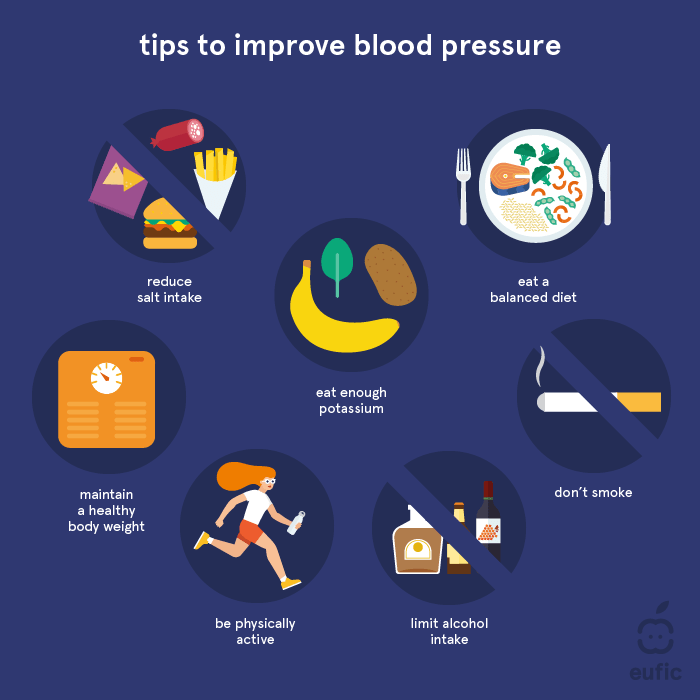
How to promote heart health to support blood pressure, explore various strategies and practices that play a vital role in maintaining cardiovascular wellness and healthy blood pressure levels.
This comprehensive guide delves into the interconnected aspects of heart health, from wellness programs to herbal remedies, skin health, bone density, muscle mass, and more.
Wellness Programs
Wellness programs play a crucial role in promoting heart health and supporting healthy blood pressure levels. These programs are designed to educate individuals on the importance of a healthy lifestyle, including proper nutrition, regular exercise, stress management, and other key factors that contribute to overall well-being.
Examples of Effective Wellness Programs
- Cardiac Rehabilitation Programs: These programs are specifically tailored for individuals recovering from heart-related issues such as heart attacks or heart surgeries. They combine exercise training, education on heart-healthy habits, and emotional support to help patients improve their heart health.
- Workplace Wellness Programs: Many companies offer wellness programs to their employees to promote healthy behaviors and reduce the risk of chronic diseases, including heart conditions. These programs may include fitness challenges, nutrition counseling, and stress management workshops.
- Community-Based Wellness Programs: Community centers, gyms, and healthcare facilities often provide wellness programs to the public. These programs offer a variety of classes and resources to help individuals improve their heart health through physical activity, healthy eating, and lifestyle changes.
Impact of Participation in Wellness Programs
Participating in wellness programs can have a positive impact on overall health and well-being. By engaging in regular physical activity, adopting a nutritious diet, and learning stress management techniques, individuals can reduce their risk of heart disease, lower their blood pressure, and improve their quality of life.
Wellness programs also provide social support and motivation, making it easier for individuals to stick to healthy habits in the long term.
Herbal Remedies
In the realm of heart health and blood pressure management, herbal remedies have gained popularity for their potential benefits. These natural alternatives offer a holistic approach to supporting cardiovascular health, alongside traditional medical treatments. Let’s explore some commonly used herbal remedies and their impact on maintaining healthy blood pressure.
Commonly Used Herbal Remedies
When it comes to herbal remedies for heart health, some popular options include:
- Garlic: Known for its potential to reduce blood pressure and cholesterol levels.
- Hawthorn: Often used to improve circulation and support healthy blood pressure levels.
- Hibiscus: Contains antioxidants that may help lower blood pressure.
- Flaxseed: Rich in omega-3 fatty acids, which can benefit heart health and blood pressure regulation.
These herbal remedies can be incorporated into daily routines through teas, supplements, or as part of a balanced diet.
Benefits of Herbal Remedies
Integrating herbal remedies into a heart-healthy lifestyle offers several advantages, such as:
- Natural approach: Herbal remedies provide a natural alternative to conventional medications, reducing the reliance on synthetic drugs.
- Reduced side effects: Compared to prescription medications, herbal remedies often have fewer adverse effects, making them a gentler option for some individuals.
- Overall wellness: Herbal remedies not only target blood pressure but also promote overall well-being, supporting a holistic approach to heart health.
Potential Risks and Side Effects
While herbal remedies can offer benefits, it’s essential to be aware of potential risks and side effects, including:
- Interaction with medications: Some herbal remedies may interact with prescription drugs, affecting their efficacy or causing adverse reactions.
- Allergic reactions: Individuals with allergies should be cautious when trying new herbal remedies, as they may trigger allergic responses.
- Inconsistent quality: The quality and potency of herbal products can vary, leading to inconsistencies in their effects on blood pressure.
Before incorporating herbal remedies into your heart health regimen, consult with a healthcare provider to ensure they are safe and appropriate for your individual needs.
Skin Health
Skin health is closely linked to heart health, as the skin serves as a reflection of our overall well-being. The condition of our skin can be an indicator of underlying health issues, including those related to the heart. Therefore, maintaining good skin health is essential for supporting overall cardiovascular wellness.
Skincare Practices for Healthy Blood Pressure
Implementing a consistent skincare routine can indirectly support healthy blood pressure by promoting overall well-being. Some skincare practices that can benefit heart health include:
- Moisturizing regularly to maintain skin elasticity and hydration levels, which can contribute to overall health and well-being.
- Protecting the skin from sun damage by using sunscreen daily to reduce the risk of skin cancer and promote overall skin health.
- Eating a balanced diet rich in antioxidants, vitamins, and minerals to nourish the skin and support cardiovascular health.
- Staying hydrated by drinking an adequate amount of water daily to help maintain skin elasticity and support overall health.
Importance of Maintaining Good Skin Health
Good skin health is vital for overall well-being, including heart health. By taking care of our skin, we can indirectly support our cardiovascular system and reduce the risk of heart-related issues. Therefore, incorporating skincare practices into our daily routine is essential for maintaining optimal health and wellness.
Bone Density
Maintaining optimal bone density is crucial for supporting heart health and blood pressure. Strong bones play a significant role in overall cardiovascular wellness as they provide structural support and protection for vital organs. In addition, bone health is closely linked to blood pressure regulation, as weak bones can lead to increased risk of fractures and immobility, which can negatively impact heart health.
Strategies to Improve Bone Density
- Consume an adequate amount of calcium and vitamin D through diet or supplements to support bone strength.
- Engage in weight-bearing exercises such as walking, jogging, or resistance training to promote bone density and overall bone health.
- Avoid smoking and limit alcohol consumption, as these habits can weaken bones and increase the risk of osteoporosis.
- Regularly monitor bone density through screenings and consult with healthcare professionals for personalized recommendations.
Relationship between Bone Health and Cardiovascular Wellness
Maintaining strong bones is essential for cardiovascular health, as bone density impacts overall physical strength and mobility. Weak bones can increase the risk of falls and fractures, leading to sedentary lifestyles and compromised heart function. By prioritizing bone health through proper nutrition, exercise, and lifestyle choices, individuals can support their heart health and blood pressure regulation in the long run.
Muscle Mass
Maintaining muscle mass is crucial for supporting heart health and regulating blood pressure. Strong muscles help improve cardiovascular function, making it easier for the heart to pump blood efficiently throughout the body. In addition, having a higher muscle mass can also help in reducing the risk of developing heart diseases and hypertension.
Exercises to Increase Muscle Mass
- Strength training exercises such as weight lifting, resistance band workouts, and bodyweight exercises like push-ups and squats can help increase muscle mass.
- Incorporating cardio workouts like running, swimming, or cycling can also aid in building lean muscle mass and improving overall cardiovascular health.
- Yoga and Pilates are great for building muscle strength, flexibility, and balance, which are essential for maintaining muscle mass as we age.
Importance of Maintaining Muscle Mass
- Muscle mass plays a key role in burning calories, which can help in managing weight and reducing the risk of obesity-related heart issues.
- Strong muscles support proper posture and joint health, reducing the likelihood of injuries and promoting overall mobility.
- Having a higher muscle mass can enhance insulin sensitivity, lowering the risk of diabetes and metabolic syndrome, which are risk factors for heart disease.
Dental Care
Maintaining good dental health is not only crucial for a bright smile, but it also plays a significant role in supporting heart health. The link between dental care and heart health is often overlooked, but research has shown that poor oral hygiene can lead to inflammation in the gums, which may contribute to cardiovascular issues such as heart disease and high blood pressure.
Tips for Good Oral Hygiene
Proper oral hygiene is essential for overall health, including supporting healthy blood pressure. Here are some tips to maintain good dental care:
- Brush your teeth at least twice a day with fluoride toothpaste.
- Floss daily to remove plaque and food particles between teeth.
- Avoid tobacco products, as they can harm your gums and overall health.
- Limit sugary and acidic foods and drinks that can contribute to tooth decay.
- Visit your dentist regularly for check-ups and professional cleanings.
Importance of Regular Dental Check-ups
Regular dental check-ups are not only important for maintaining a healthy smile, but they also play a crucial role in cardiovascular wellness. Here’s why consistent dental visits are essential:
- Early detection of oral health issues can prevent them from worsening and potentially affecting heart health.
- Dentists can identify signs of gum disease, which has been linked to an increased risk of heart disease and high blood pressure.
- Professional cleanings can remove plaque and tartar buildup, reducing the risk of inflammation and infections that may impact overall health.
Eye Health
Eye health is closely linked to heart health, as both systems rely on a strong network of blood vessels to function properly. The eyes have tiny blood vessels that can be affected by high blood pressure and other cardiovascular issues, making them a good indicator of overall cardiovascular well-being.
Ways to promote good eye health for supporting overall heart health:
- Eat a healthy diet rich in antioxidants like vitamins C and E, zinc, and omega-3 fatty acids to protect your eyes from age-related macular degeneration.
- Maintain a healthy weight to reduce the risk of developing diabetes, which can lead to diabetic retinopathy and other eye conditions.
- Protect your eyes from UV rays by wearing sunglasses and hats when outdoors to prevent cataracts and other eye damage.
- Get regular eye exams to detect any changes in vision and catch eye diseases early on, which can also help identify underlying cardiovascular issues.
Mental Clarity
Mental clarity plays a crucial role in maintaining heart health and regulating blood pressure. When our minds are clear and focused, stress levels are reduced, leading to better cardiovascular function and overall well-being.
Techniques for Enhancing Mental Clarity
- Adequate Sleep: Getting enough quality sleep is essential for cognitive function and mental clarity. Aim for 7-9 hours of sleep each night to support brain health.
- Meditation: Practicing mindfulness meditation can help calm the mind, improve focus, and reduce stress levels, contributing to better mental clarity.
- Regular Exercise: Physical activity releases endorphins, which can boost mood and cognitive function, enhancing mental clarity and overall brain health.
- Healthy Diet: Consuming a balanced diet rich in fruits, vegetables, whole grains, and omega-3 fatty acids can support brain function and mental clarity.
- Stay Hydrated: Dehydration can impair cognitive function and focus. Drink an adequate amount of water throughout the day to maintain mental clarity.
Importance of Mental Well-being for Heart Health
Maintaining mental well-being is crucial for a healthy heart. Chronic stress and anxiety can lead to increased blood pressure, inflammation, and heart disease. By prioritizing mental clarity and emotional balance, individuals can support their cardiovascular health and reduce the risk of heart-related conditions.
Joint Flexibility
Maintaining good joint flexibility is essential for overall heart health. Flexible joints allow for better circulation and blood flow, which can help regulate blood pressure and reduce the risk of cardiovascular issues. Additionally, regular movement and flexibility exercises can improve heart function and reduce the strain on the heart.
Exercises and Stretches for Improved Joint Flexibility
- Yoga: Practicing yoga can help improve joint flexibility, strengthen muscles, and promote relaxation, all of which are beneficial for heart health.
- Stretching: Incorporating daily stretching routines can help increase flexibility, reduce muscle tension, and improve circulation, which in turn supports cardiovascular wellness.
- Walking: Simple activities like walking can help maintain joint flexibility, strengthen the heart, and improve overall cardiovascular health.
Benefits of Good Joint Health for Cardiovascular Wellness
Maintaining good joint health can have a positive impact on heart health by ensuring proper blood flow, reducing inflammation, and supporting overall mobility. Flexible joints can also help prevent injuries and promote an active lifestyle, which is crucial for maintaining cardiovascular wellness.
Digestive Health
Good digestive health plays a crucial role in supporting heart health and maintaining healthy blood pressure levels. The digestive system is responsible for absorbing essential nutrients, eliminating waste, and regulating inflammation in the body, all of which can impact cardiovascular function.
Dietary Recommendations for Good Digestive Health
- Aim to include a variety of fiber-rich foods in your diet, such as fruits, vegetables, whole grains, and legumes. Fiber helps promote healthy digestion and can aid in reducing cholesterol levels, which is beneficial for heart health.
- Probiotic-rich foods like yogurt, kefir, sauerkraut, and kimchi can help maintain a healthy balance of gut bacteria, which is essential for proper digestion and overall well-being.
- Stay hydrated by drinking an adequate amount of water throughout the day. Water helps in the digestion and absorption of nutrients, as well as in the elimination of waste products.
- Avoid or limit the consumption of processed foods, sugary drinks, and high-fat meals, as these can contribute to digestive issues and inflammation in the body.
Importance of a Healthy Digestive System for Heart Health
Maintaining a healthy digestive system is vital for overall heart health as it impacts nutrient absorption, inflammation levels, and gut bacteria balance. An unhealthy gut can lead to systemic inflammation, which is a risk factor for heart disease. By promoting good digestive health through a balanced diet and lifestyle habits, you can support your heart health and help maintain optimal blood pressure levels.
Detox Process
Detoxification plays a crucial role in supporting heart health and regulating blood pressure. By eliminating toxins and waste from the body, detox processes can help reduce inflammation, improve circulation, and support overall cardiovascular wellness.
Methods for Detoxifying the Body
- Stay hydrated by drinking plenty of water throughout the day to flush out toxins.
- Include fiber-rich foods like fruits, vegetables, and whole grains in your diet to aid in digestion and elimination.
- Engage in regular exercise to sweat out toxins and boost circulation.
- Consider incorporating detoxifying herbs and supplements like milk thistle, dandelion, and turmeric into your routine.
Role of Detox Processes in Heart Health
Detox processes help reduce the burden on the heart by supporting the elimination of harmful substances that can contribute to cardiovascular issues. By promoting a clean and efficient internal environment, detoxification can aid in maintaining a healthy heart and regulating blood pressure effectively.
Blood Pressure

Maintaining optimal blood pressure is crucial for heart health as it directly impacts the cardiovascular system. High blood pressure, also known as hypertension, can strain the heart and blood vessels, leading to serious health issues such as heart attacks, strokes, and kidney problems.
On the other hand, low blood pressure, or hypotension, may result in inadequate blood flow to vital organs, causing dizziness, fainting, and other complications.
Measuring and Monitoring Blood Pressure Levels
- Regularly monitor blood pressure using a home blood pressure monitor or by visiting a healthcare professional.
- Measure blood pressure at the same time each day and keep a record to track any fluctuations.
- Understand the ideal blood pressure range (120/80 mmHg) and consult a doctor if readings consistently fall outside this range.
Impact of High or Low Blood Pressure on Cardiovascular Well-being
- High blood pressure can damage the arteries, leading to atherosclerosis and increasing the risk of heart disease.
- Low blood pressure may cause inadequate blood flow to the heart and brain, resulting in symptoms like fatigue, weakness, and fainting.
- Both high and low blood pressure can negatively affect overall cardiovascular health and should be managed effectively.
Heart Rate
Maintaining a healthy heart rate is crucial for overall cardiovascular health. Let’s explore the relationship between heart rate and blood pressure, how monitoring heart rate can help assess cardiovascular health, and the ideal heart rate ranges for a healthy heart.
Relationship between Heart Rate and Blood Pressure
Heart rate and blood pressure are closely related as they both play significant roles in cardiovascular function. The heart rate refers to the number of times the heart beats per minute, while blood pressure is the force of blood against the walls of the arteries.
When the heart beats faster, it can lead to an increase in blood pressure. Monitoring both heart rate and blood pressure is essential for maintaining a healthy cardiovascular system.
Monitoring Heart Rate for Assessing Cardiovascular Health
Monitoring heart rate can provide valuable insights into cardiovascular health. A resting heart rate within the normal range is typically a sign of good cardiovascular fitness. An elevated heart rate at rest may indicate underlying health issues or increased cardiovascular risk.
Regularly checking your heart rate can help you track changes over time and take appropriate actions to maintain a healthy heart.
Ideal Heart Rate Ranges for a Healthy Heart
- Resting Heart Rate: The normal resting heart rate for adults is between 60 to 100 beats per minute. A lower resting heart rate is often associated with better cardiovascular fitness.
- Target Heart Rate Zone: During exercise, the target heart rate zone is usually 50-85% of your maximum heart rate. This range ensures that you are exerting enough effort to improve cardiovascular health without putting excessive strain on your heart.
- Recovery Heart Rate: After exercise, monitoring your heart rate recovery can indicate how quickly your heart rate returns to its resting rate. A faster recovery rate is a positive sign of cardiovascular fitness.
Health Screenings: How To Promote Heart Health To Support Blood Pressure
Regular health screenings play a crucial role in maintaining heart health by allowing for early detection and prevention of potential issues. By monitoring key indicators through these screenings, individuals can take proactive steps to protect their cardiovascular wellness.
Essential Health Screenings for Cardiovascular Wellness
- Blood Pressure Measurement: Regular monitoring of blood pressure levels is essential in assessing heart health and identifying hypertension, a significant risk factor for heart disease.
- Cholesterol Test: Checking cholesterol levels helps in evaluating the risk of developing plaque buildup in the arteries, which can lead to heart attacks and strokes.
- Electrocardiogram (ECG): This test records the electrical activity of the heart and can detect abnormal rhythms or signs of heart disease.
- Stress Test: A stress test evaluates how well your heart functions during physical activity and can reveal underlying heart conditions.
- Cardiac Calcium Scoring: This screening measures the amount of calcium in the coronary arteries, providing insight into the risk of heart disease.
Early Detection and Prevention through Health Screenings
Regular health screenings can help in the early detection of heart-related issues, allowing for timely intervention and preventive measures. By identifying risk factors and abnormalities through these screenings, individuals can work with healthcare providers to implement lifestyle changes, medications, or other interventions to safeguard their heart health.
Vaccination Programs
Vaccination programs play a crucial role in maintaining heart health by helping prevent certain infections that can lead to heart complications. Vaccines are designed to boost the immune system’s ability to fight off harmful pathogens, reducing the risk of conditions like heart disease and stroke.
Benefits of Vaccines for Cardiovascular Wellness
- Vaccines such as the flu shot can help prevent respiratory infections that may strain the heart and lead to cardiovascular issues.
- The pneumonia vaccine can protect against pneumonia, a condition that can cause inflammation in the heart and affect its function.
- Vaccines for diseases like hepatitis B and HPV can prevent infections that may contribute to heart problems in the long term.
Importance of Staying Up to Date with Vaccination Programs
Vaccination programs are essential for overall heart health as they help create a protective shield against infectious diseases that can have a negative impact on cardiovascular wellness. Staying up to date with vaccines ensures that your immune system is primed to defend against these threats, reducing the likelihood of developing heart-related complications.
Healthy Habits
Maintaining healthy habits is crucial for promoting heart health and supporting optimal blood pressure levels. Lifestyle choices play a significant role in cardiovascular wellness, and adopting the right habits can have a positive impact on your heart health. Here are some key healthy habits to consider:
Regular Exercise
Regular physical activity is essential for a healthy heart. Aim for at least 150 minutes of moderate-intensity exercise per week to improve cardiovascular fitness and lower blood pressure.
Healthy Diet
Eating a balanced diet rich in fruits, vegetables, whole grains, lean proteins, and healthy fats can help reduce the risk of heart disease and maintain blood pressure levels within a healthy range.
Stress Management
Chronic stress can contribute to high blood pressure and heart problems. Practice relaxation techniques such as deep breathing, meditation, or yoga to manage stress effectively.
Adequate Sleep
Getting enough quality sleep is crucial for heart health. Aim for 7-9 hours of sleep per night to allow your body to rest and recover.
Avoid Smoking and Limit Alcohol Intake
Smoking can damage your blood vessels and increase the risk of heart disease. Limiting alcohol consumption can also help maintain healthy blood pressure levels.
Regular Health Check-ups
Schedule regular check-ups with your healthcare provider to monitor your blood pressure, cholesterol levels, and overall heart health. Early detection and intervention can prevent heart problems in the future.
Hydration
Staying hydrated is important for heart health. Drink plenty of water throughout the day to help maintain healthy blood pressure levels.
Weight Management
Maintaining a healthy weight through a combination of diet and exercise is essential for heart health. Excess weight can strain your heart and increase the risk of cardiovascular problems.
Balanced Hormones
When it comes to heart health, maintaining balanced hormones is crucial for overall well-being. Hormones play a significant role in regulating various bodily functions, including cardiovascular health.
Importance of Balanced Hormones for Heart Health
Having balanced hormones is essential for optimal heart function. Hormonal imbalances can lead to disruptions in blood pressure regulation and cardiovascular function, increasing the risk of heart disease and other related conditions.
- Ensure adequate sleep: Lack of sleep can disrupt hormone production and balance, impacting heart health.
- Manage stress levels: Chronic stress can lead to hormonal imbalances that affect the heart.
- Healthy diet: Eating a balanced diet rich in nutrients supports hormone production and balance.
- Regular exercise: Physical activity helps regulate hormones and promotes heart health.
Health Coaching
Health coaching plays a vital role in promoting heart health by providing individuals with personalized guidance and support to improve their cardiovascular wellness.
Benefits of Health Coaching for Heart Health
- Health coaches help individuals set realistic goals for improving heart health, such as maintaining a healthy weight, adopting a balanced diet, and incorporating regular physical activity.
- They offer ongoing support and motivation to help individuals stay committed to their heart health goals, making it easier to implement lasting lifestyle changes.
- Health coaches provide education on heart-healthy habits, such as stress management techniques, proper sleep hygiene, and strategies to quit smoking, which can significantly impact cardiovascular wellness.
- By working closely with a health coach, individuals can track their progress, identify potential barriers to success, and make necessary adjustments to optimize their heart health outcomes.
Fitness Goals
Regular physical activity plays a crucial role in promoting heart health. Setting and achieving fitness goals can significantly improve cardiovascular function and overall well-being.
Connection between Fitness Goals and Heart Health
Regular exercise helps strengthen the heart muscle, improve blood circulation, and lower blood pressure. By setting fitness goals that include cardiovascular activities like running, swimming, or cycling, individuals can enhance their heart health and reduce the risk of heart diseases.
Guidance on Setting and Achieving Fitness Goals
- Start by setting specific, measurable, achievable, relevant, and time-bound (SMART) fitness goals.
- Consult with a fitness professional to create a personalized exercise plan tailored to your fitness level and health goals.
- Track your progress regularly and make adjustments to your fitness routine as needed to stay motivated and on track.
Impact of Regular Physical Activity on Heart Health, How to promote heart health to support blood pressure
Regular physical activity not only strengthens the heart but also helps improve cholesterol levels, reduce inflammation, and manage stress levels. By incorporating a mix of aerobic, strength training, and flexibility exercises into your fitness routine, you can support your heart health and overall well-being.
Diet Planning
Proper diet planning is crucial for maintaining heart health and regulating blood pressure. By following a heart-healthy diet, you can significantly reduce the risk of cardiovascular diseases and improve overall well-being. Here are some dietary recommendations and tips for effective meal planning to support your cardiovascular wellness:
Importance of Diet Planning
- Limiting the intake of saturated fats, trans fats, cholesterol, and sodium can help reduce the risk of high blood pressure and heart disease.
- Including a variety of fruits, vegetables, whole grains, lean proteins, and healthy fats in your diet provides essential nutrients for heart health.
- Monitoring portion sizes and balancing your meals to maintain a healthy weight is key to managing blood pressure and overall cardiovascular health.
Dietary Recommendations
- Choose whole grains over refined grains to increase fiber intake and lower cholesterol levels.
- Include sources of omega-3 fatty acids such as fatty fish, flaxseeds, and walnuts to support heart health.
- Opt for lean proteins like poultry, beans, and legumes instead of red meat to reduce saturated fat consumption.
- Limit added sugars and processed foods to prevent weight gain and reduce the risk of hypertension.
Tips for Effective Meal Planning
- Plan your meals in advance to ensure a balanced diet throughout the week.
- Include a variety of colors in your meals by incorporating different fruits and vegetables for a range of nutrients.
- Cook at home more often to have better control over ingredients and cooking methods, reducing the intake of unhealthy fats and sodium.
- Stay hydrated by drinking plenty of water and limiting sugary beverages to support heart health and blood pressure regulation.
Health Supplements
Health supplements play a crucial role in promoting heart health by providing essential nutrients that may be lacking in our diets. They can help support overall cardiovascular function and maintain healthy blood pressure levels.
Beneficial Supplements for Maintaining Healthy Blood Pressure
- Omega-3 fatty acids: Found in fish oil supplements, omega-3s can help reduce inflammation and support heart health.
- Coenzyme Q10 (CoQ10): This antioxidant can help lower blood pressure and improve heart function.
- Magnesium: Magnesium supplements can help relax blood vessels and improve blood flow, thus supporting healthy blood pressure.
Guidance on Choosing and Incorporating Health Supplements for Cardiovascular Support
- Consult with a healthcare provider: Before starting any new supplement regimen, it’s important to consult with a healthcare provider to ensure they are safe and appropriate for you.
- Quality matters: Choose supplements from reputable brands that undergo third-party testing to ensure purity and potency.
- Follow dosage instructions: Always follow the recommended dosage on the supplement label to avoid any potential side effects.
- Combine with a healthy lifestyle: Supplements work best when combined with a balanced diet, regular exercise, and other heart-healthy habits.
Breathing Techniques
Breathing techniques play a crucial role in supporting heart health and regulating blood pressure. Proper breathing can help in reducing stress, improving oxygen flow, and promoting relaxation, all of which are beneficial for cardiovascular well-being.
Impact of Breathing Techniques
- Deep breathing exercises can help lower blood pressure by promoting relaxation and reducing stress levels.
- Practicing mindful breathing techniques can improve oxygen circulation in the body, which is essential for heart health.
- Controlled breathing can help regulate heart rate, contributing to overall cardiovascular well-being.
Different Breathing Exercises
- Belly breathing: Inhale deeply through your nose, allowing your abdomen to expand. Exhale slowly through your mouth, contracting your abdominal muscles.
- 4-7-8 breathing: Inhale for a count of 4, hold your breath for a count of 7, and exhale for a count of 8. Repeat this cycle several times.
- Nadi Shodhana (alternate nostril breathing): Close one nostril with your thumb and inhale through the other nostril. Then, close the other nostril with your finger, exhale through the first nostril, and repeat on the other side.
Importance of Proper Breathing
- Proper breathing ensures adequate oxygen supply to the heart and other organs, supporting their optimal functioning.
- Deep breathing can help reduce the workload on the heart, leading to lower blood pressure and improved cardiovascular health.
- Regular practice of breathing exercises can enhance lung capacity, improve circulation, and promote overall well-being.
Disease Prevention
Disease prevention plays a crucial role in maintaining heart health as it helps in reducing the risk of developing conditions that can negatively impact cardiovascular wellness. By taking proactive steps to prevent diseases, individuals can support their overall heart health and promote longevity.
Common Diseases affecting Cardiovascular Wellness
- Coronary Artery Disease: A condition where plaque builds up in the arteries, restricting blood flow to the heart.
- Hypertension: High blood pressure can strain the heart and lead to serious health complications.
- Heart Failure: When the heart is unable to pump enough blood to meet the body’s needs.
- Stroke: A sudden interruption in blood supply to the brain, often caused by a blood clot or burst blood vessel.
- Peripheral Artery Disease: Narrowing of the arteries in the legs, arms, stomach, or head, reducing blood flow.
Strategies for Preventing Diseases to Support Heart Health
- Maintain a healthy diet rich in fruits, vegetables, whole grains, and lean proteins to support heart health.
- Engage in regular physical activity to strengthen the heart and improve circulation.
- Avoid smoking and limit alcohol consumption to reduce the risk of heart disease.
- Manage stress through relaxation techniques like meditation, yoga, or deep breathing exercises.
- Get regular health screenings to monitor blood pressure, cholesterol levels, and overall heart health.
Pain Management
Pain management plays a crucial role in maintaining heart health as chronic pain can lead to increased stress on the cardiovascular system. Effective pain management techniques not only alleviate discomfort but also contribute to a healthier heart by reducing the body’s overall stress levels.
Connection between Pain Management and Heart Health
- Chronic pain can lead to increased levels of stress hormones in the body, which can negatively impact heart health over time.
- Managing pain effectively can help reduce inflammation, which is a common contributor to heart disease.
- By addressing pain promptly, individuals can prevent the development of unhealthy coping mechanisms such as overeating or excessive alcohol consumption, which can further strain the heart.
Methods for Managing Pain Beneficial for Cardiovascular Function
- Regular exercise and physical therapy can help alleviate pain while also promoting heart health through improved circulation and overall cardiovascular function.
- Practicing stress-reducing techniques such as meditation, deep breathing exercises, or yoga can help lower overall stress levels and reduce the impact of pain on the heart.
- Using non-pharmacological methods like acupuncture, massage therapy, or chiropractic care can provide effective pain relief without the potential negative side effects of medication on heart health.
Importance of Effective Pain Management for Heart Health
- Effective pain management can help individuals maintain a more active lifestyle, which is crucial for heart health and overall well-being.
- By addressing pain promptly and effectively, individuals can prevent the development of chronic conditions that may put additional strain on the heart.
- Reducing overall pain levels can lead to better quality of sleep, reduced stress, and improved mental health, all of which contribute to a healthier heart.
Holistic Treatments
Holistic treatments focus on treating the whole person, including physical, mental, and emotional aspects, to promote overall well-being. When it comes to heart health and blood pressure regulation, holistic approaches can offer a range of benefits by addressing underlying imbalances and supporting the body’s natural healing processes.
Benefits of Holistic Treatments
- Supporting overall cardiovascular wellness
- Promoting relaxation and stress reduction, which can help lower blood pressure
- Improving circulation and blood flow to the heart
- Enhancing the body’s ability to heal and repair damaged tissues
Examples of Holistic Approaches
- Acupuncture: Stimulates specific points on the body to improve circulation and reduce stress.
- Yoga and meditation: Promote relaxation, reduce blood pressure, and improve heart health through breathing exercises and mindfulness.
- Herbal remedies: Natural supplements like hawthorn, garlic, and turmeric can support heart health and blood pressure regulation.
Holistic Philosophy for Heart Health
Holistic philosophy emphasizes the interconnectedness of the body, mind, and spirit in achieving optimal health. By addressing lifestyle factors, emotional well-being, and physical health together, holistic treatments aim to create a balanced and harmonious state that supports heart health in a comprehensive way.
Mental Resilience
Mental resilience plays a crucial role in supporting heart health. The ability to bounce back from stress, challenges, and setbacks can have a significant impact on cardiovascular well-being. Here, we will explore the importance of mental resilience and strategies to enhance it for better heart health.
Importance of Mental Resilience
Mental resilience is essential for maintaining a healthy heart. When faced with stress or adversity, individuals with high levels of resilience are better equipped to cope and adapt, reducing the negative impact on their cardiovascular system. Studies have shown that resilient individuals have lower rates of heart disease and are more likely to engage in heart-healthy behaviors.
Strategies for Building Mental Resilience
- Practice mindfulness and meditation to cultivate a sense of calm and focus.
- Develop a strong support network of friends and family for emotional backing.
- Engage in regular physical activity to release stress and boost mood.
- Set realistic goals and break them down into manageable steps for a sense of accomplishment.
- Practice positive self-talk and challenge negative thought patterns.
Impact of a Resilient Mindset on Heart Health
A resilient mindset can have a profound impact on overall heart health. By reducing the harmful effects of stress and promoting healthy coping mechanisms, mental resilience contributes to lower blood pressure, reduced inflammation, and improved heart function. Individuals with high levels of resilience are also more likely to adhere to heart-healthy habits and seek medical help when needed, leading to better cardiovascular outcomes.
Last Word
By incorporating these tips and practices into your lifestyle, you can take proactive steps towards enhancing your heart health and supporting optimal blood pressure levels. Remember, a healthy heart leads to a healthier life overall.
FAQ Section
Can herbal remedies alone help maintain healthy blood pressure?
While herbal remedies can be beneficial, it’s important to combine them with other healthy lifestyle practices for optimal results.
How often should I participate in wellness programs to see improvements in heart health?
Consistency is key, aim for regular participation in wellness programs to experience lasting benefits for your heart health.
Is there a connection between dental care and heart health?
Absolutely, maintaining good oral hygiene can positively impact your heart health and overall well-being.


