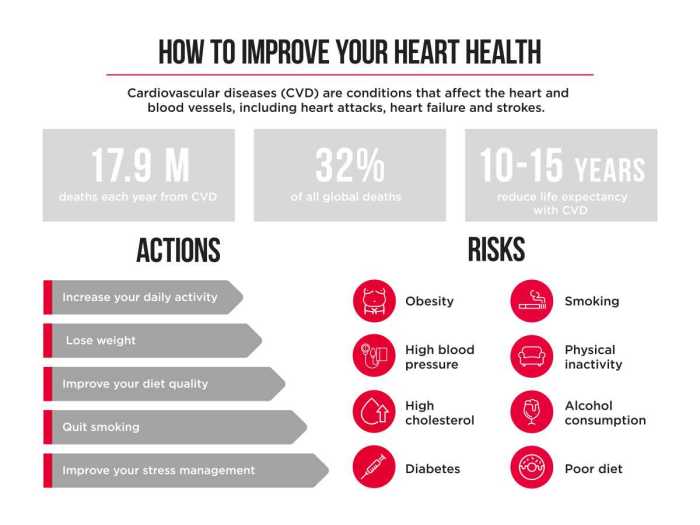
How to support heart rate health with lifestyle changes begins a journey towards a healthier heart, exploring various aspects of wellness that can positively impact heart rate and overall well-being.
From the importance of exercise and nutrition to the benefits of mindfulness and herbal remedies, this guide offers valuable insights on maintaining a healthy heart rate through simple lifestyle changes.
Lifestyle Changes to Support Heart Rate Health
Regular exercise plays a crucial role in supporting heart rate health. Engaging in physical activity helps strengthen the heart muscle, improve circulation, and regulate heart rate over time.
Impact of Regular Exercise
- Exercise helps reduce the risk of heart disease by lowering blood pressure and cholesterol levels.
- Cardiovascular workouts like running, swimming, or cycling can improve heart rate variability, a key indicator of heart health.
- Strength training exercises can also benefit heart rate health by enhancing overall fitness and reducing the workload on the heart.
Importance of a Balanced Diet
- A balanced diet rich in fruits, vegetables, whole grains, lean proteins, and healthy fats supports heart rate health.
- Avoiding excess salt, sugar, and saturated fats can help maintain a healthy weight and prevent heart-related issues.
- Eating foods high in omega-3 fatty acids, like salmon and walnuts, can reduce inflammation and support cardiovascular health.
Role of Stress Management
- Chronic stress can negatively impact heart rate and overall cardiovascular function.
- Practicing relaxation techniques such as deep breathing, meditation, or yoga can help lower stress levels and improve heart rate variability.
- Engaging in hobbies, spending time with loved ones, and seeking professional help if needed are all important aspects of stress management for heart health.
Adequate Sleep for Heart Rate Health
- Getting enough quality sleep is essential for heart rate regulation and overall cardiovascular well-being.
- Poor sleep habits can lead to increased heart rate, higher blood pressure, and a greater risk of heart disease.
- Establishing a bedtime routine, creating a comfortable sleep environment, and prioritizing restful sleep can all contribute to a healthy heart rate.
Wellness Programs and Heart Rate Health
Participating in wellness programs can have a positive impact on heart rate health by promoting overall well-being and reducing stress levels.
Benefits of Wellness Programs
- Regular exercise routines can help improve cardiovascular health and regulate heart rate.
- Healthy eating habits can lower the risk of heart disease and support optimal heart function.
- Stress management techniques like yoga and tai chi can help reduce anxiety and lower heart rate variability.
Mindfulness and Meditation Programs
Mindfulness and meditation programs focus on calming the mind, reducing stress, and promoting relaxation, which can help regulate heart rate and improve overall heart health.
Examples of Wellness Activities
- Cardiovascular exercises such as running, swimming, or cycling can strengthen the heart muscle and improve heart rate.
- Strength training exercises like weightlifting or resistance training can enhance heart function and circulation.
- Group fitness classes, such as dance or aerobics, can provide social support and motivation for maintaining a healthy lifestyle.
Social Support Programs, How to support heart rate health with lifestyle changes
Engaging in social support programs, such as group therapy sessions or community wellness events, can positively impact heart rate health by reducing feelings of isolation and promoting a sense of belonging and connection.
Herbal Remedies for Heart Rate Health: How To Support Heart Rate Health With Lifestyle Changes
When it comes to supporting heart rate health, herbal remedies have been used for centuries to promote cardiovascular wellness. Incorporating herbal supplements into your routine can offer potential benefits in managing heart rate and overall heart health. However, it is important to be aware of precautions and considerations when using herbal remedies to ensure safety and effectiveness.
Identified Herbal Remedies for Heart Rate Health
- Hawthorn: Known for its cardiovascular benefits, hawthorn can help regulate heart rate and improve circulation.
- Garlic: Garlic has been shown to support heart health by reducing blood pressure and cholesterol levels, which can indirectly help in maintaining a steady heart rate.
- Ginger: With its anti-inflammatory properties, ginger can aid in reducing inflammation in the cardiovascular system, potentially supporting heart rate stability.
Benefits of Herbal Supplements in Heart Rate Management
- Natural approach: Herbal remedies offer a natural alternative to pharmaceutical medications for heart health, with potentially fewer side effects.
- Antioxidant properties: Many herbs used for heart rate health are rich in antioxidants, which can protect the heart from oxidative stress and damage.
- Potential symptom relief: Some herbal supplements may help alleviate symptoms associated with heart rate irregularities, such as palpitations or chest discomfort.
Precautions and Considerations when Using Herbal Remedies
- Consult a healthcare provider: Before starting any herbal supplement regimen, it is important to seek advice from a healthcare professional, especially if you have preexisting medical conditions or are taking medications.
- Quality and purity: Ensure that the herbal supplements you choose are of high quality, pure, and free from contaminants to maximize their effectiveness and safety.
- Potential interactions: Herbal remedies can interact with medications, so it is crucial to be aware of any possible drug interactions when using herbal supplements for heart rate health.
Effectiveness of Herbal Teas in Maintaining a Steady Heart Rate
Herbal teas, such as hibiscus, green tea, and chamomile, are known for their calming and heart-healthy properties. They can help promote relaxation, reduce stress, and potentially contribute to maintaining a steady heart rate. However, it is essential to consume herbal teas in moderation and be mindful of any potential allergens or sensitivities.
Fitness Goals and Heart Rate Health
Regular physical activity plays a crucial role in maintaining a healthy heart rate. Setting fitness goals can help improve heart rate health by providing motivation and structure to your exercise routine. By incorporating targeted fitness routines, you can effectively regulate your heart rate and optimize your overall cardiovascular health.
Importance of Regular Physical Activity
Regular physical activity not only strengthens the heart muscle but also improves circulation, lowers blood pressure, and reduces the risk of heart disease. It is essential for maintaining a healthy heart rate and overall well-being.
- Engage in aerobic exercises such as running, cycling, swimming, or brisk walking to elevate your heart rate and improve cardiovascular fitness.
- Incorporate strength training exercises to build muscle and support your cardiovascular system.
- Participate in flexibility and balance exercises to enhance overall physical fitness and reduce the risk of injury.
Monitoring Heart Rate During Exercise
Monitoring your heart rate during exercise is crucial to ensure you are working out at an intensity that is beneficial for your heart health. Utilize tools such as heart rate monitors or fitness trackers to track your heart rate and adjust your workout intensity accordingly.
Aim to maintain your heart rate within your target zone to maximize the health benefits of your exercise routine.
Remember to consult with a healthcare professional before starting any new fitness program, especially if you have existing heart conditions or health concerns.
Diet Planning for Heart Rate Health
When it comes to supporting a healthy heart rate, nutrition plays a crucial role in maintaining overall cardiovascular health. A well-balanced diet can help improve heart rate regulation and promote overall well-being.
Heart-Healthy Diet Plan
A heart-healthy diet plan typically includes a variety of nutrient-rich foods that are low in saturated fats, cholesterol, and sodium. Emphasizing fruits, vegetables, whole grains, lean proteins, and healthy fats can help support heart rate health.
- Include plenty of fruits and vegetables in your meals to provide essential vitamins, minerals, and antioxidants that support heart health.
- Choose whole grains like brown rice, quinoa, and oats over refined grains to increase fiber intake and improve heart function.
- Opt for lean proteins such as poultry, fish, beans, and legumes to reduce saturated fat intake and support muscle function.
- Incorporate healthy fats from sources like nuts, seeds, and olive oil to help reduce inflammation and support heart health.
Impact of Hydration on Heart Rate Regulation
Proper hydration is essential for maintaining optimal heart rate regulation. Dehydration can lead to an increased heart rate as the heart works harder to pump blood throughout the body. Staying hydrated by drinking an adequate amount of water throughout the day can help support heart rate health.
Recipes for Heart Rate Health
Here are some heart-healthy recipes and meal ideas that can promote heart rate health:
- Grilled salmon with quinoa and roasted vegetables: This dish is rich in omega-3 fatty acids, protein, and fiber, which can help support heart health.
- Spinach and berry smoothie: Packed with antioxidants, vitamins, and minerals, this smoothie is a refreshing and heart-healthy option for a quick meal or snack.
- Vegetable stir-fry with tofu: Loaded with vegetables, lean protein, and fiber, this stir-fry is a nutritious and delicious way to support heart rate health.
Breathing Techniques and Heart Rate Health
Breathing techniques play a crucial role in managing heart rate and promoting overall heart health. By practicing specific deep breathing exercises, individuals can effectively regulate their heart rate and reduce stress levels, leading to improved cardiovascular function.
Benefits of Deep Breathing Exercises for Heart Rate Regulation
- Deep breathing exercises help activate the parasympathetic nervous system, which promotes relaxation and reduces heart rate.
- Improved oxygen intake during deep breathing can help lower blood pressure and enhance circulation, benefiting heart health.
- Regular deep breathing can reduce the risk of cardiovascular diseases by improving heart rate variability and overall cardiac function.
Practicing Breathing Exercises for Heart Rate Health
- Find a quiet and comfortable place to sit or lie down.
- Place one hand on your chest and the other on your abdomen to feel the movement of your breath.
- Inhale deeply through your nose, expanding your abdomen as you breathe in.
- Exhale slowly through your mouth, feeling your abdomen contract as you breathe out.
- Repeat this deep breathing pattern for several minutes, focusing on the rhythm of your breath.
Incorporating Mindful Breathing into Daily Routines
- Start your day with a few minutes of mindful breathing to set a positive tone for the day ahead.
- Practice deep breathing exercises during stressful moments to calm your mind and regulate your heart rate.
- Incorporate mindful breathing into your workout routine to enhance cardiovascular endurance and performance.
- End your day with a relaxation session, focusing on deep breathing to unwind and promote restful sleep.
Epilogue
As we conclude our discussion on how to support heart rate health with lifestyle changes, remember that small changes in daily habits can lead to significant improvements in heart health. By incorporating these tips and tricks into your routine, you can take proactive steps towards a healthier heart and overall well-being.
Common Queries
How often should I exercise to support heart rate health?
It is recommended to engage in at least 150 minutes of moderate-intensity exercise per week to maintain a healthy heart rate.
Are there any specific foods that can help improve heart rate health?
Foods rich in omega-3 fatty acids, such as salmon and nuts, are known to support heart health and can positively impact heart rate.
Can herbal teas really help in maintaining a steady heart rate?
Yes, certain herbal teas like hibiscus tea have been shown to have beneficial effects on heart health and can contribute to maintaining a steady heart rate.


